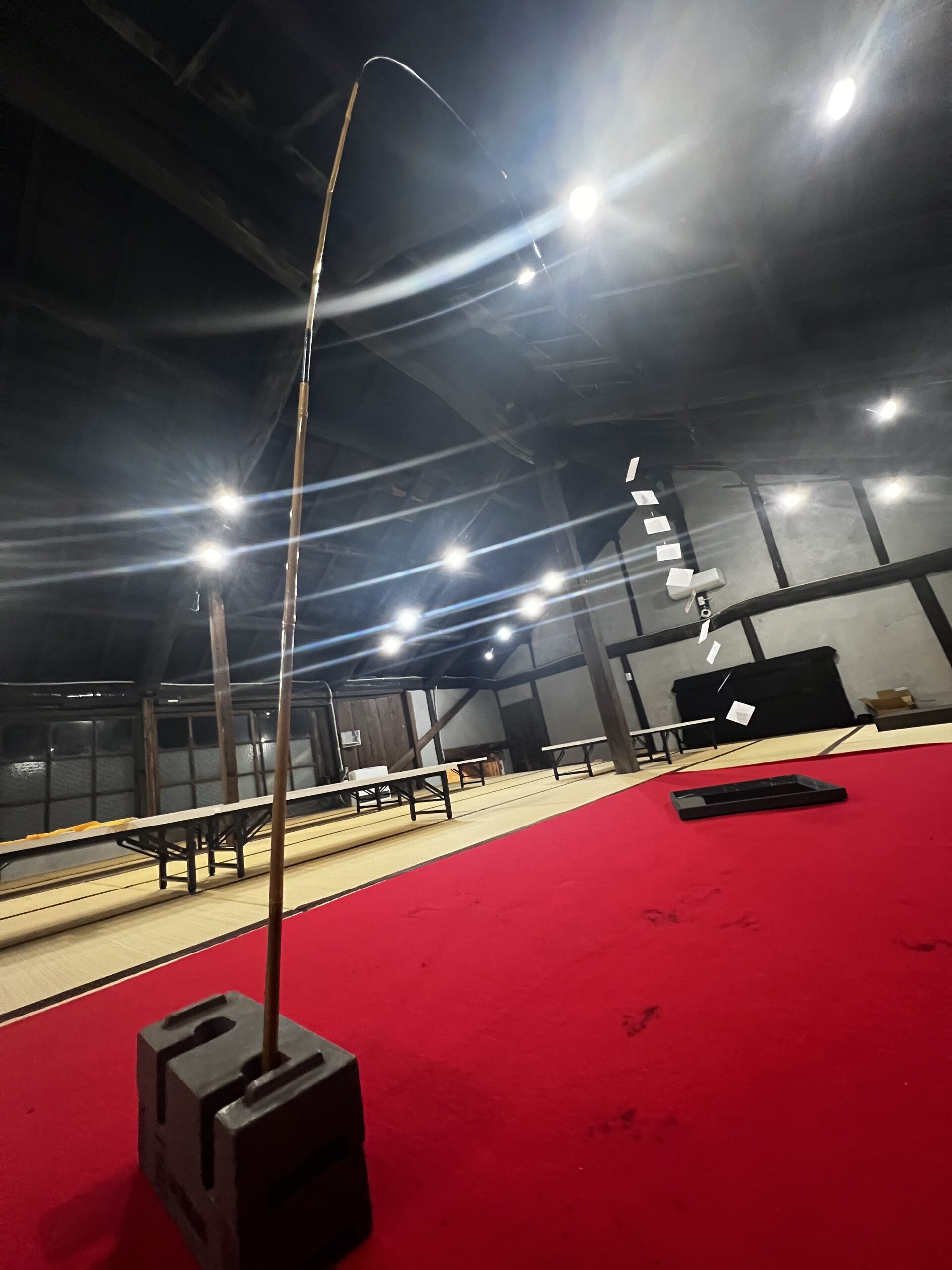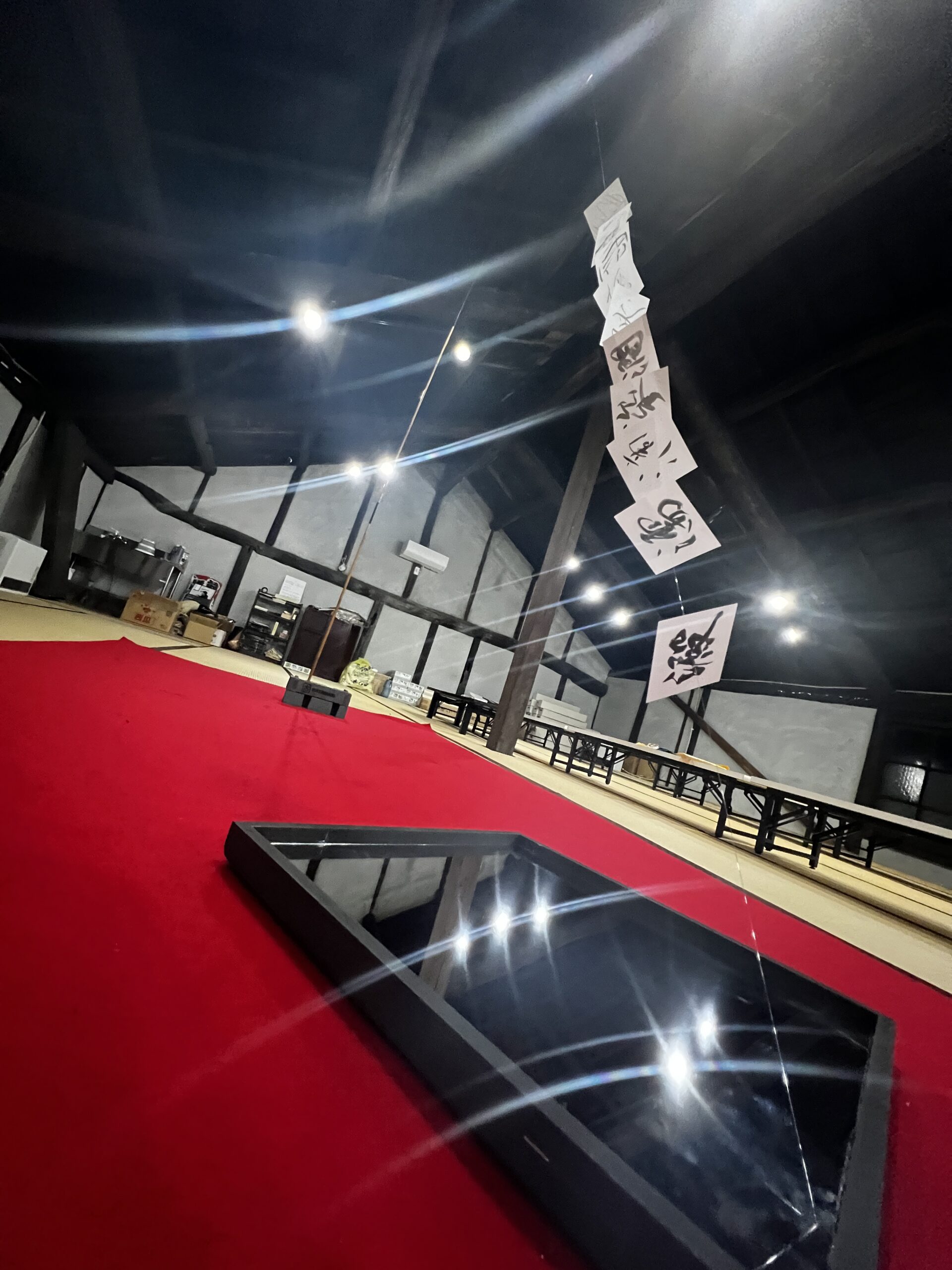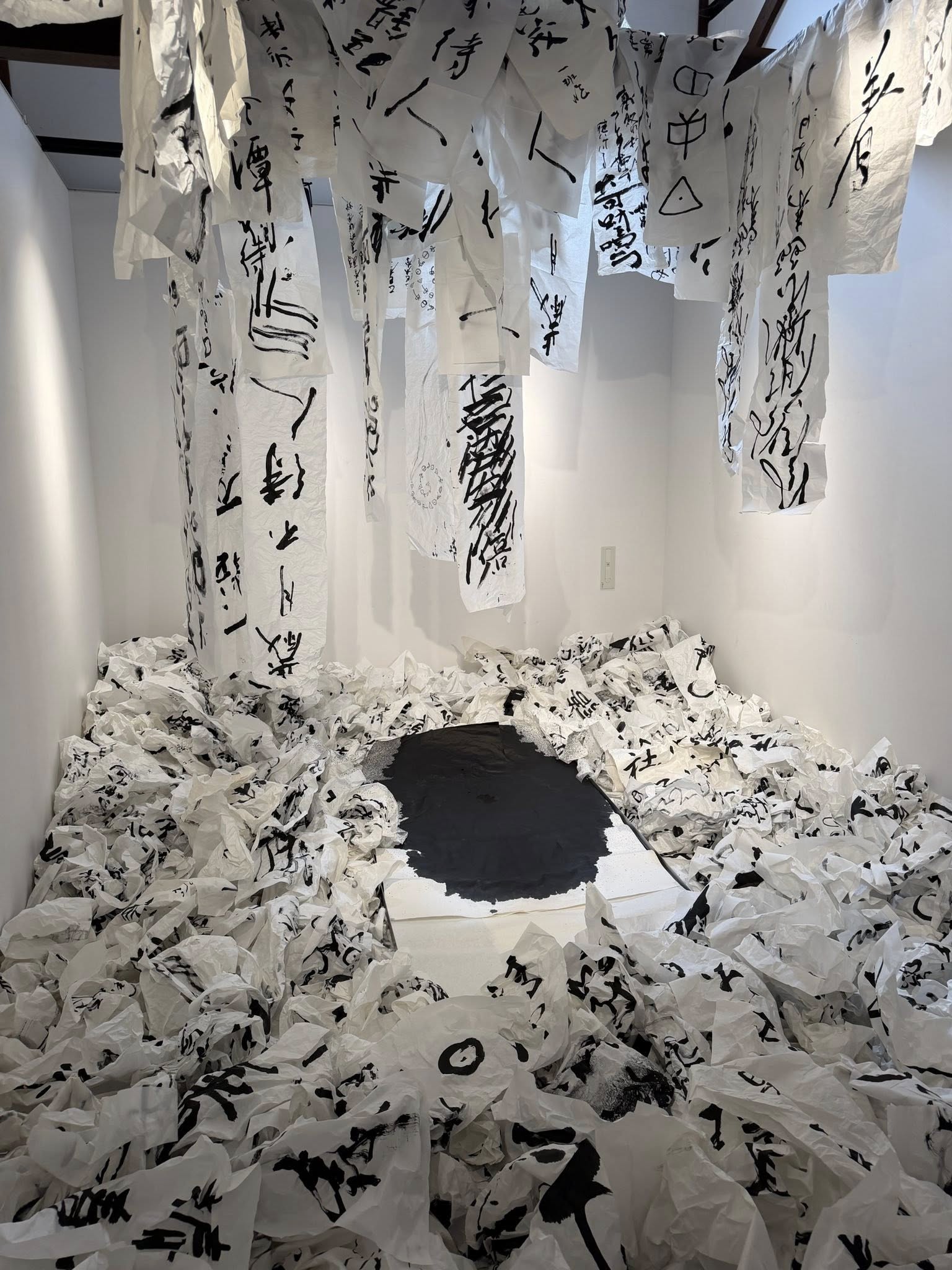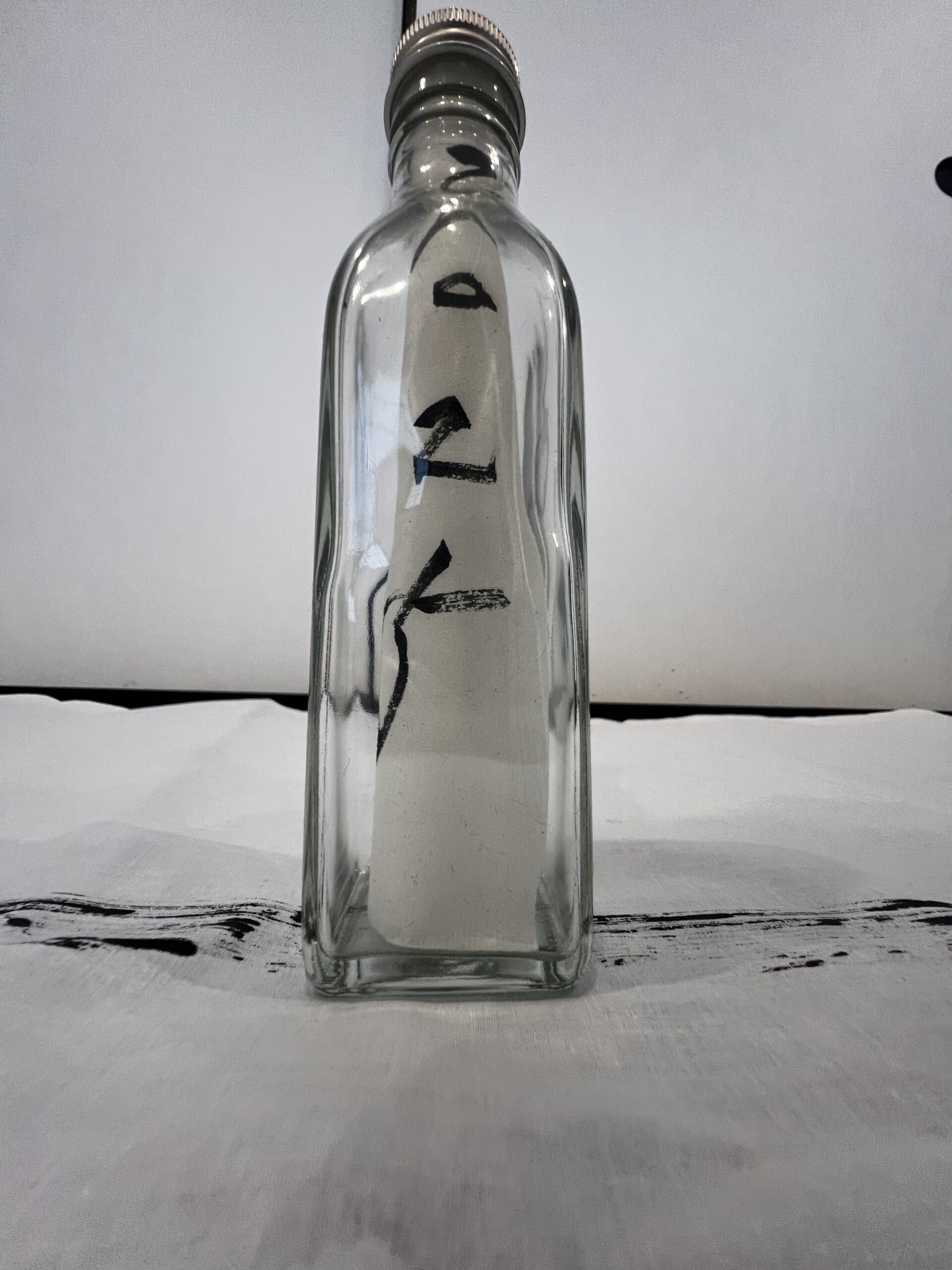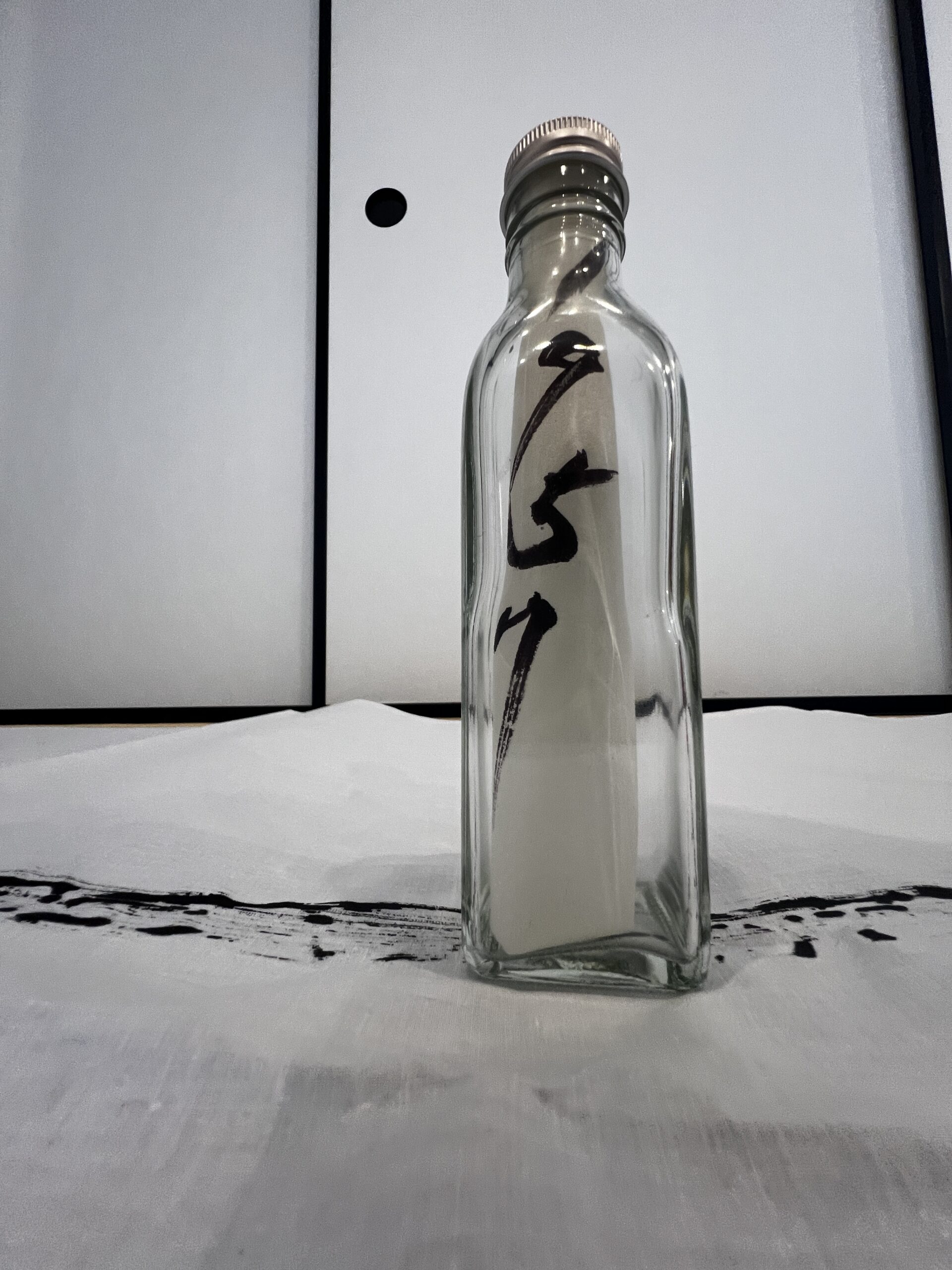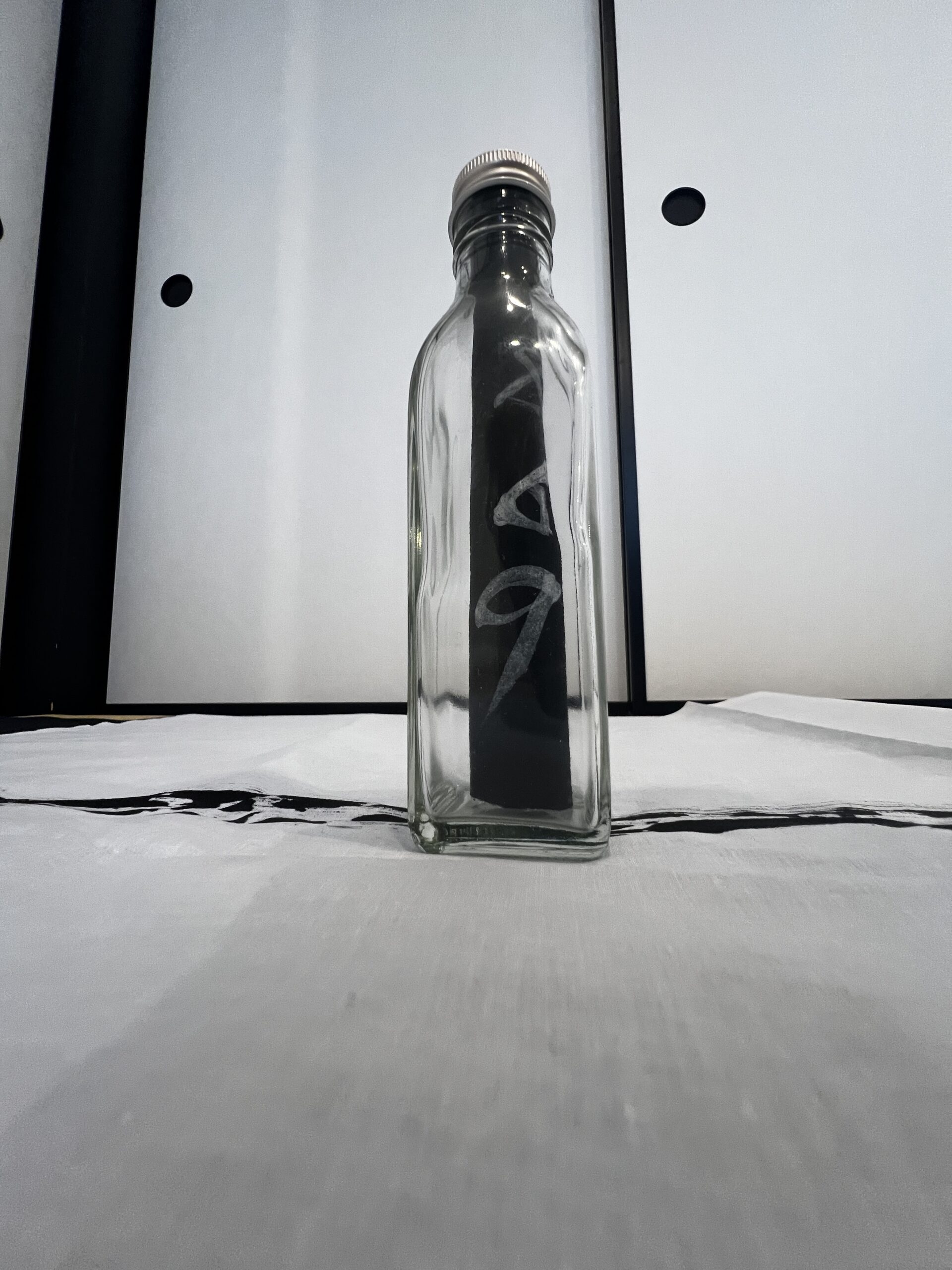
represent japan tugumi2026
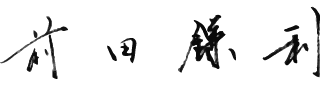
Kamari Maeda: Represent Japan TUGUMI—All Videos from the “GRANICA” Performance in Africa Now Available!
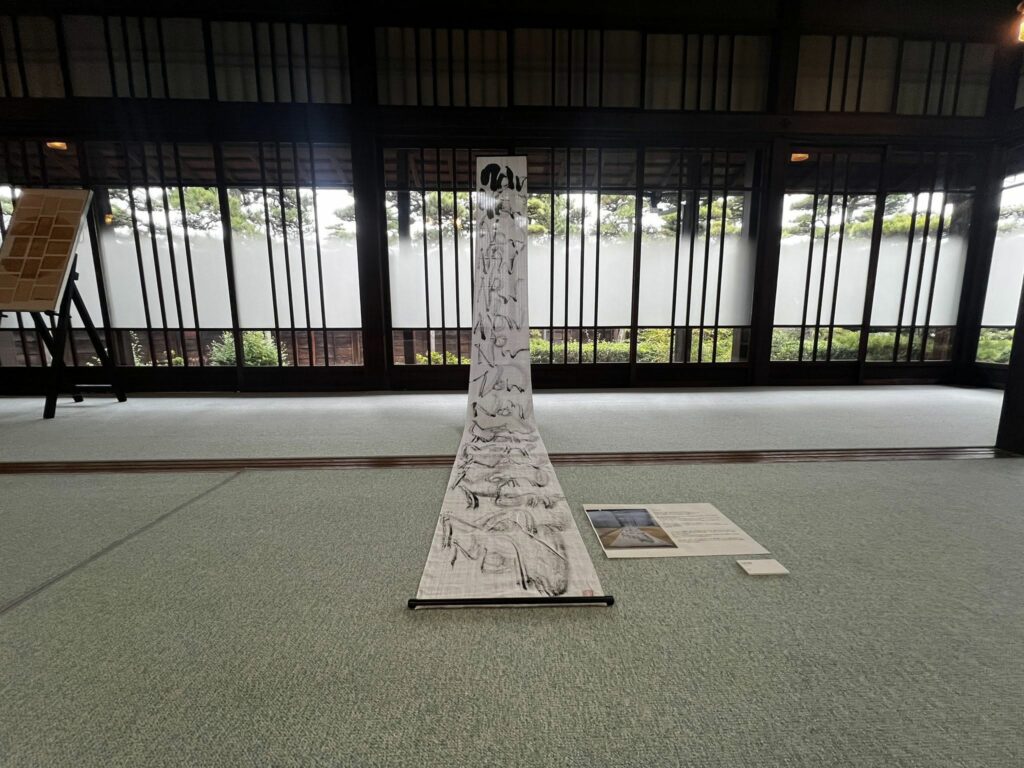
We have released valuable video footage from the “Represent Japan TUGUMI” calligraphy performance and cultural exchange project, which took place from September 19 to October 5, 2026, in four African countries (Tanzania, South Africa, Namibia, and Angola), on Kamari Maeda’s official website and YouTube channel.
With the cooperation and support of many stakeholders, including the embassies of each country in Japan, “Represent Japan TUGUMI” held performances and the live performance “GRANICA” at various venues, including museums, art galleries, universities, schools, and international events.
Through these videos, we present the moving moments captured on film as we wrote each stroke with heartfelt emotion—inspired by encounters with the local history, culture, and people of the African continent.
〈RECOMMEND〉
・Calligraphy performance and workshop at the Tanzania National Museum. Creation of works centered on the Swahili phrase “Tuko pamoja” (Living Together)
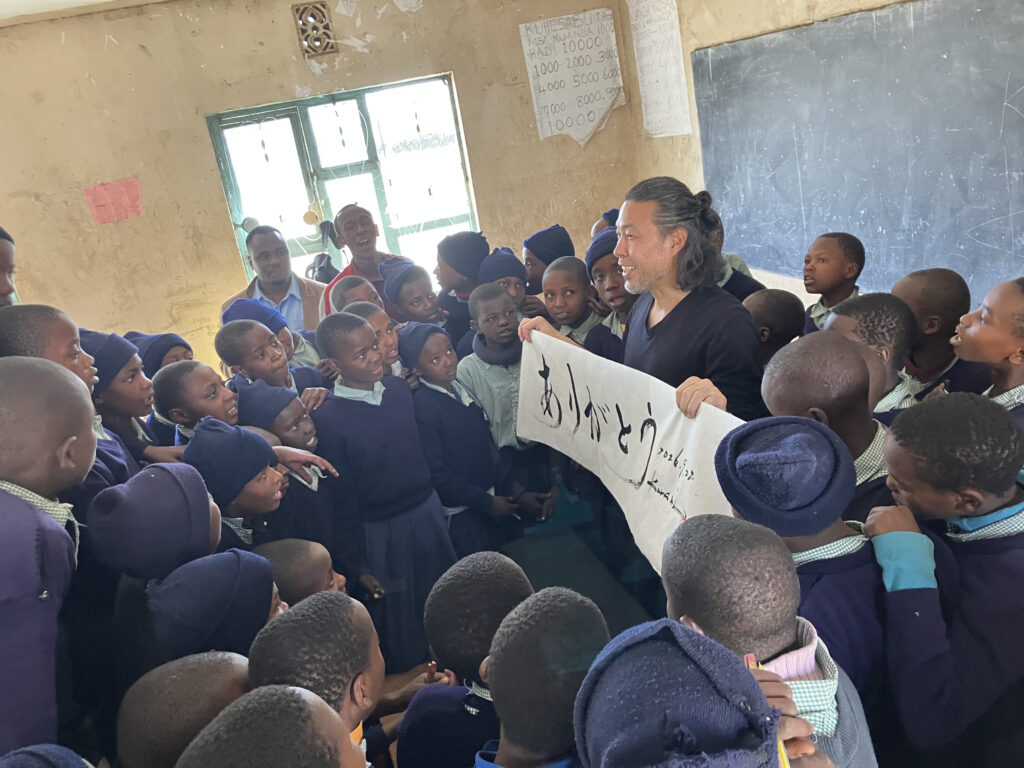
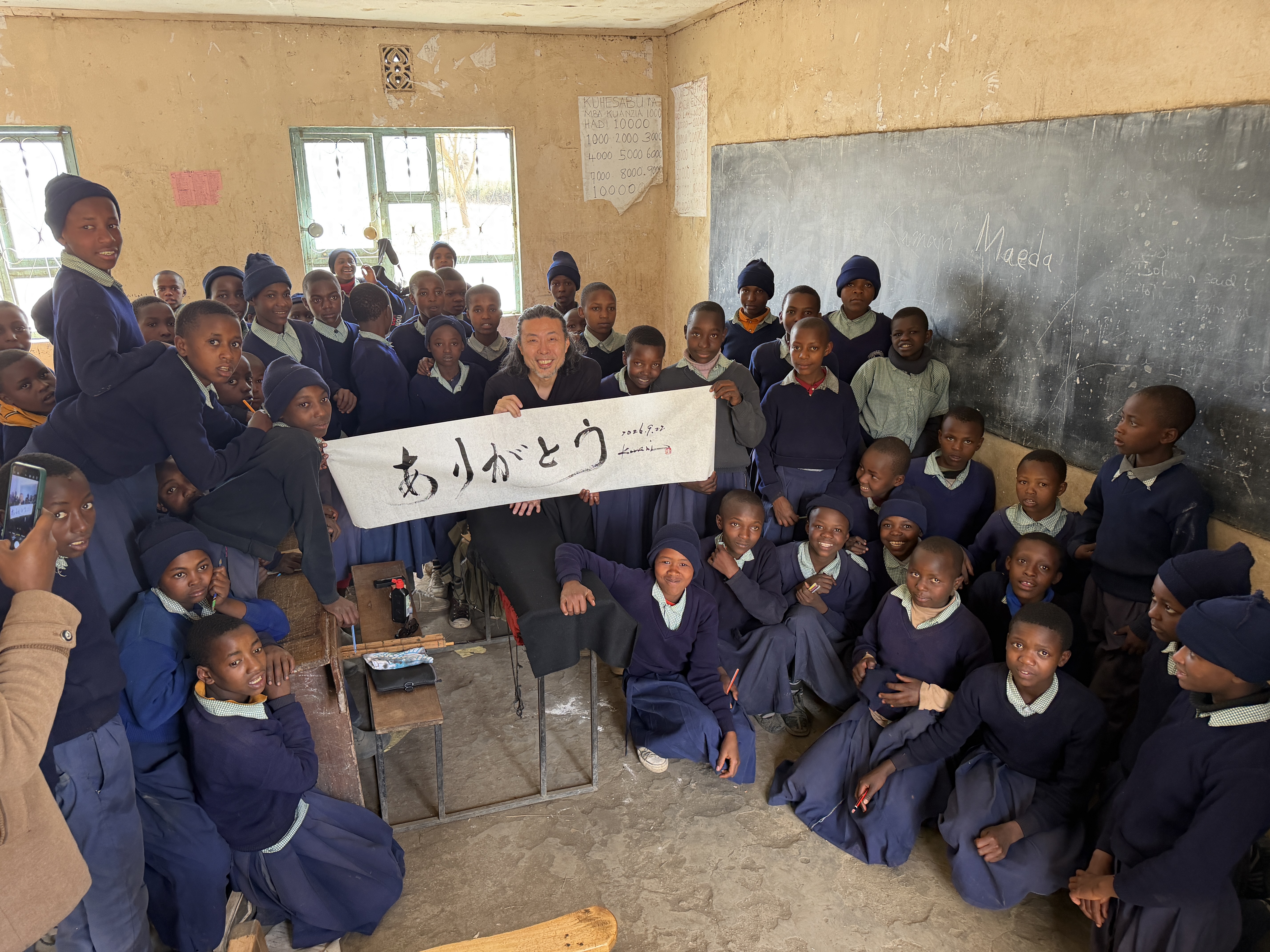
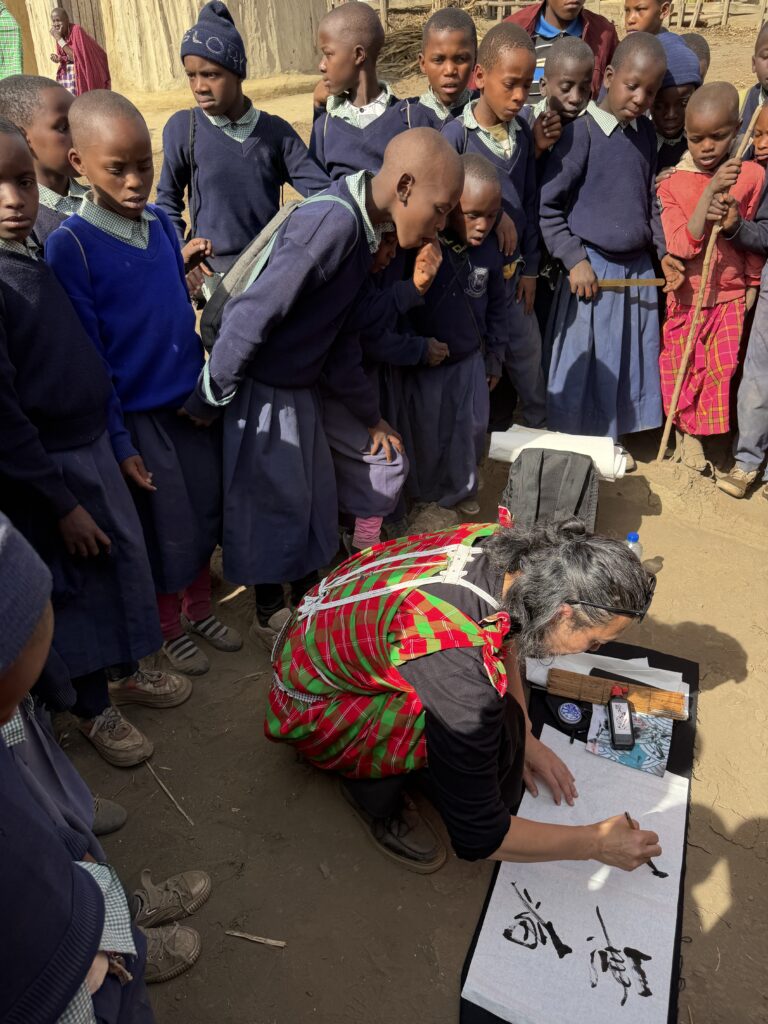
・Interaction with children at a Maasai elementary school. Cultural exchange through Japanese greetings and calligraphy pieces featuring the word “thank you”
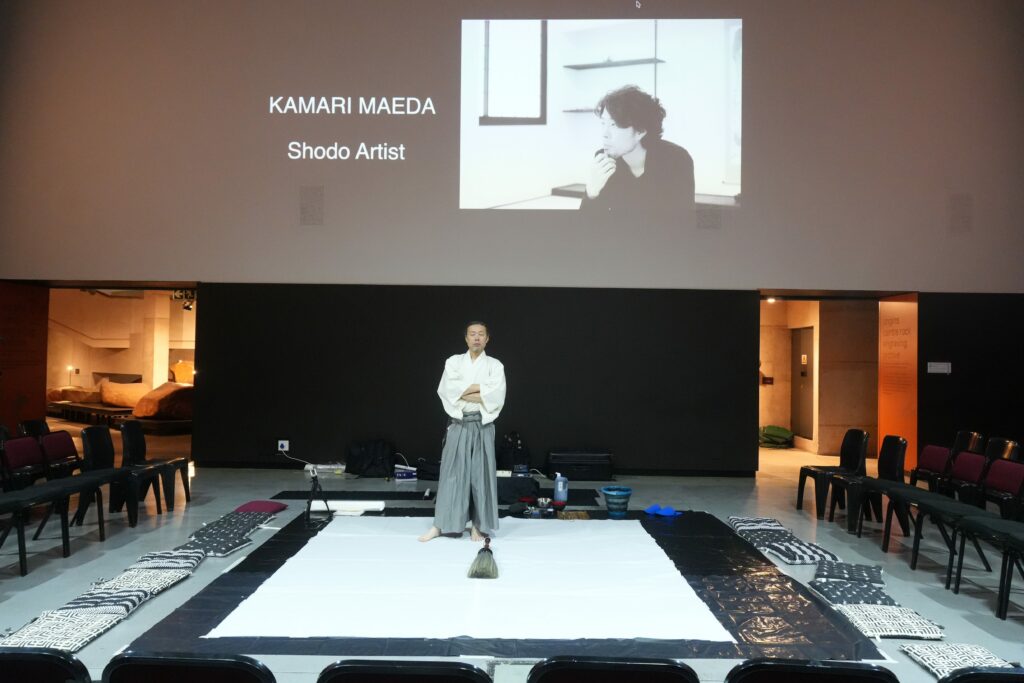
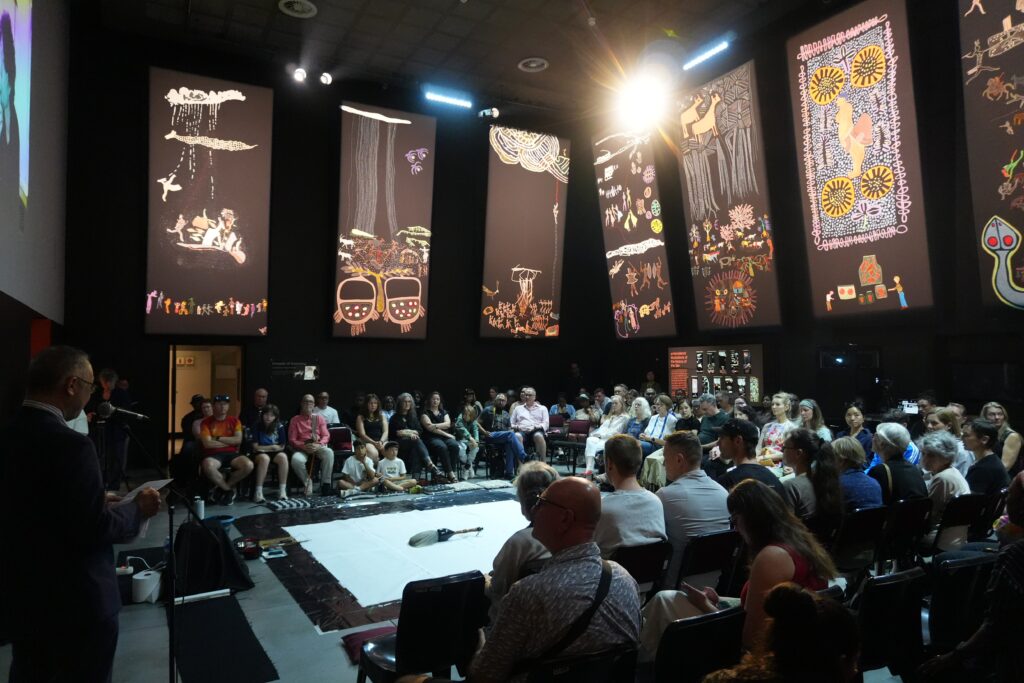
・Performance at the ORIGINS CENTRE at WITS University in South Africa, focusing on the origins of humankind and the connections between Japan and Africa
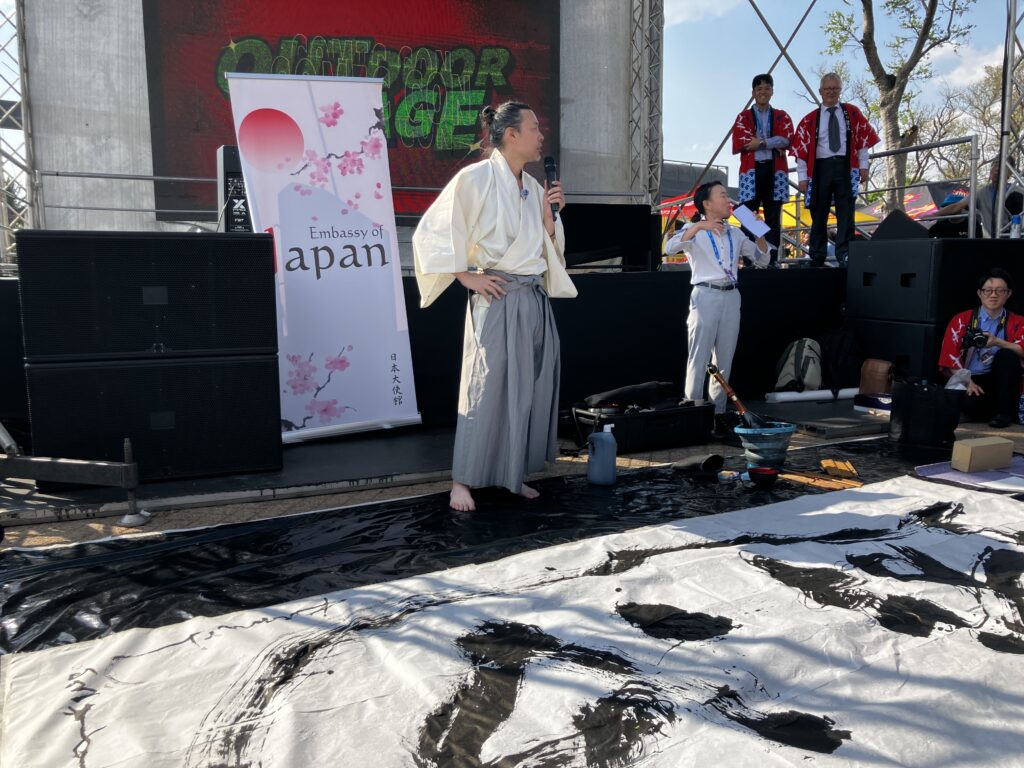
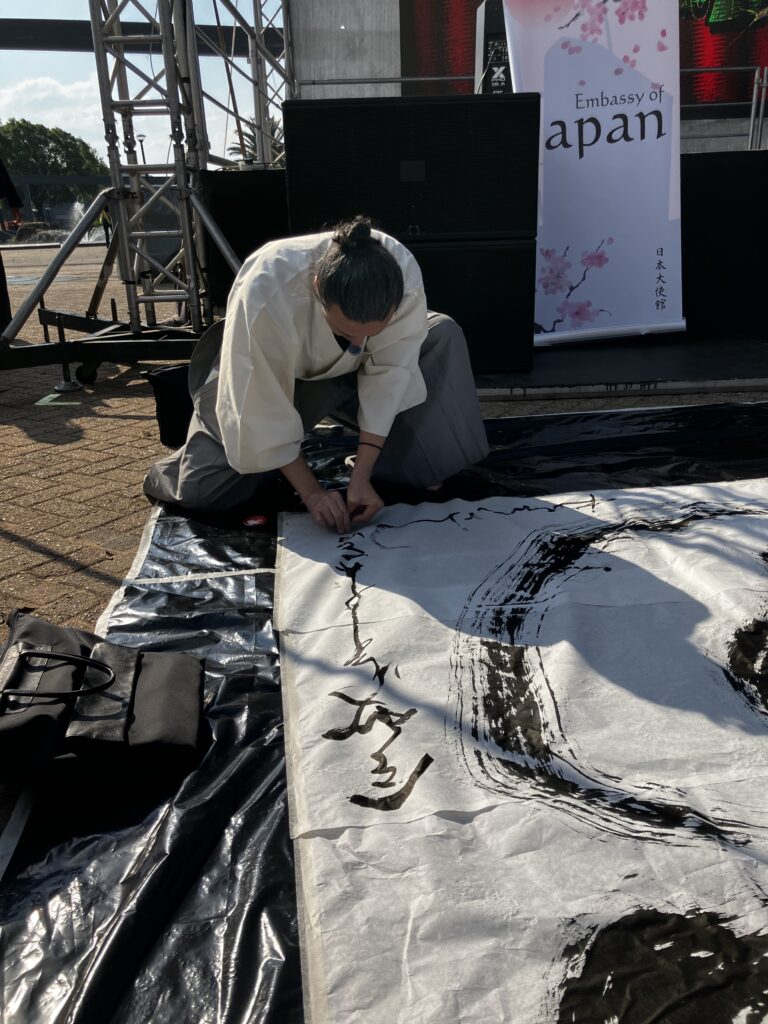
・Calligraphy performance titled “Yushin” at COMIC CON AFRICA, and interaction with attendees
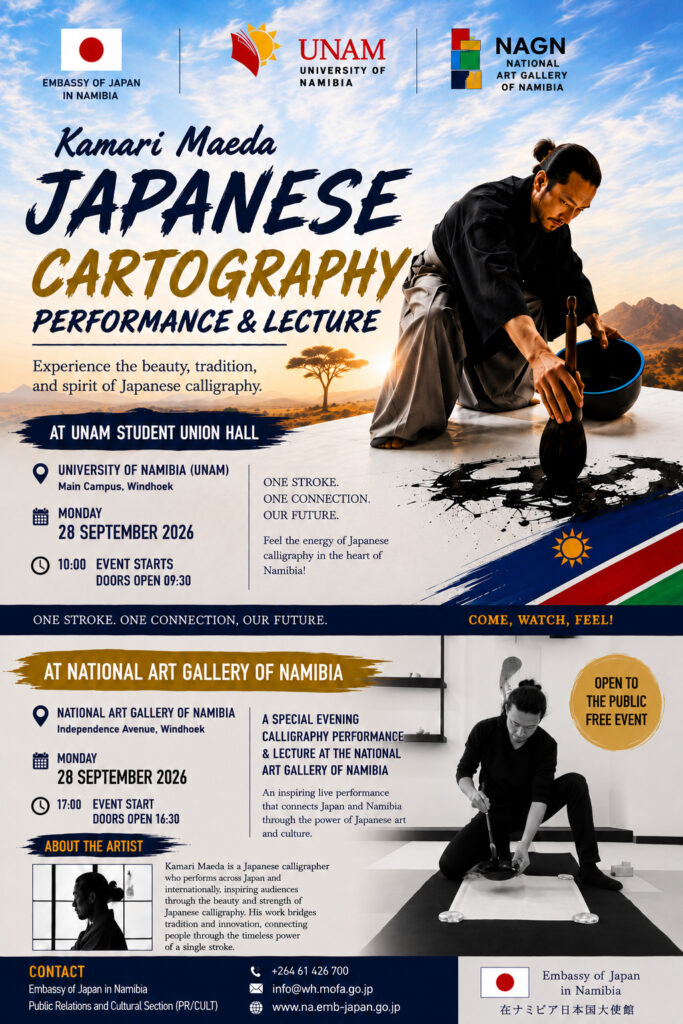
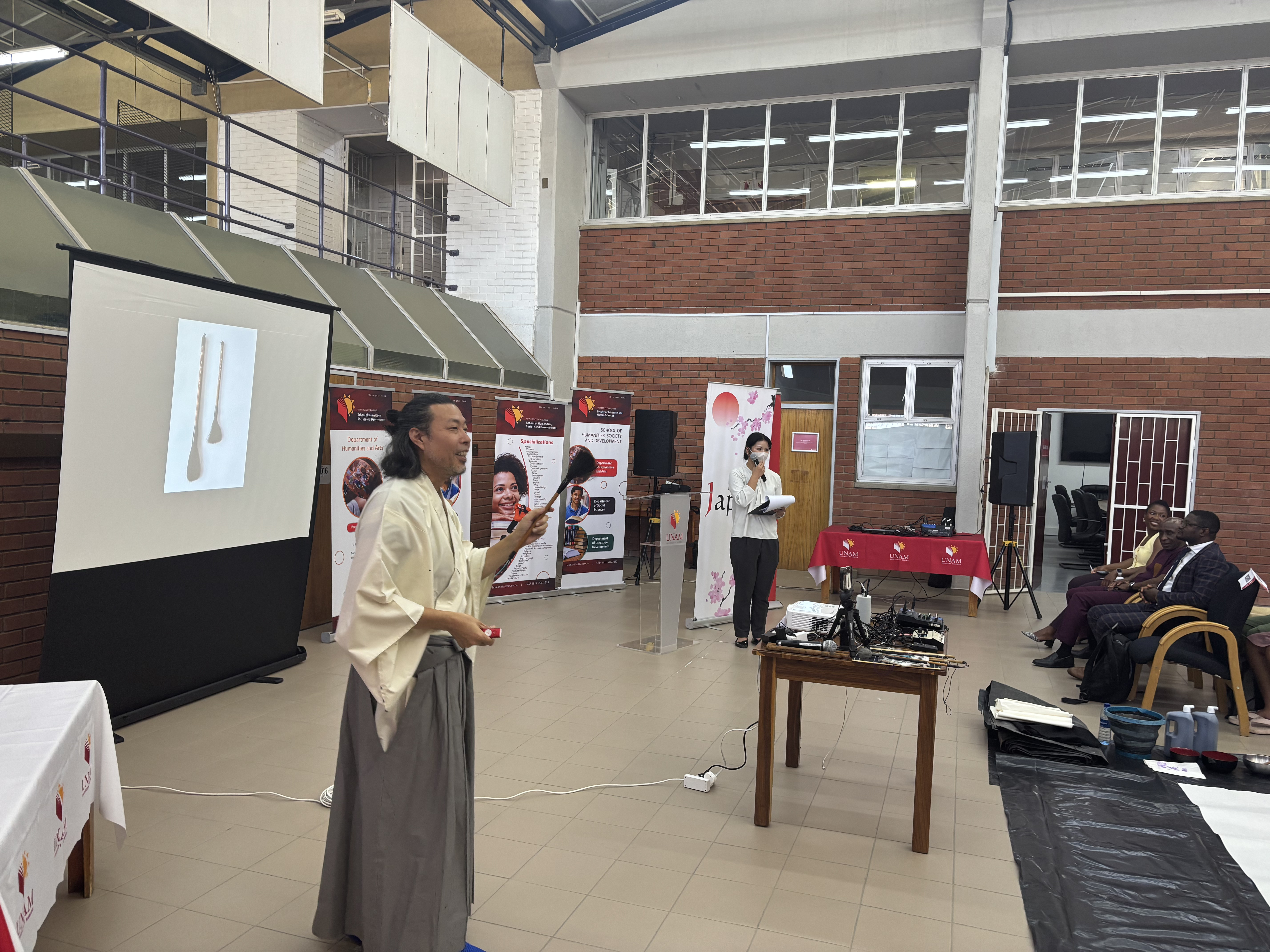
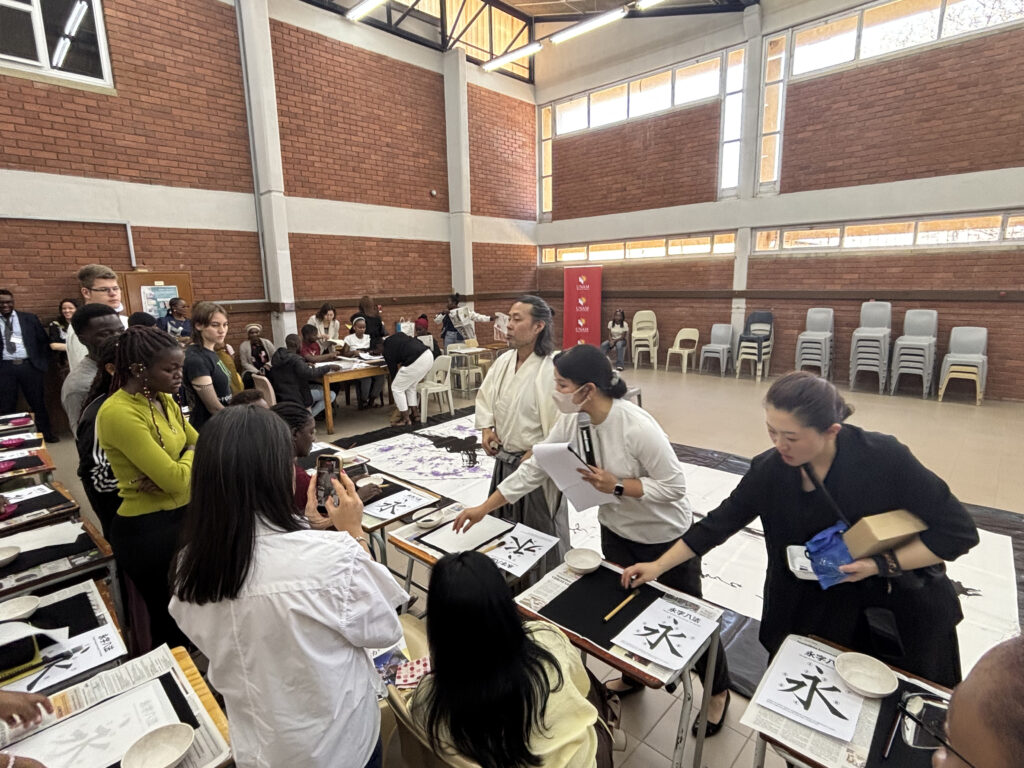
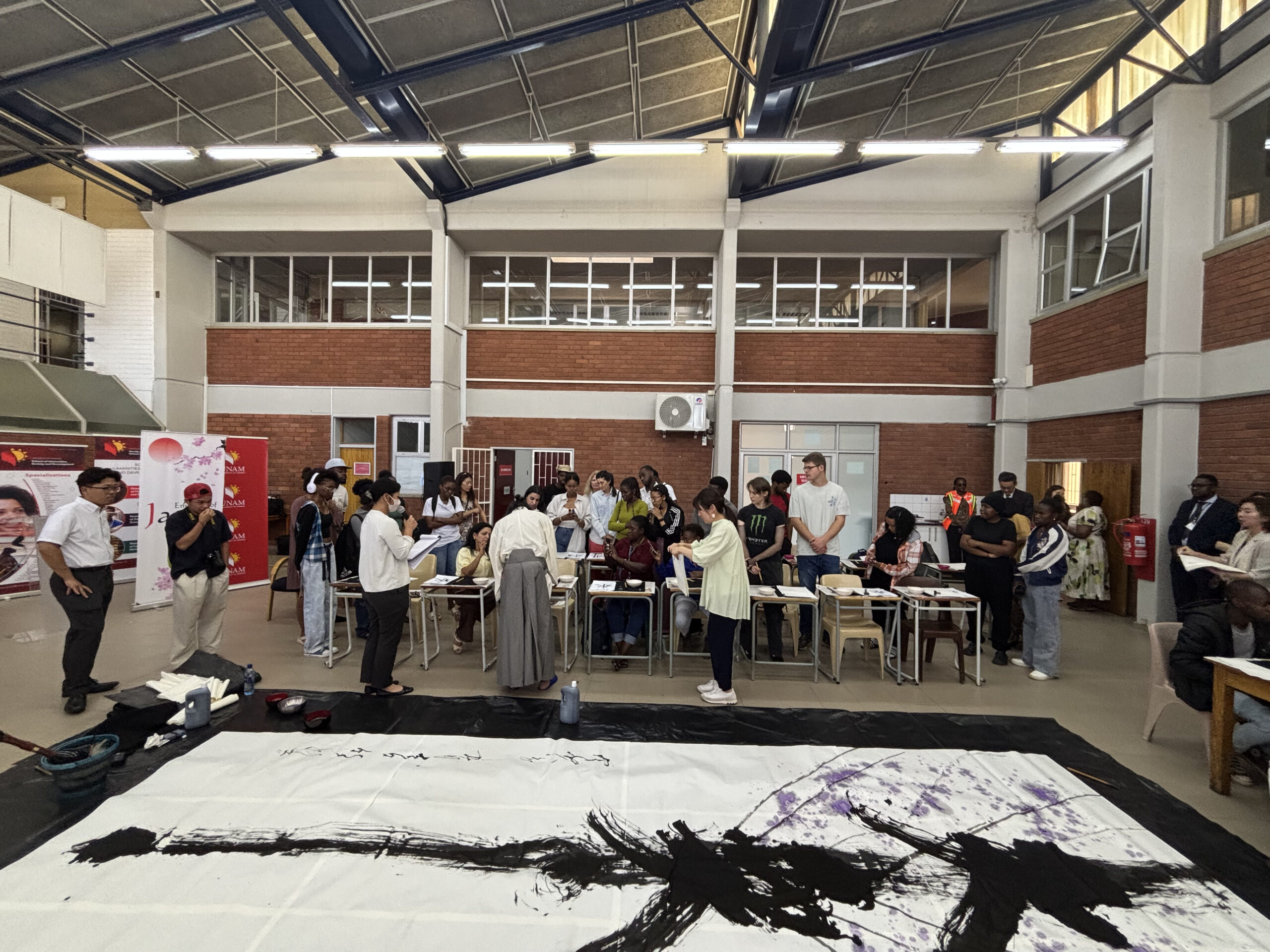
・Lecture, workshop, and live performance at the University of Namibia (UNAM). Creation of the work “Mirai” (Future), imbued with hopes for the future
・Collaborative performance with local artists at the National Art Museum of Namibia
・Performance at the National Museum of Anthropology in Angola commemorating the 50th anniversary of diplomatic relations between Japan and Angola. Creation of the work “Hibiki” (Resonance) through a collaboration with local musicians “Isoen”
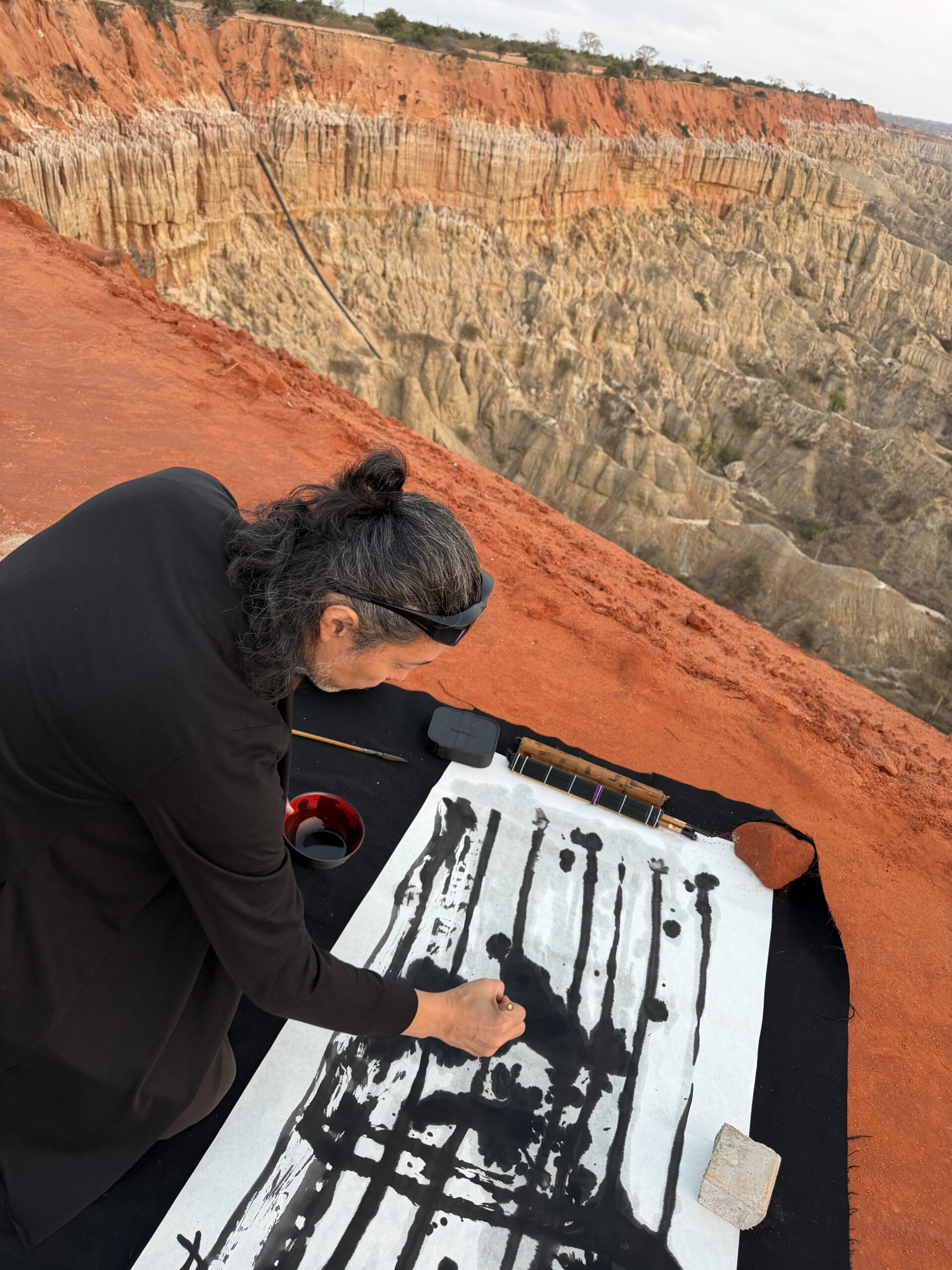
・Calligraphy works created amidst Africa’s majestic natural landscapes, such as the Namib Desert and Angola’s Moon Viewing Platform
・Also features courtesy visits to Japanese embassies in various countries, workshops at local schools and universities, and interactions with local artists.
People from different linguistic, cultural, and historical backgrounds come together through the traditional Japanese art of calligraphy, gaining a deeper understanding of one another and forging a bond.
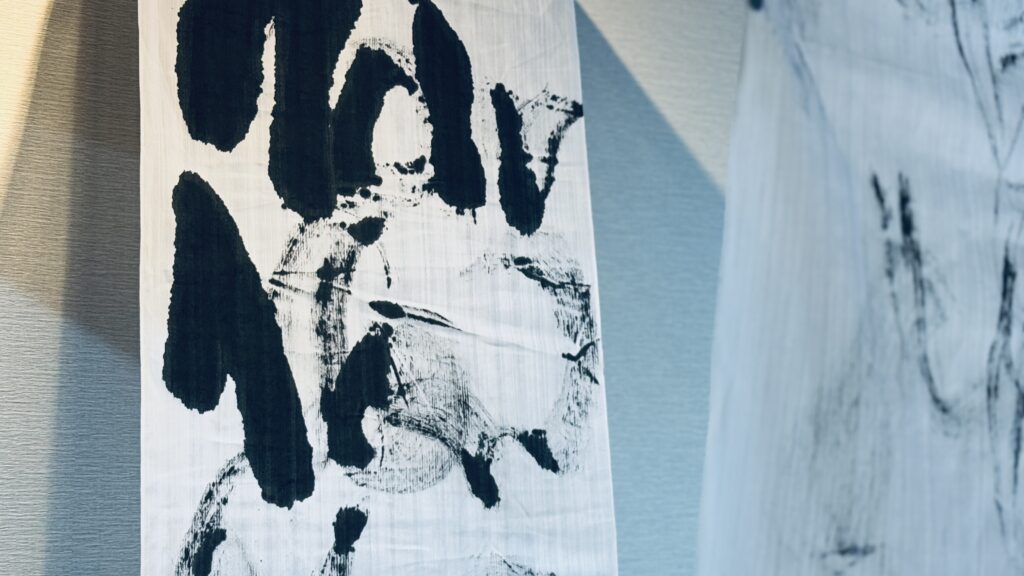
The sound of the brush touching the paper, the lines created by the ink, the fusion with local music, and the expressions on people’s faces at the moment a work is completed.
Each of these moments has become a record of cultural exchange that transcends national borders.
▶︎Click here to watch
Kamari Maeda’s Official YouTube Channel


▼Performance Schedule (11 Venues Total)
<Republic of Tanzania>
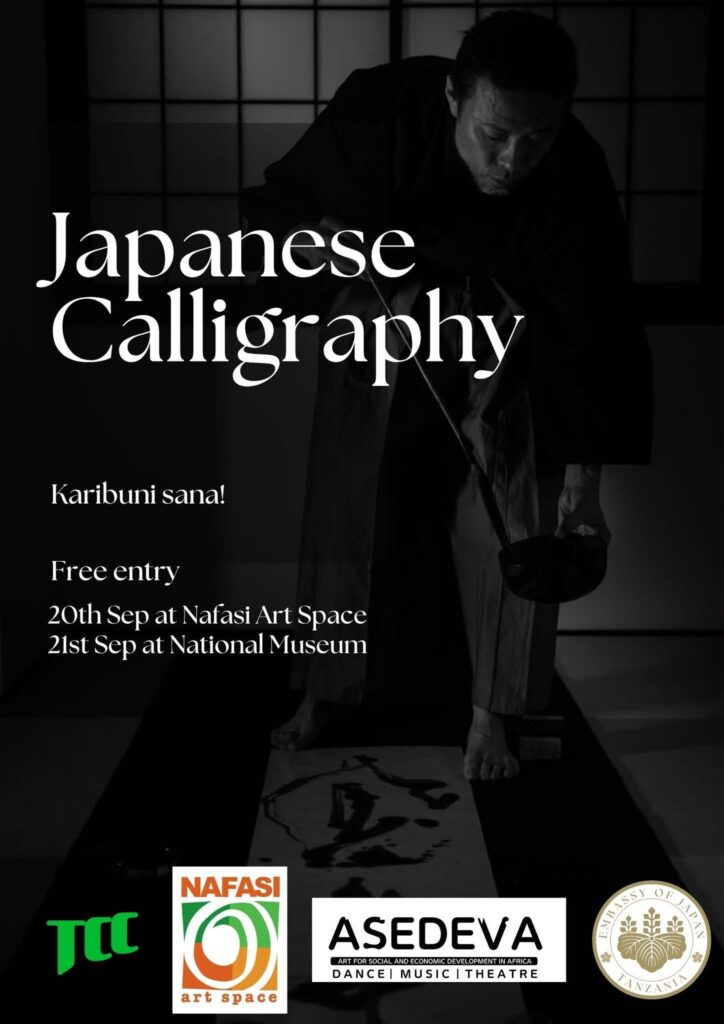
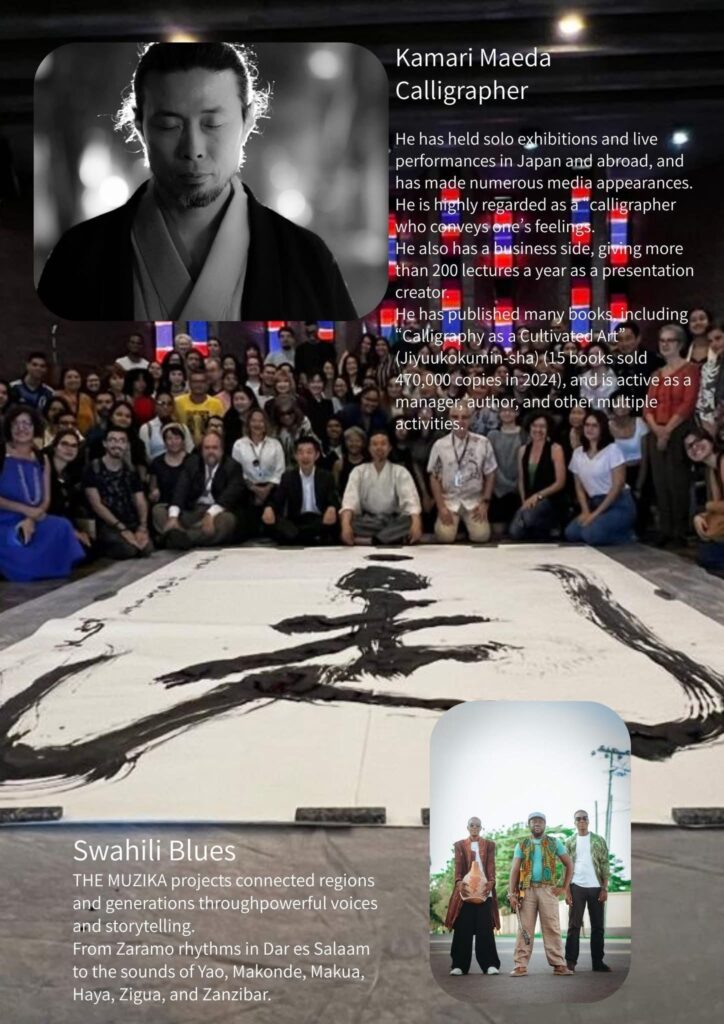
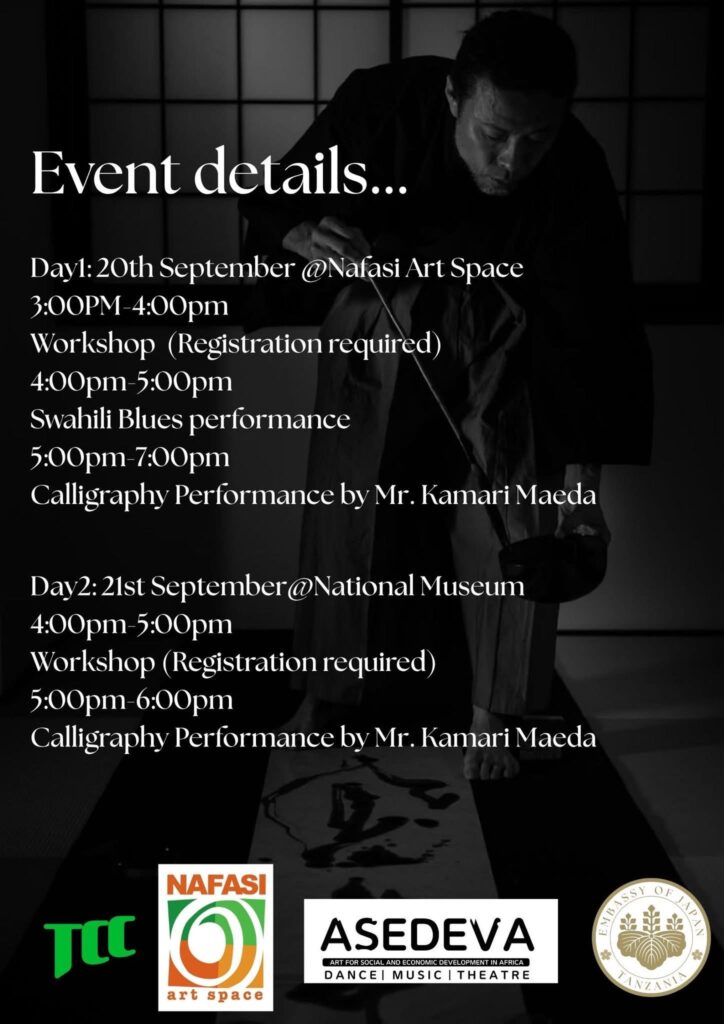
・September 20: Nafasi Art Space (Dar es Salaam)—Calligraphy performance, lecture, and workshop in collaboration with local musicians THE MUZIKA
・September 21: National Museum of Tanzania—Calligraphy performance, lecture, and workshop
・ September 22–23: Cultural exchange at elementary schools and villages in Arusha and Maasai
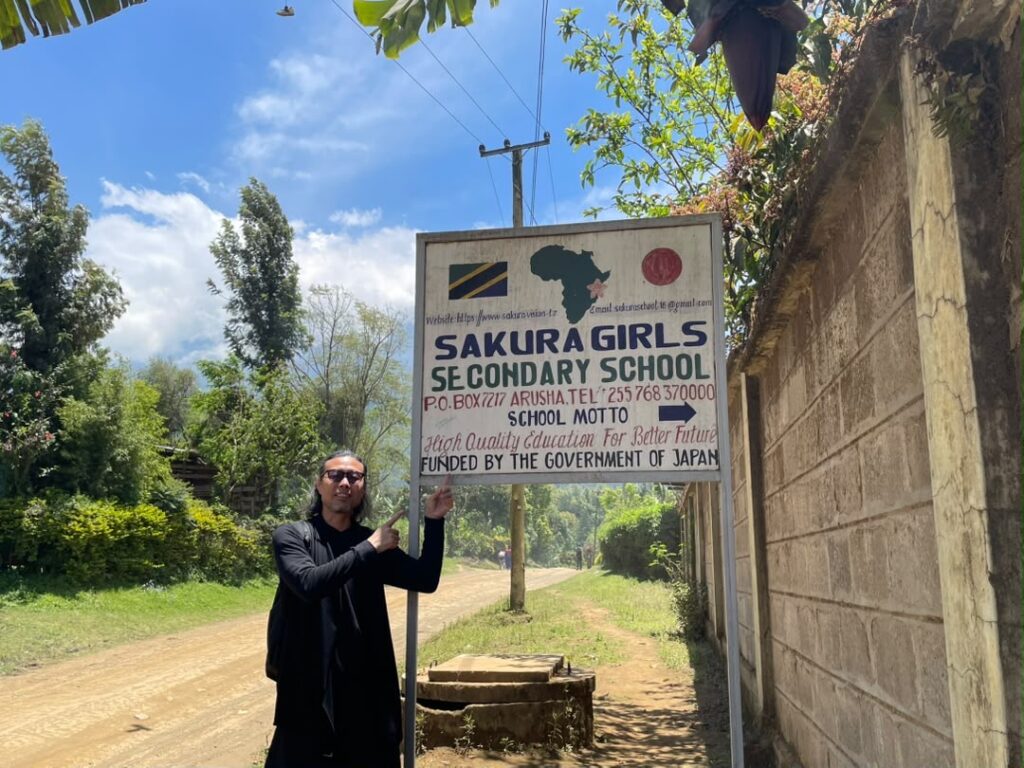
・ September 24: Calligraphy performance, lecture, and cultural exchange at Sakura Girls Secondary School
<Republic of South Africa>
・September 25: Visit to the Embassy of Japan in South Africa and the Ambassador’s Residence
・ September 26: Calligraphy performance and lecture at the ORIGINS CENTRE, WITS University (Johannesburg)
・ September 26: Calligraphy performance and interaction with attendees at COMIC CON AFRICA
<Republic of Namibia>
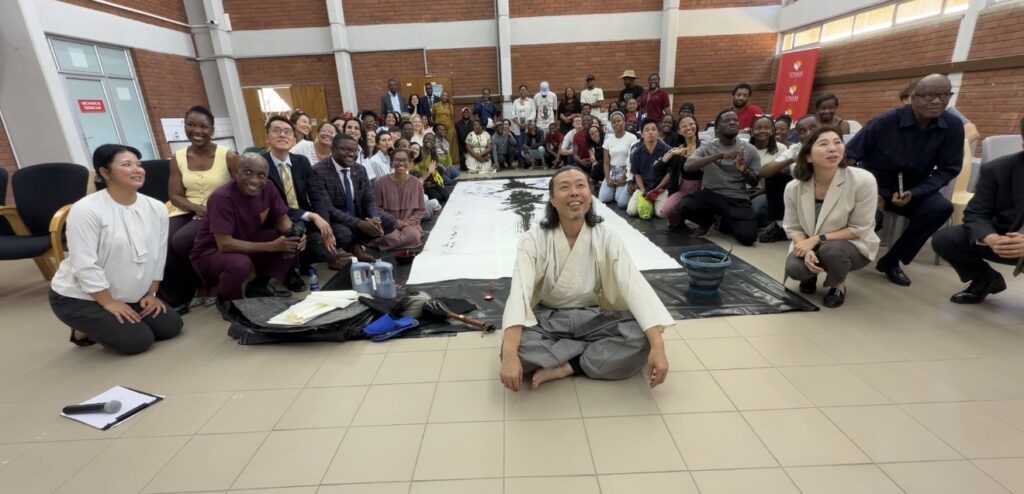
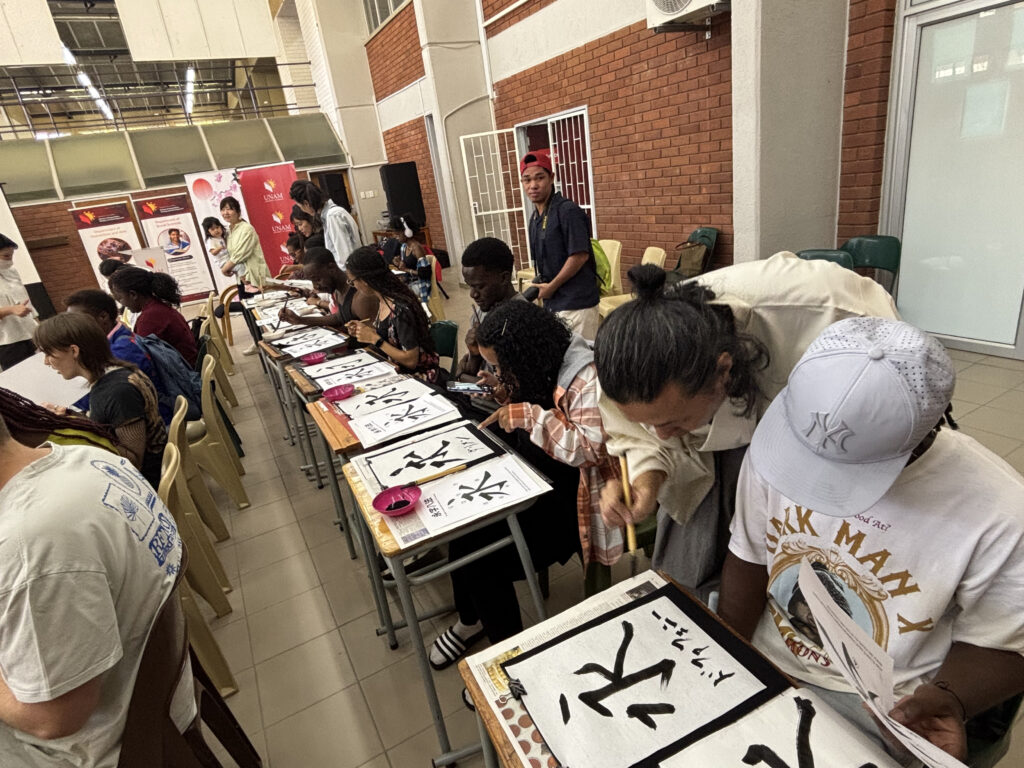
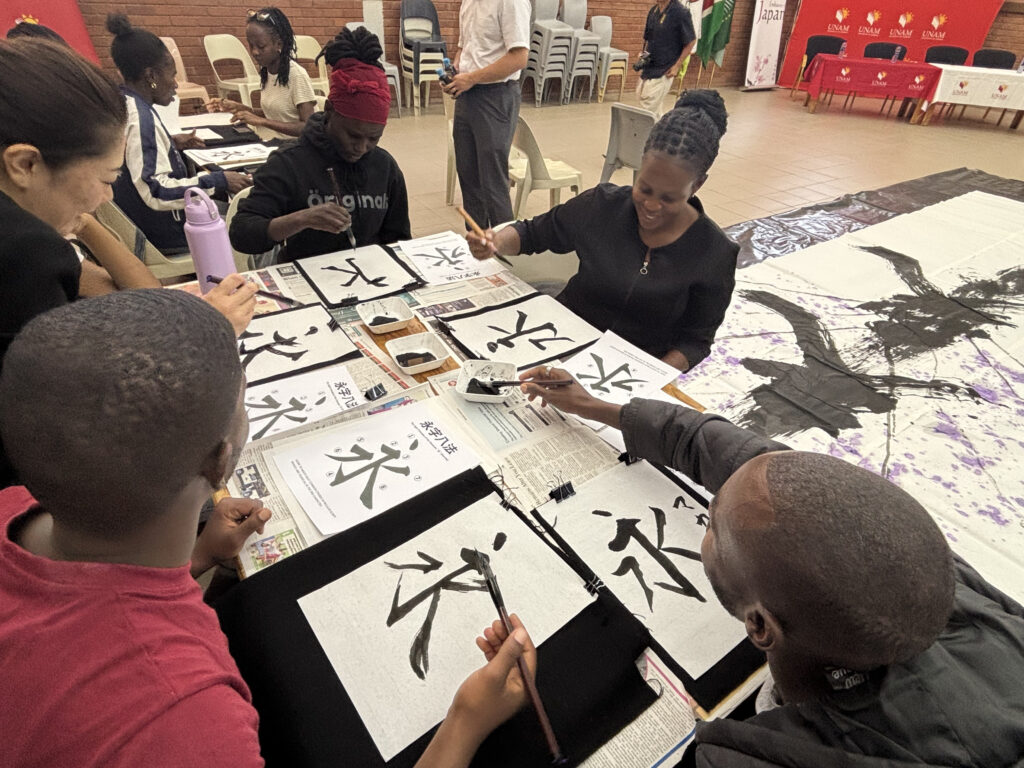
・ September 28: Calligraphy performance, workshop, and lecture at the University of Namibia
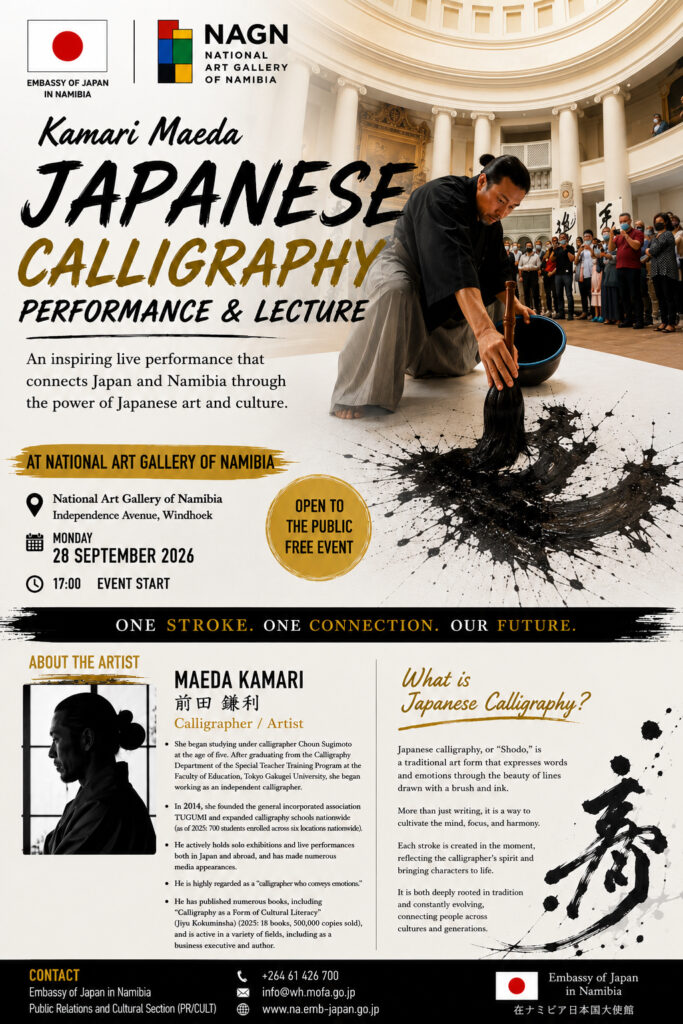
・ September 28: Collaborative performance with local artists and a lecture at the National Art Gallery of Namibia
・ September 28: Courtesy visit and calligraphy demonstration at the Embassy of Japan in Namibia
・ September 29–30: Art creation and video filming in the Namib Desert
<Republic of Angola>
・ Oct. 2: Courtesy call and calligraphy demonstration at the Embassy of Japan in Angola
・ Oct. 2: Creation of the artwork “Koku” at the Miradouro da Lua (Moon Viewing Terrace)
・ Oct. 3: Performance commemorating the 50th anniversary of diplomatic relations between Japan and Angola at the National Museum of Anthropology (Museu Nacional de Antropologia) in Angola
During this tour of Africa, we engaged in cultural exchanges through calligraphy in a wide variety of settings—not only in urban museums and art galleries, but also in schools, villages, and even the desert.
“Calligraphy” is not merely about writing characters beautifully; it connects people, bridges cultures, and serves as an opportunity to acknowledge and respect our differences.
The warmth of the African people, the power of their music, the grandeur of the land, and the children’s beaming smiles—
all of these breathed new life into my artwork.
Passing on the traditional Japanese art of “calligraphy” to the children of the future—and to the world.
Please watch the video to experience these moments of international cultural exchange through calligraphy, connecting people across the globe.
We would like to express our heartfelt gratitude to the embassies of various countries in Japan, local cultural and educational institutions, artists, and all those involved for their tremendous efforts in making this project a reality.
Tanzania
Nafasi Art Space
Dar es Salaam, Tanzania
Nafasi Art Space
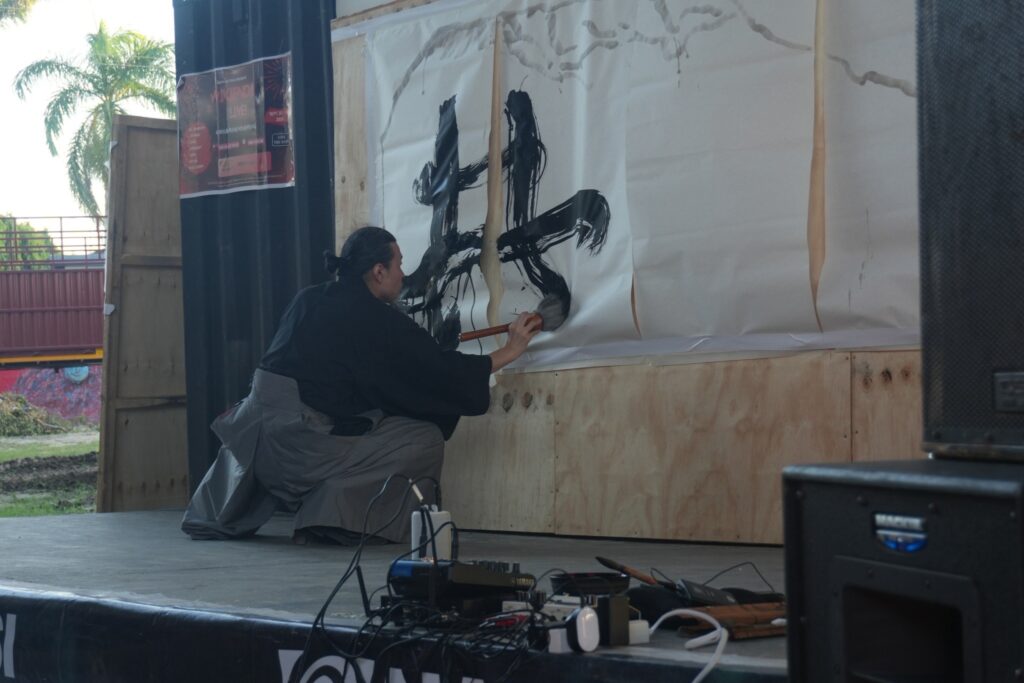
After our calligraphy workshop, we had a special collaboration performance with local musicians, THE MUZIKA!
- GRANICA — “Nakupenda”
“Nakupenda” means “I love you” in Swahili.
We dedicated this performance to everyone we met here for the first time, with our heartfelt gratitude.
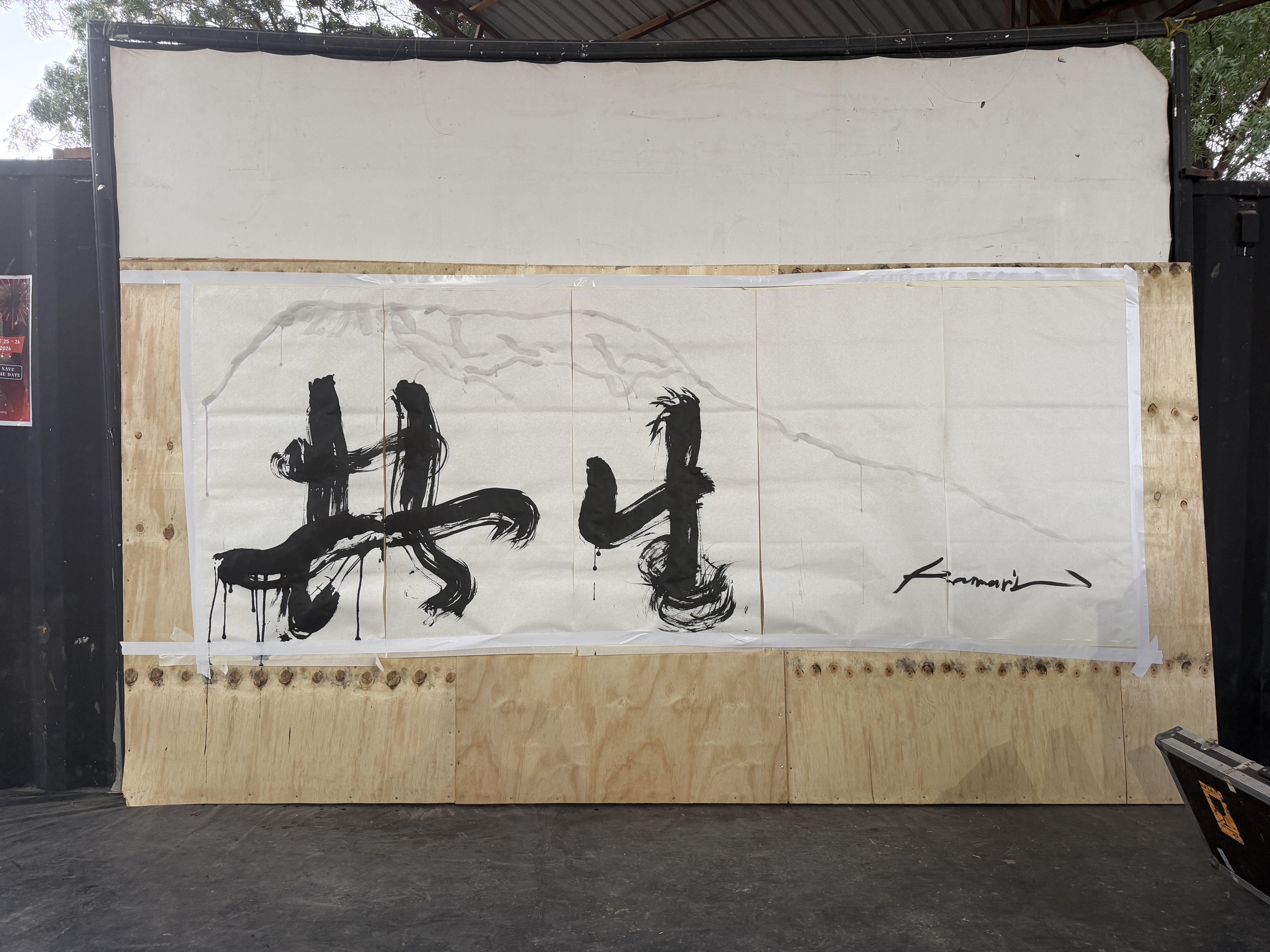
- Collaboration Performance — “共生 / Kyosei” (Living Together)
Beneath Mount Kilimanjaro, I expressed through calligraphy the idea of “living together” — people with people, and humanity with nature.
In 1964, Tanganyika and Zanzibar united to form what is now Tanzania.
With deep respect for Tanzania’s history of more than 60 years of building a nation together, I chose the word “共生 — Kyosei,” meaning coexistence and living together in harmony.
The music was another wonderful collaboration, performed by THE MUZIKA together with Mr. JIN from the Embassy of Japan in Tanzania.
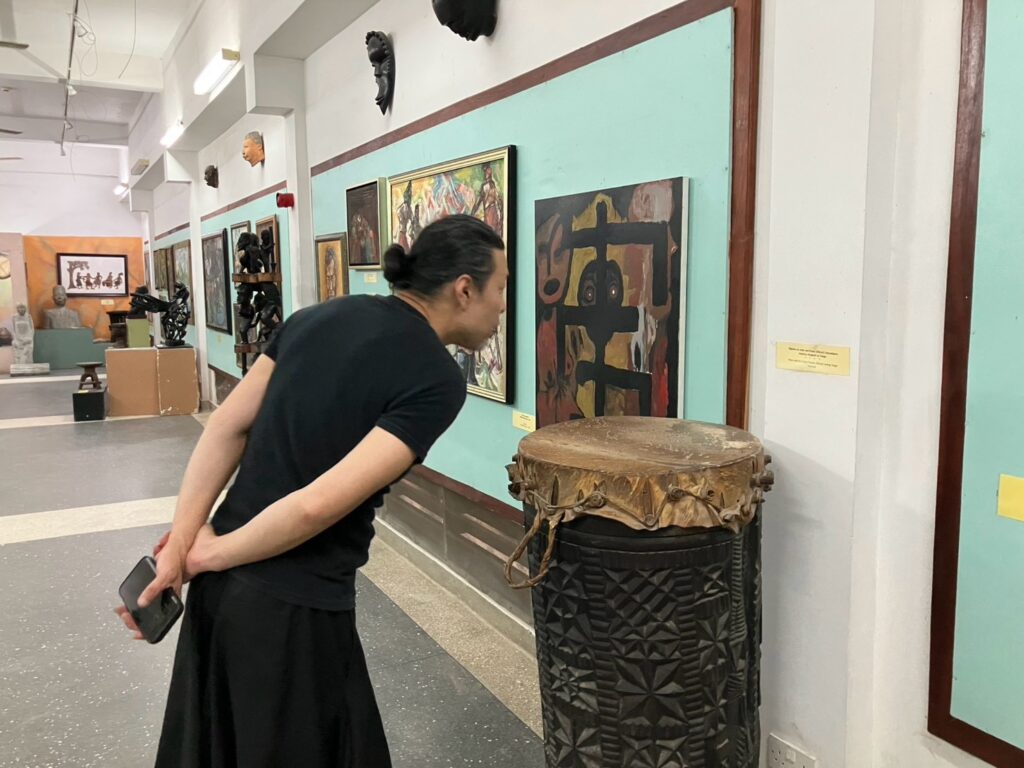
National Museum of TANZANIA
Dar es Salaam, Tanzania
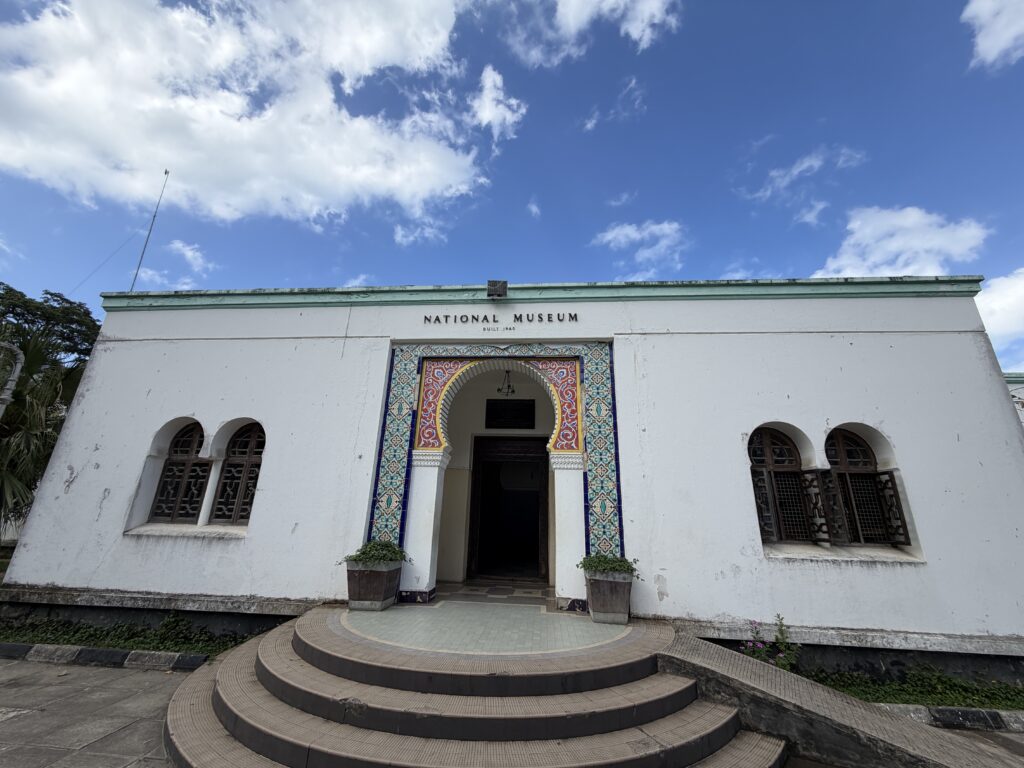
National Museum of Tanzania
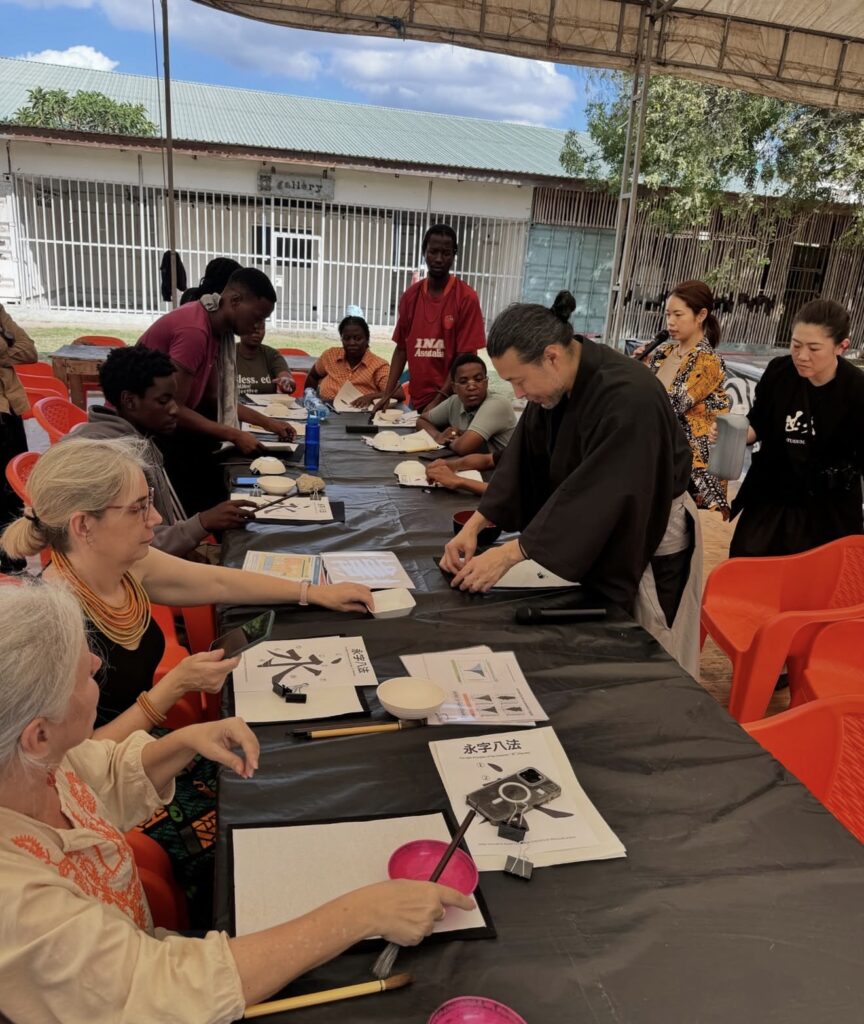
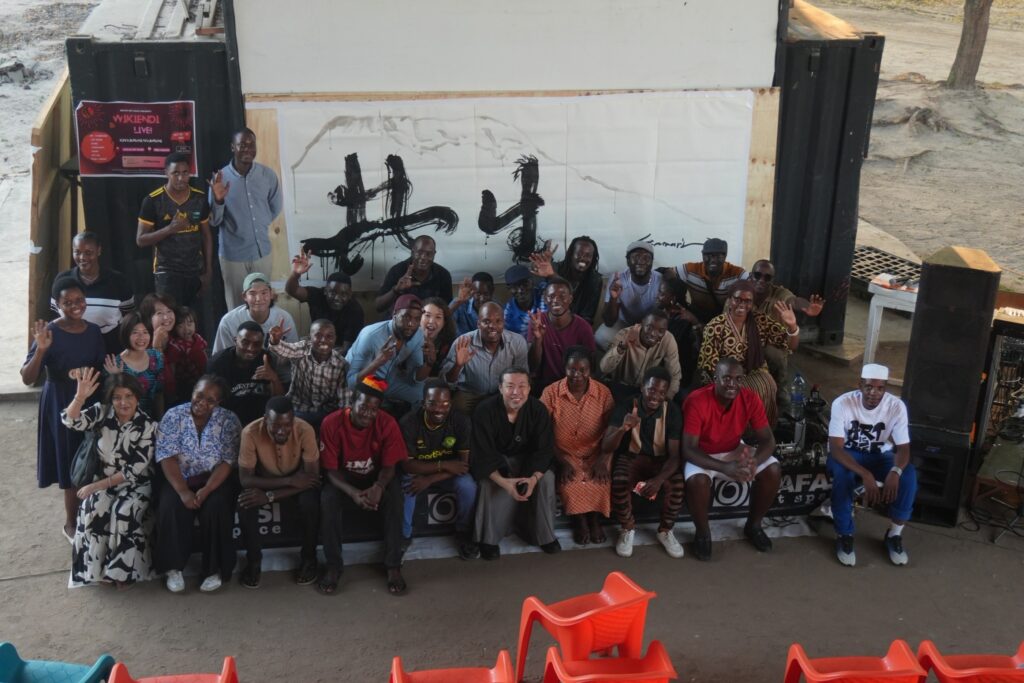
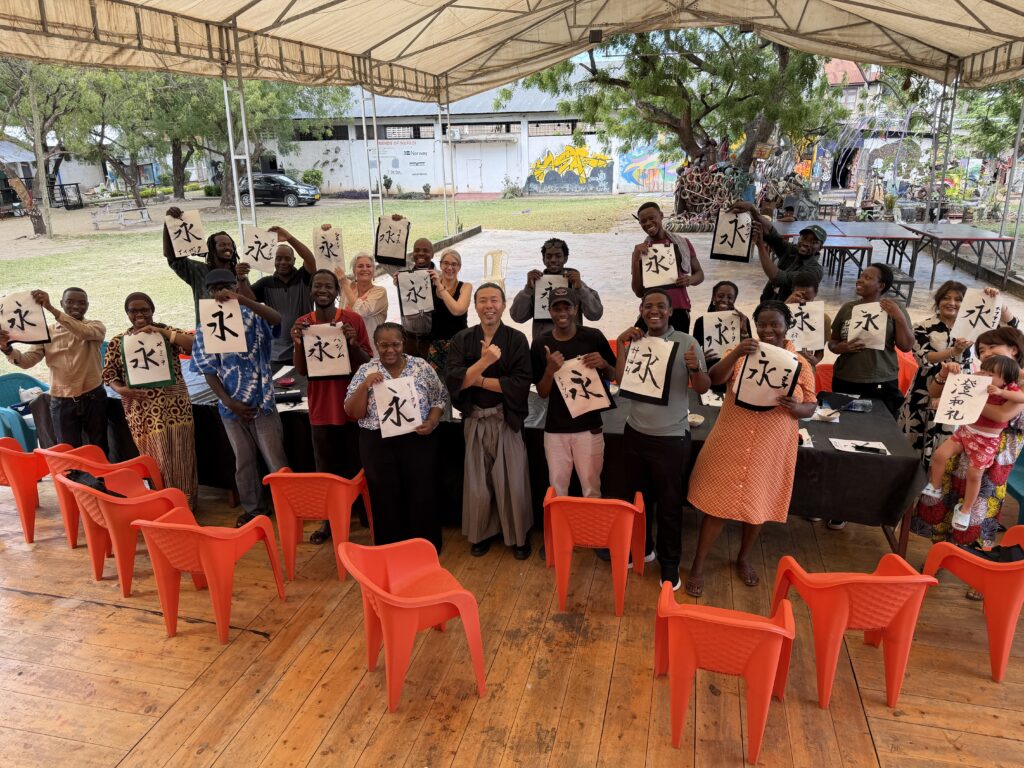
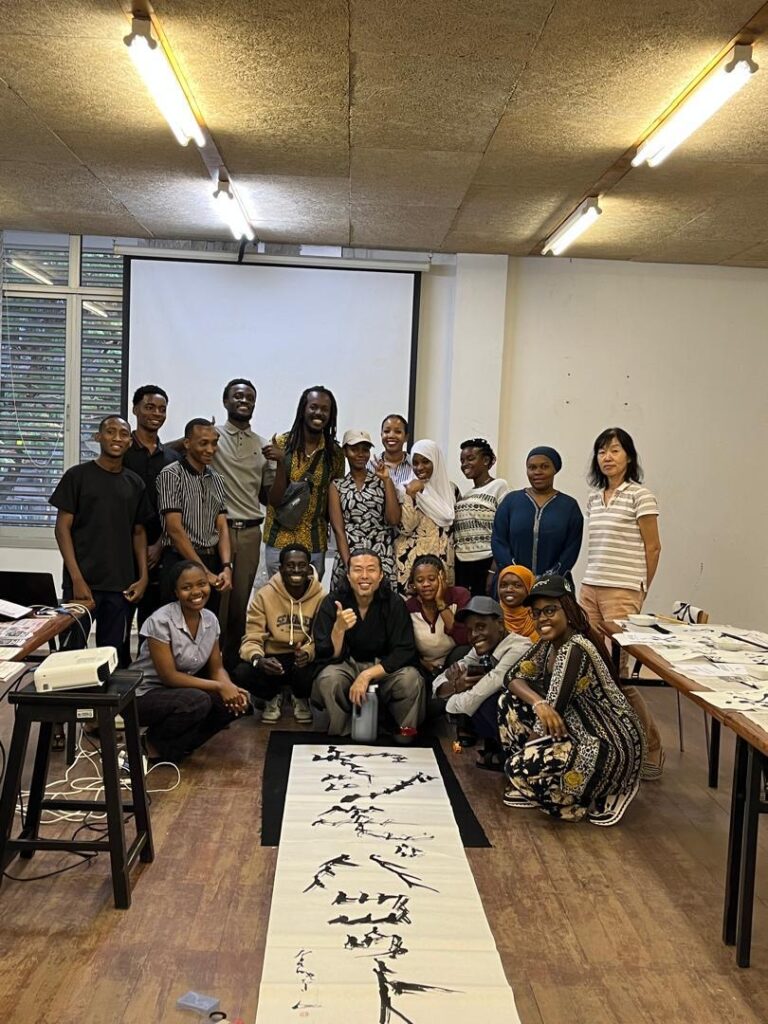
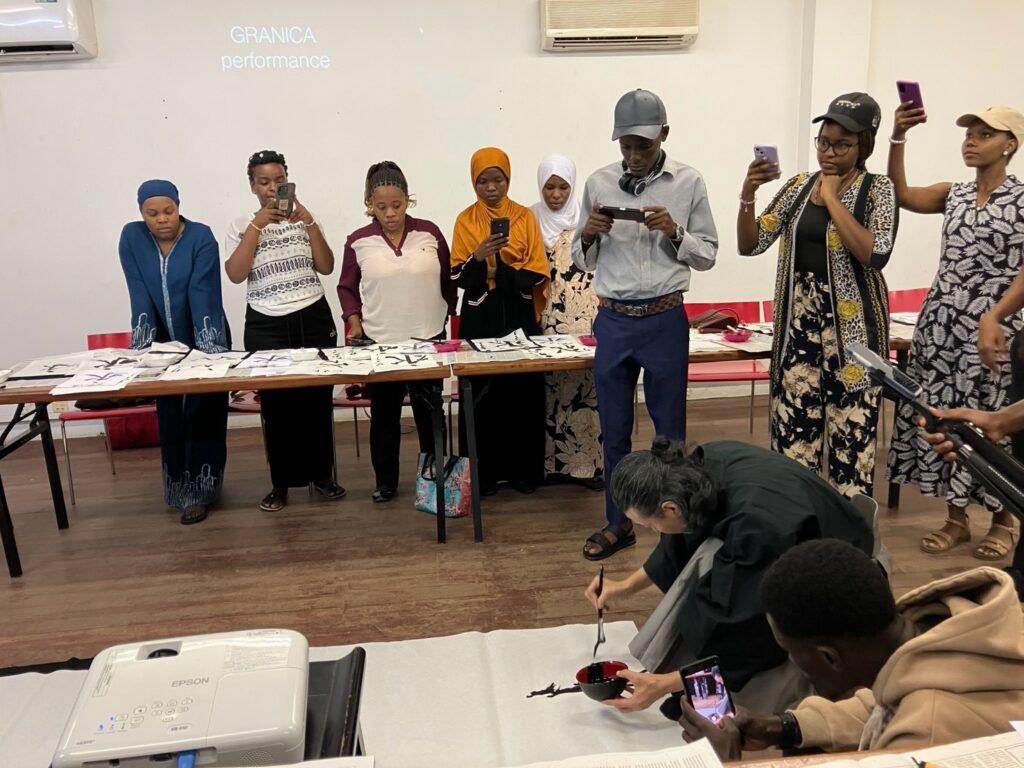
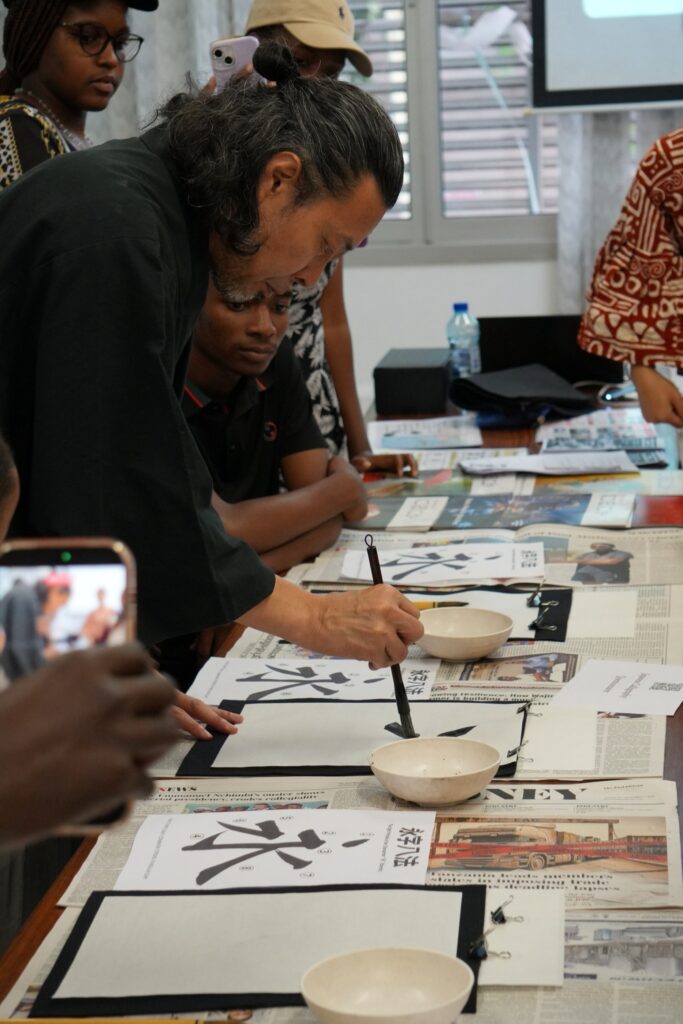
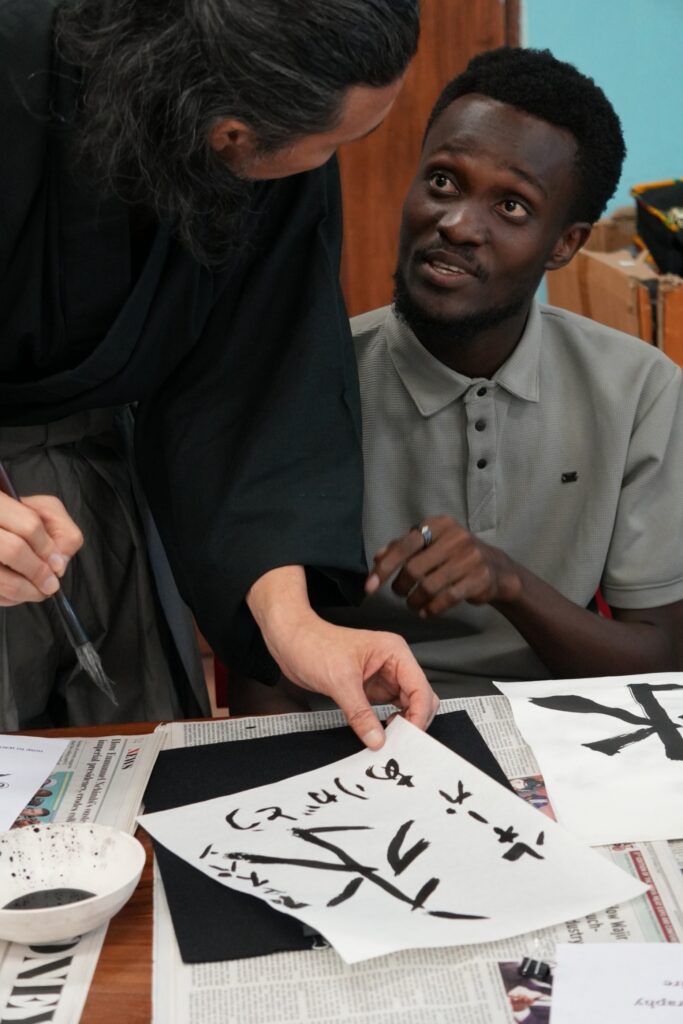
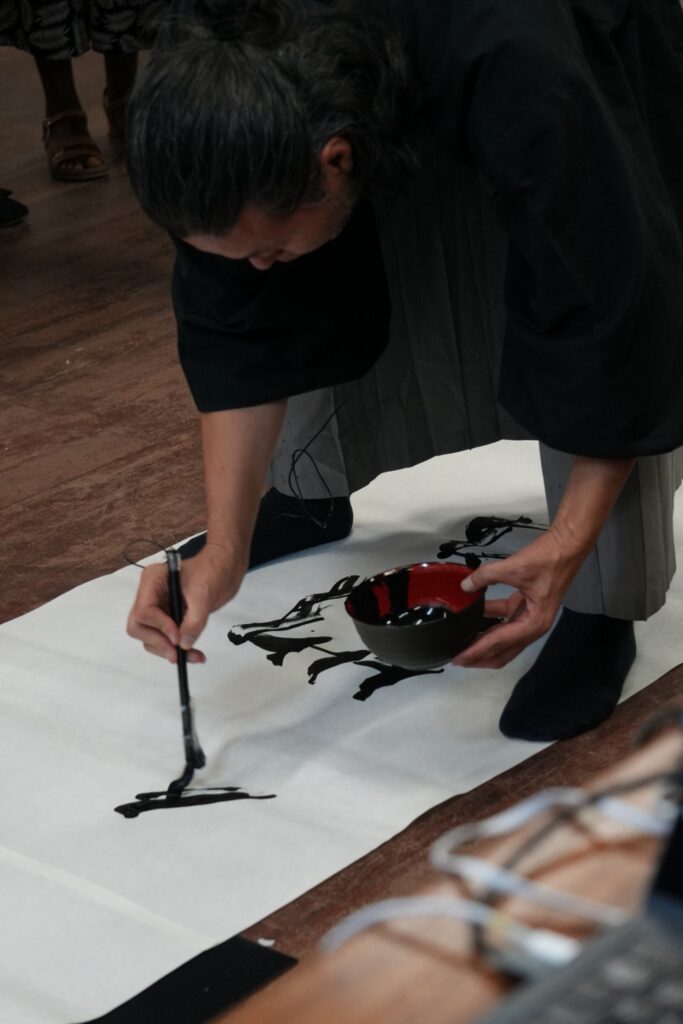
Today, we held a Japanese calligraphy workshop and a GRANICA performance at the National Museum of Tanzania.
Today’s performance was titled:
“Tuko Pamoja”
“Tuko pamoja” is Swahili for “We are together” — a phrase that also carries the spirit of living together.
Africa is the birthplace of humankind.
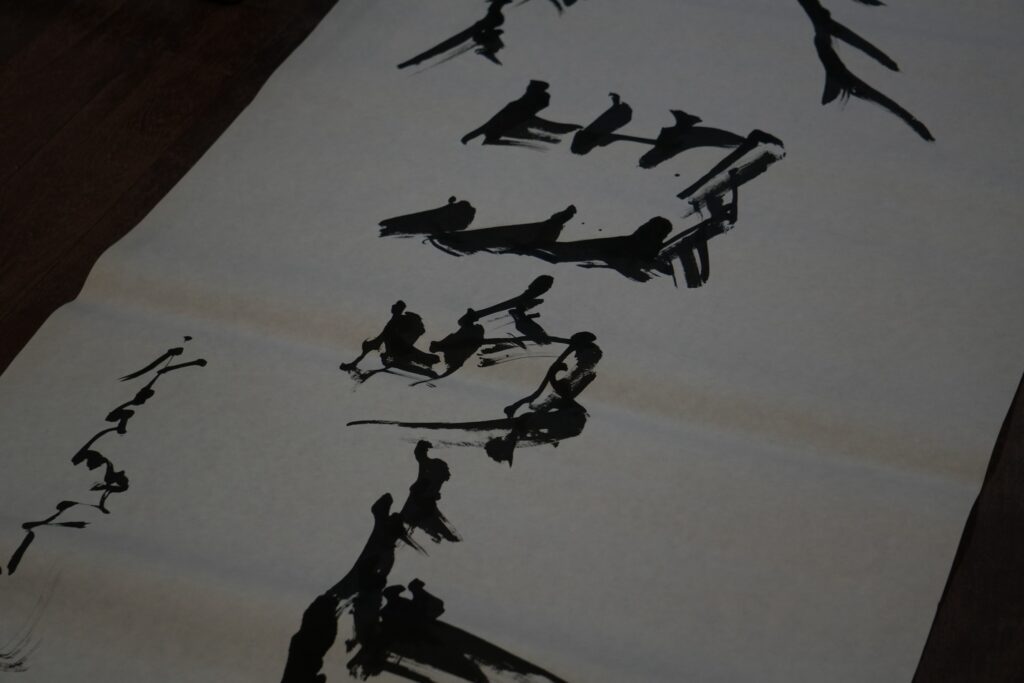
Beginning with a single 人 — the Japanese kanji for “person” — I created a composition in which many 人 characters spread outward, representing humanity’s journey from Africa across the world. Together, the characters form the shape of the words “TUKO PAMOJA.”
Humanity has progressed and evolved by living, learning, and creating together with others.
With this work, I express my hope that this shared journey will continue far into the future.
I am deeply honored that this artwork will become part of the permanent collection of the National Museum of Tanzania.
Embassy of Japan in Tanzania
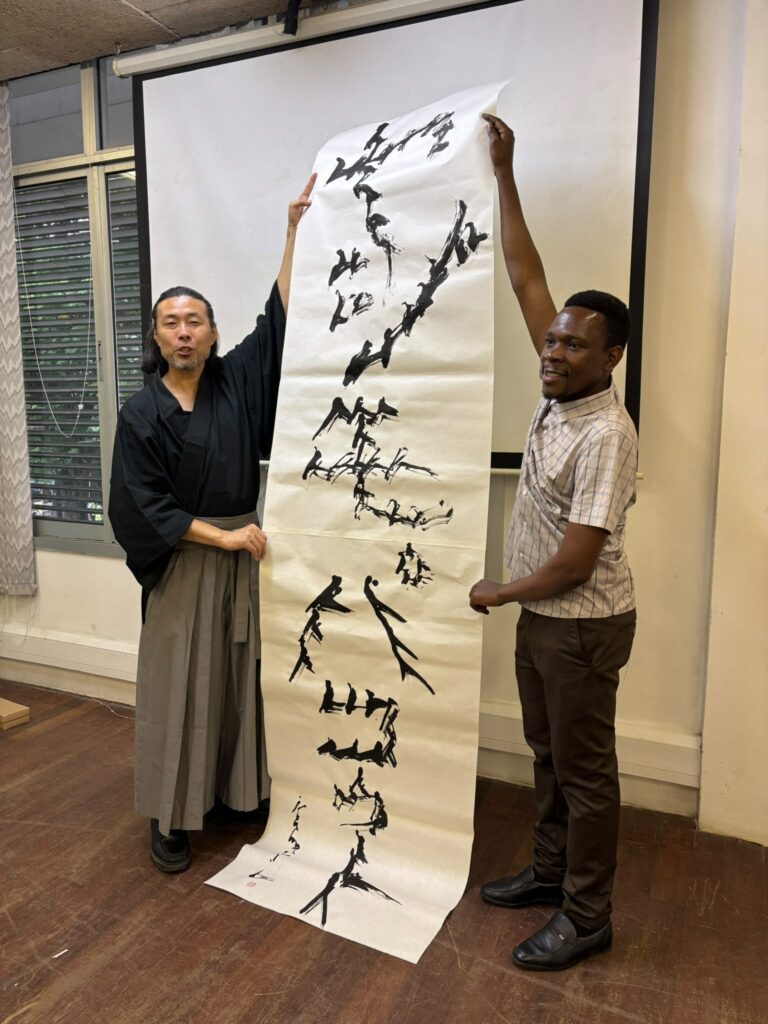
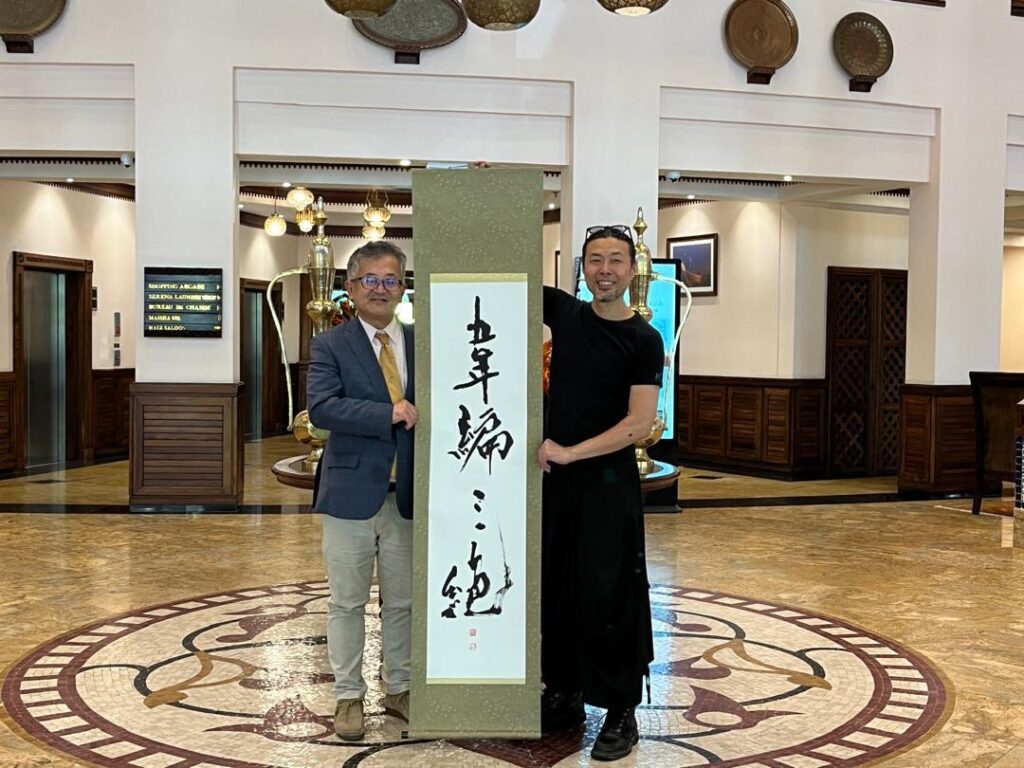
As Ambassador Mikami is an avid reader, I had the honor of creating a calligraphy work featuring the four-character idiom:
「韋編三絶」 (Ihen Sanzetsu)
This expression originates from an anecdote about Confucius recorded in Records of the Grand Historian (Shiji).
It is said that Confucius read the I Ching (Book of Changes) so many times that the leather straps binding its bamboo slips wore out and broke repeatedly.
The idiom symbolizes the pursuit of profound knowledge and wisdom through reading, rereading, and deeply studying a single book.
During dinner with Ambassador Mikami, we engaged in conversations covering a wide range of topics. I gained so many valuable insights, new perspectives, and opportunities for learning through our thoughtful and inspiring discussions.
I sincerely hope we will have the opportunity to meet again.
Thank you very much, Ambassador Mikami, for taking the time out of your busy schedule to share such a meaningful evening with me!
Sakura Girls’ Junior High School and High School
Arusha, Tanzania
Visit to Sakura Girls Secondary School
— Sharing Japanese Culture & Calligraphy Performance —
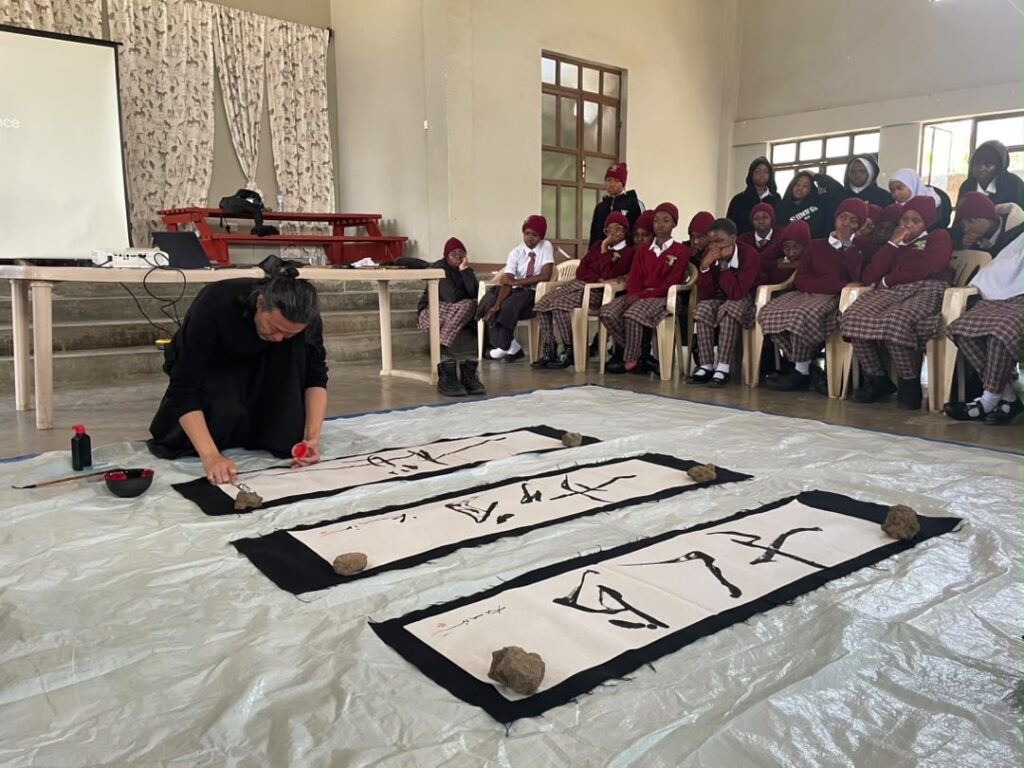
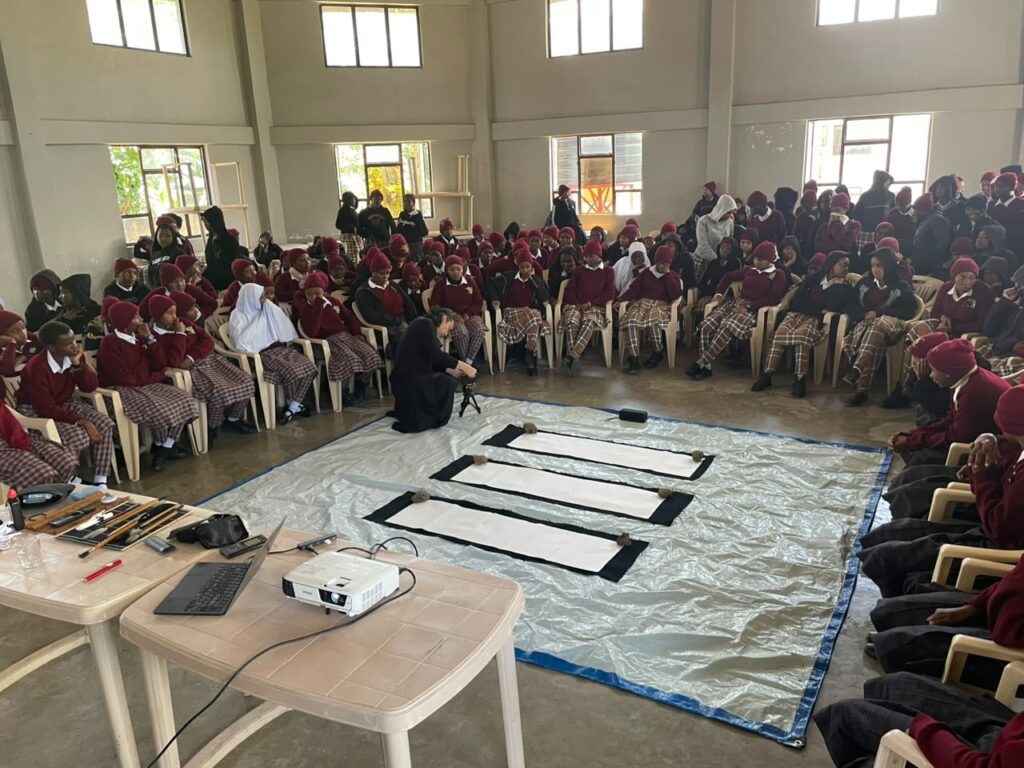
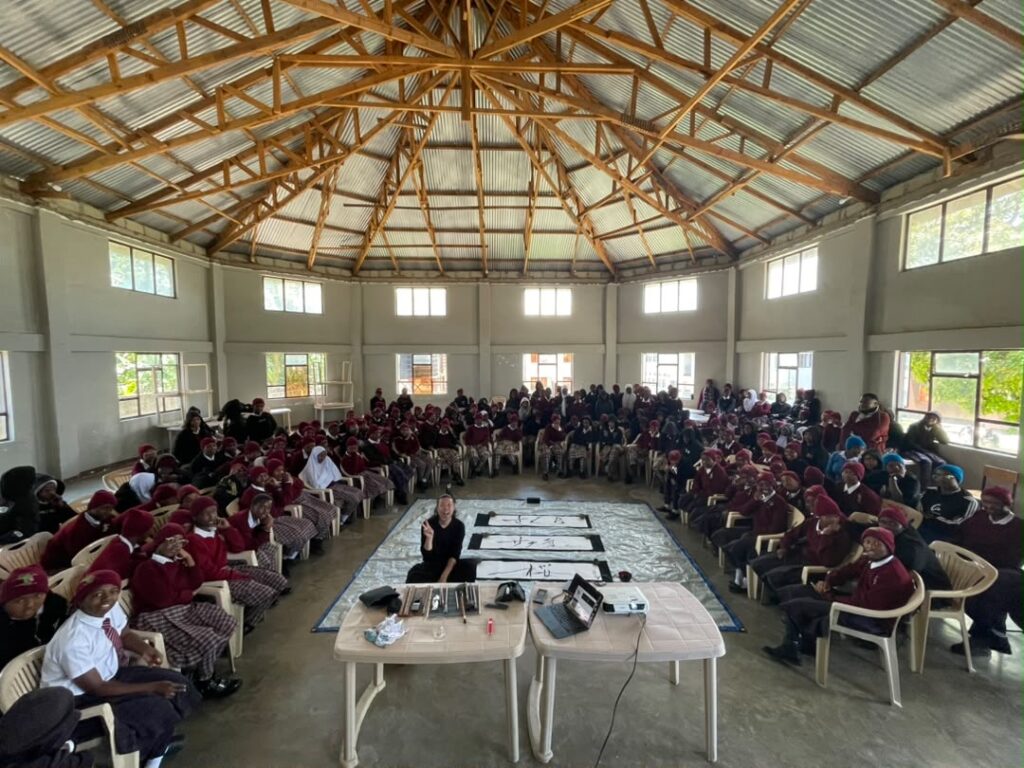
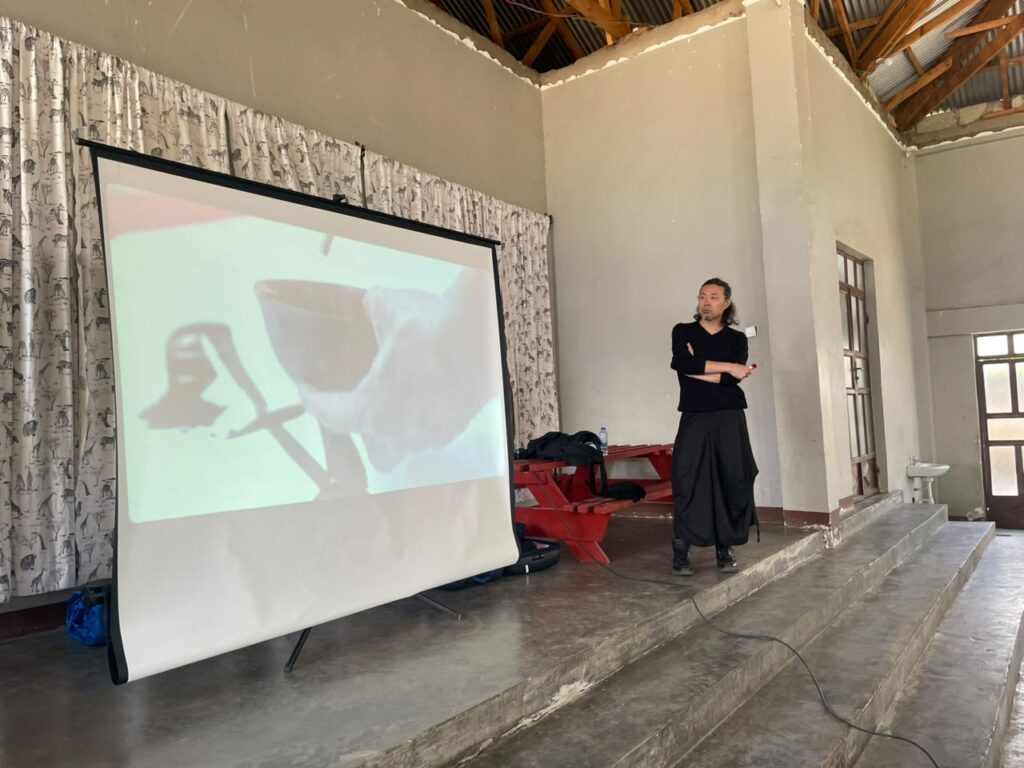
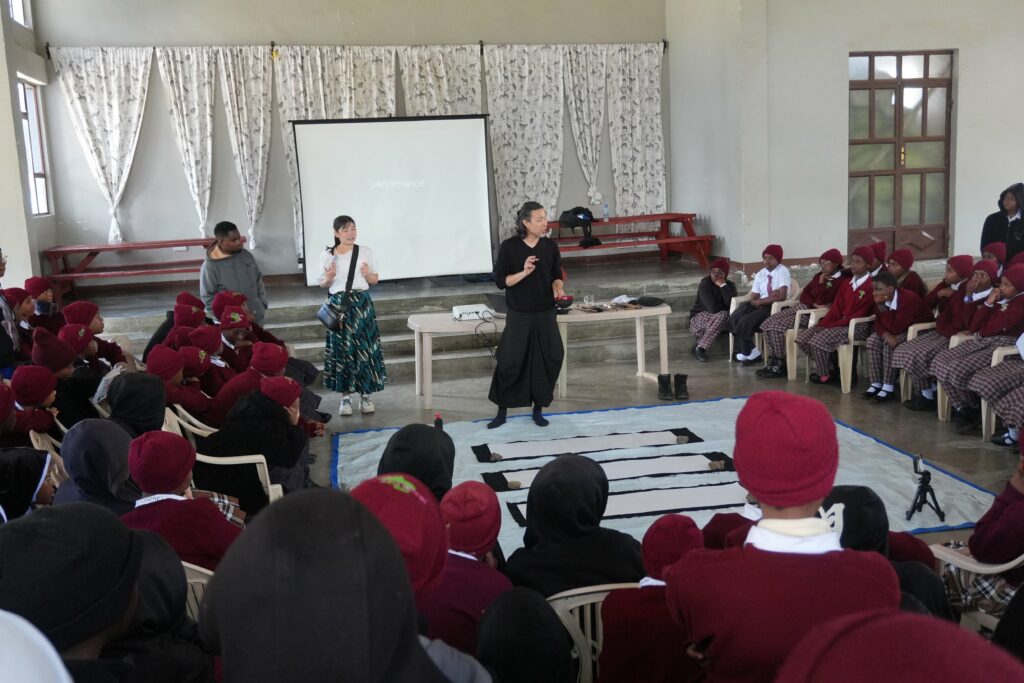
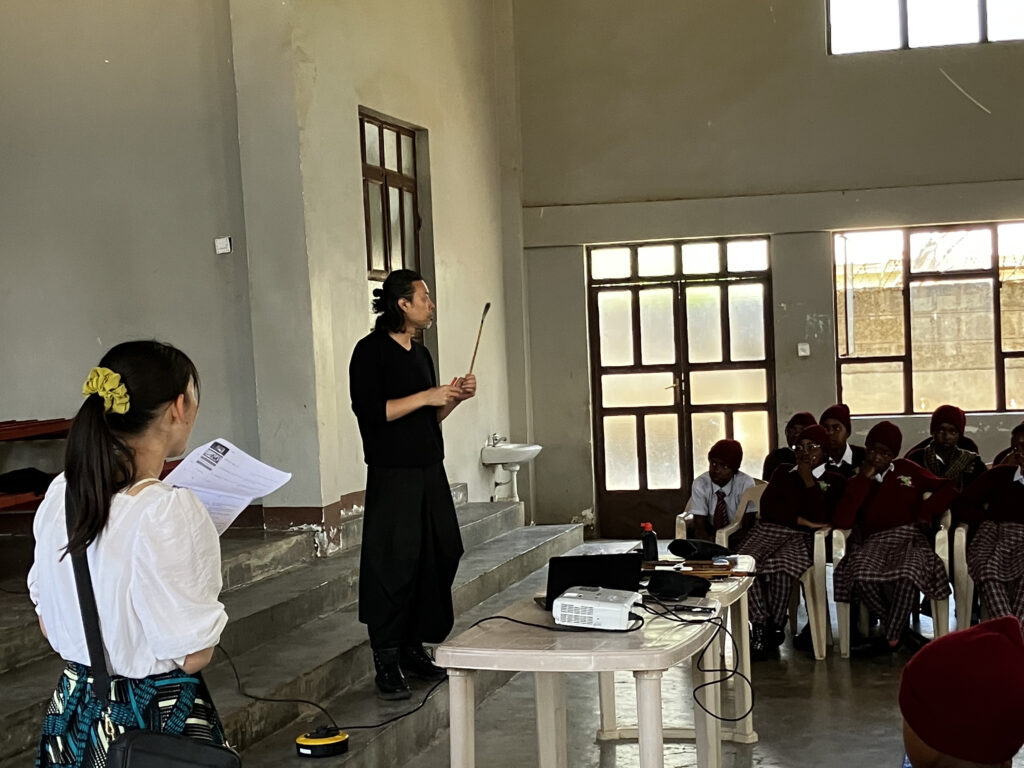
Today, I had the wonderful opportunity to visit Sakura Girls Secondary School in Arusha, where I gave a talk about Japanese culture and presented a calligraphy lesson and performance.
Sakura Girls Secondary School was established in 2016 with the support of a Japanese civic organization. With a strong focus on science and mathematics education, the school is also dedicated to empowering young women and expanding their opportunities for the future.
Our company in Japan is also actively involved in initiatives supporting women’s empowerment, which made this visit especially meaningful to us.
The school is a boarding school, and the students dedicate themselves to their studies every day. I was delighted to share a small experience of Japanese calligraphy with them.
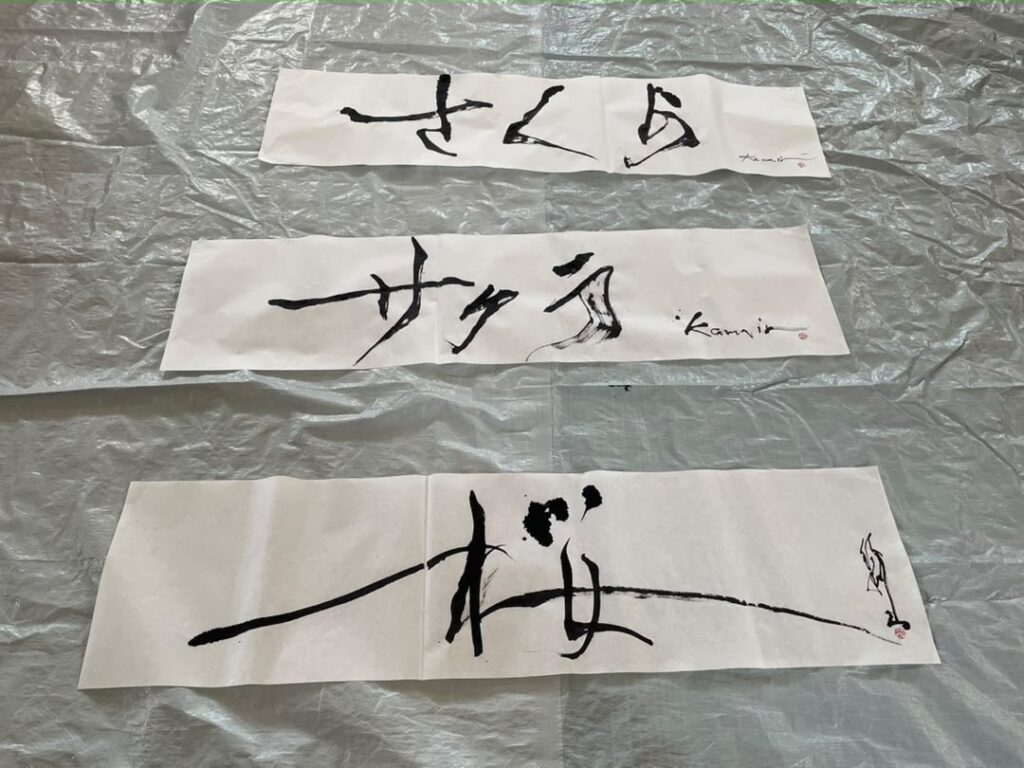
For the performance, I wrote the word “Sakura” — cherry blossom — in three different forms:
さくら — Hiragana
サクラ — Katakana
桜 — Kanji
At this time of year in Arusha, beautiful purple jacaranda flowers are in full bloom, filling the landscape almost like cherry blossoms do in Japan.
During chai time between classes, I was served a wonderfully sweet cup of tea. After a full day, its warmth and sweetness felt especially comforting.
Asante.
The students were very shy at first, but by the end, the questions just kept coming! I was so happy to see how much they enjoyed the experience and how curious they were about Japanese culture.
My heartfelt gratitude goes to Noborio-san, who has supported and guided us throughout our time here.
Thank you so much for everything.
I look forward to seeing you again in Japan!
Courtesy Visit to the Maasai Tribe
マサイ小学校
Arusha, Tanzania
A Special Class at a Maasai Primary School!
Today, we went to meet the Maasai people!
Our first stop was a primary school attended by Maasai children.
This small school has an incredible 961 students!
One class has as many as 196 students—with just one teacher!
That’s more than six times the size of a typical 30-student class in Japan, all taught by a single teacher. Amazing!
The students learn a wide range of subjects, including Swahili, English, Mathematics, Science, Geography, History, and Art.
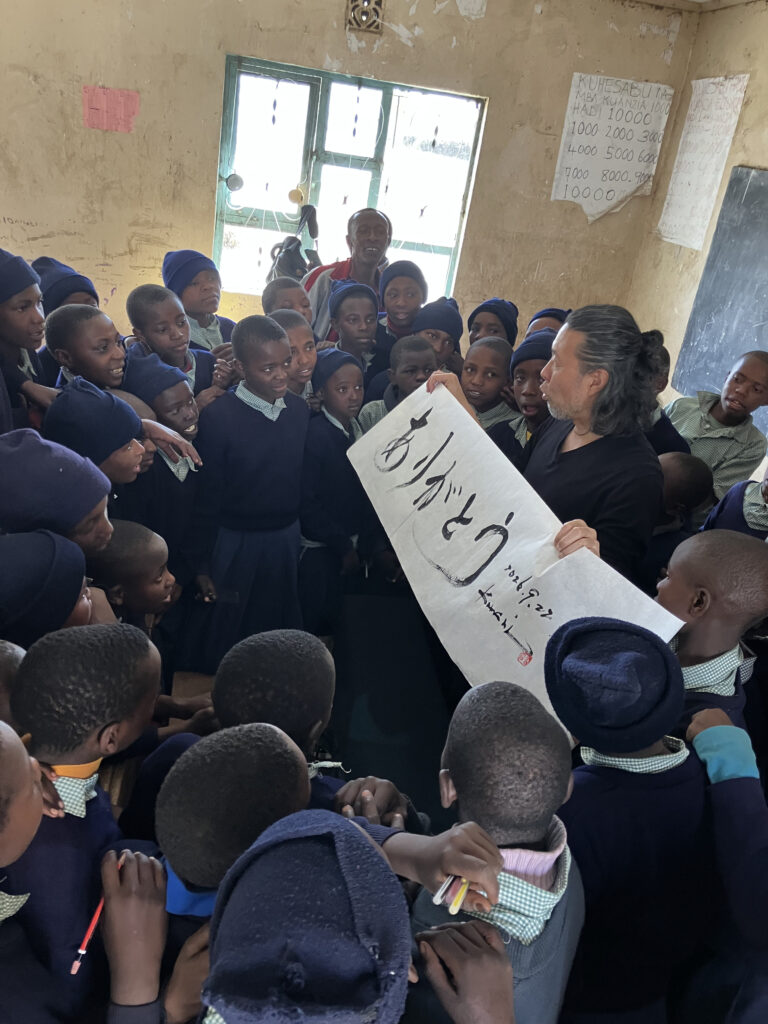
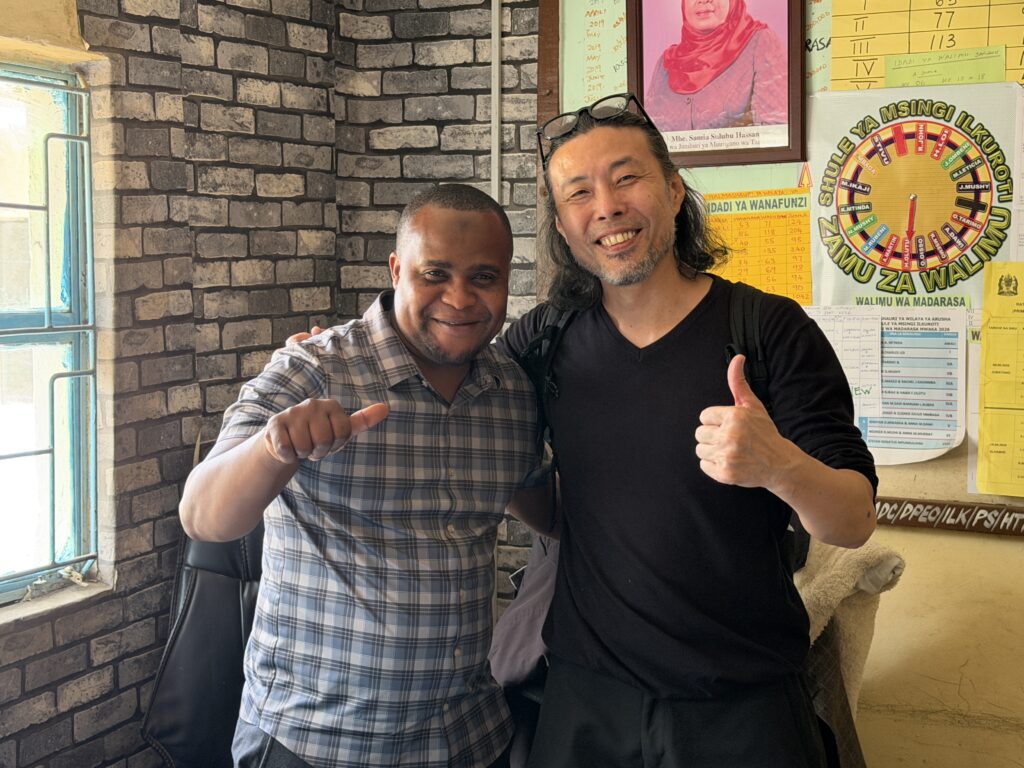
After an unexpected meeting with the head teacher, I was given the wonderful opportunity to teach a special class about Japanese greetings and expressions of gratitude.
In Swahili: Asante
In Maasai (Maa): Ashe
In Japanese: Arigatou — ありがとう
So, I picked up my brush and wrote:
「ありがとう」
— Thank you.
The children also did a wonderful job writing “Arigatou” themselves!
I hope this small cultural exchange inspires the Maasai children to become curious about Japan, just as I have become even more fascinated by their culture.
マサイ族の集落
Arusha, Tanzania
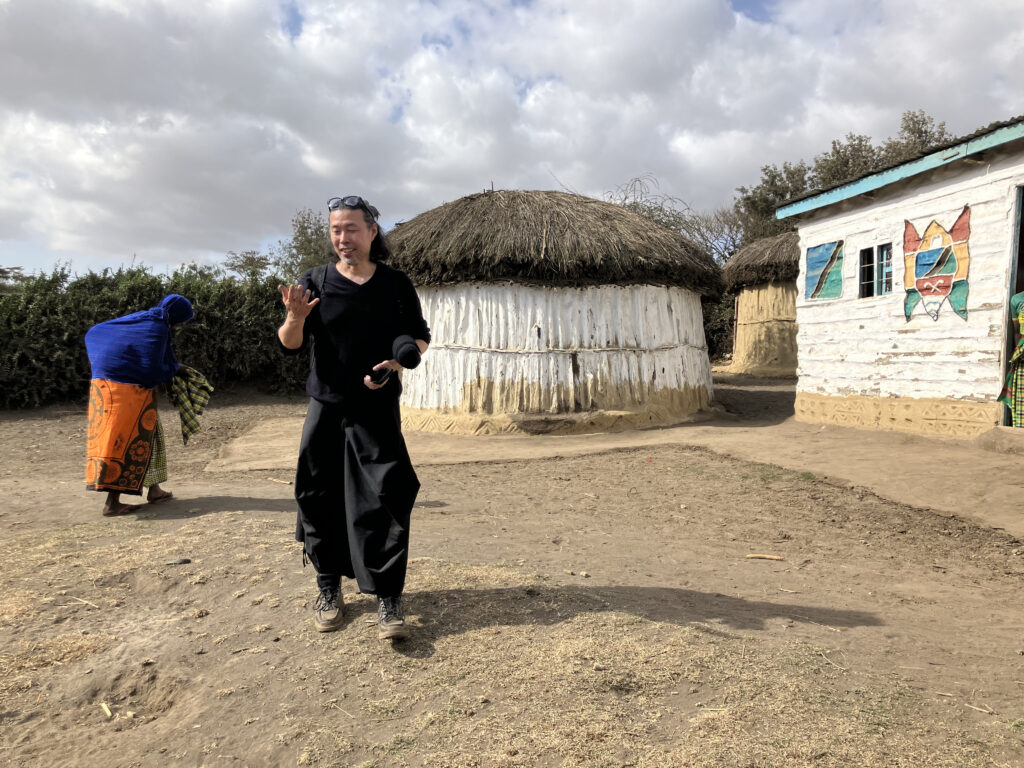
Visiting a Maasai Village!
At last, I had the opportunity to meet the Maasai people!
Before coming here, my image of the Maasai was of warriors performing their famous jumping dance. But I learned that this is often part of the experience presented in tourist areas.
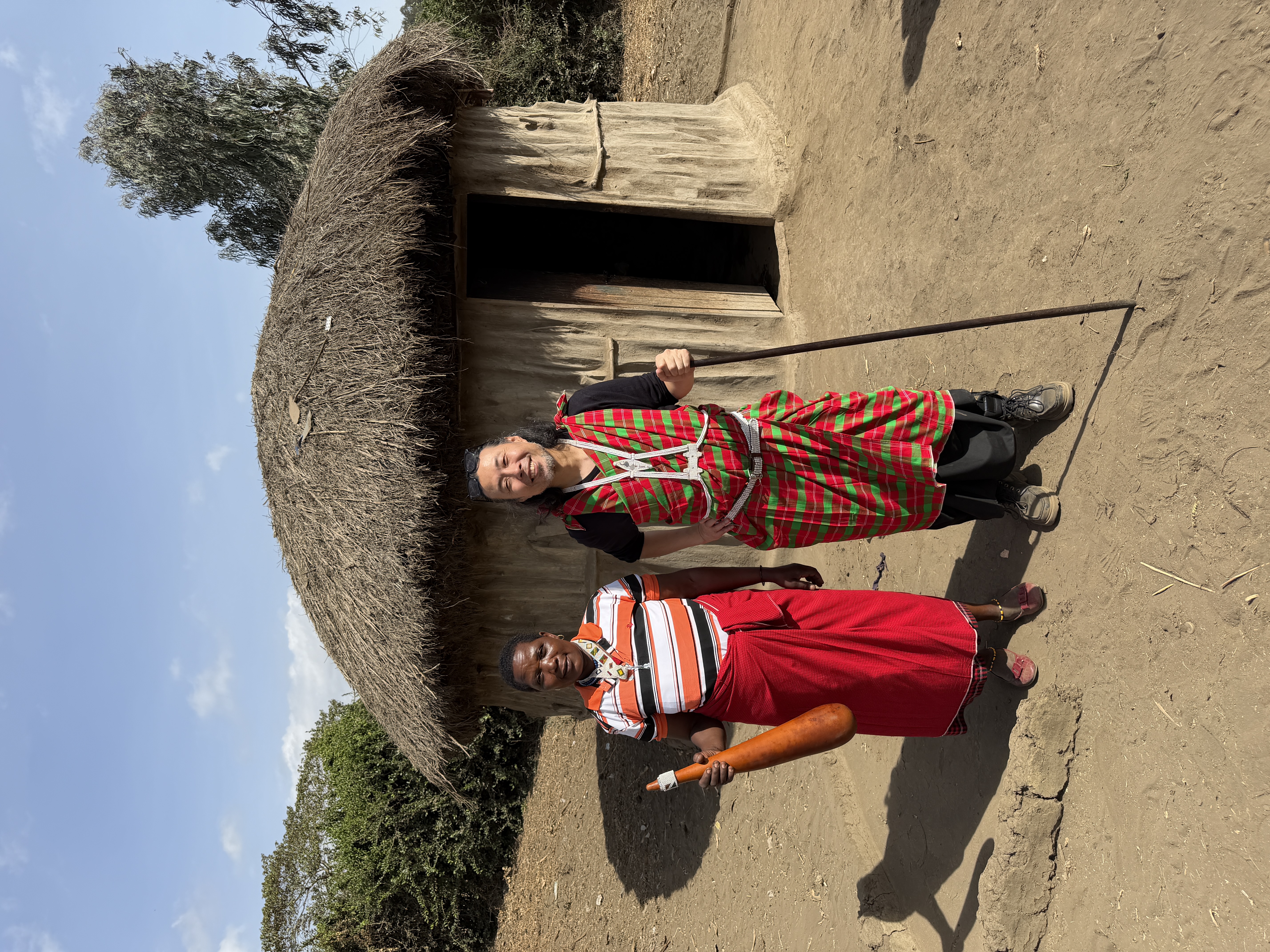
Today, instead, I was fortunate enough to visit a Maasai family and experience a glimpse of their everyday life.
The Maasai are an Indigenous ethnic group living mainly across southern Kenya and northern Tanzania, with an estimated population of several hundred thousand. They speak Maa, and traditionally have a pastoral way of life centered around livestock.
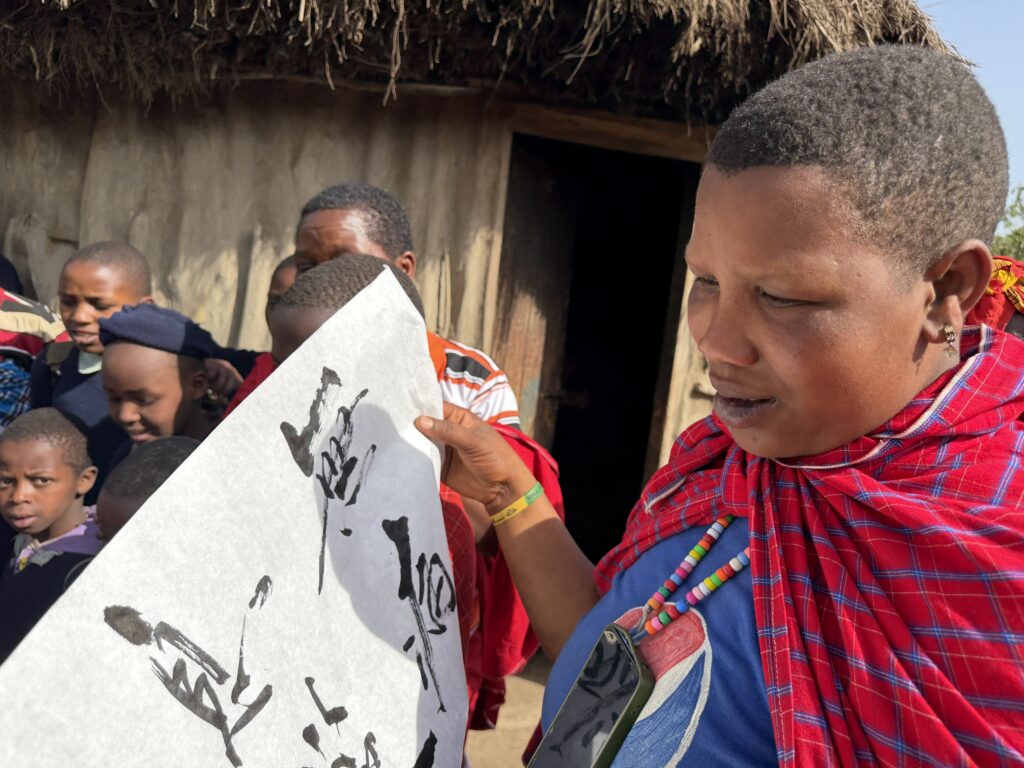
Because many of the men spend long periods away herding cattle, it is common for women and children to remain in the village. We had the opportunity to sit together and hear about their daily lives, including some of the challenges they face.
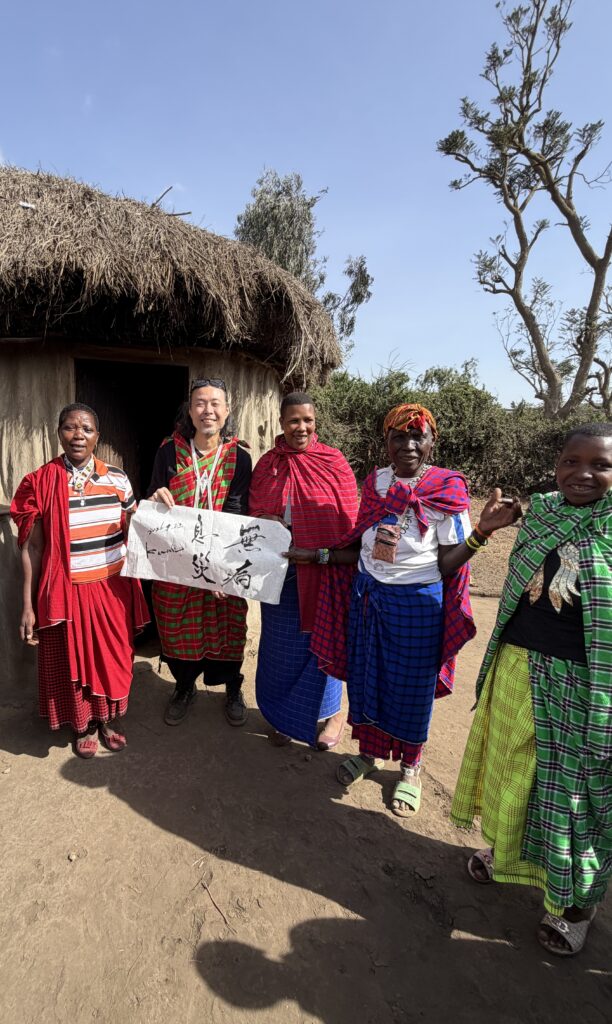
I also had the honor of wearing traditional Maasai clothing.
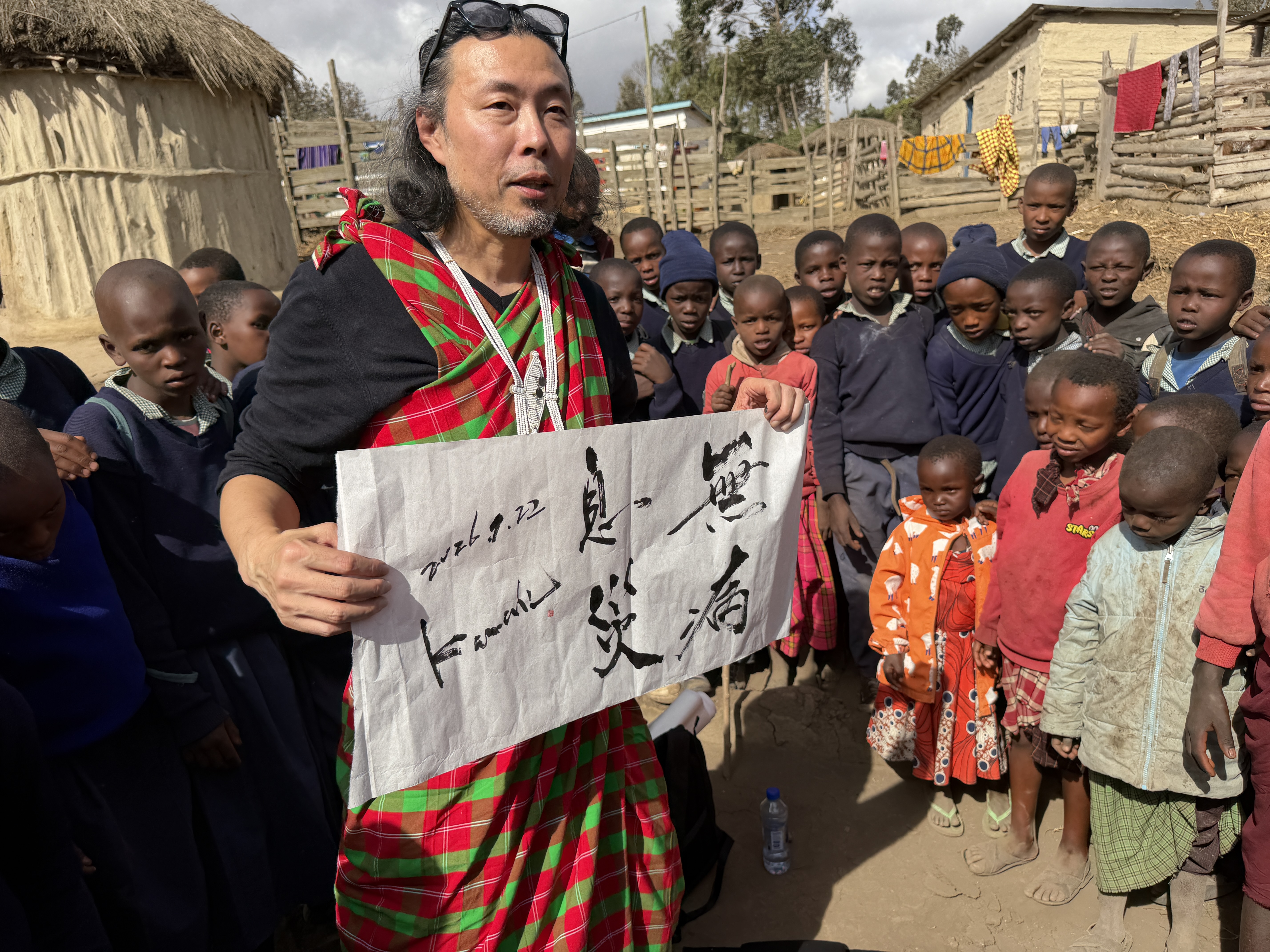
As a small gesture of gratitude, I presented them with a piece of Japanese calligraphy:
「無病息災」
Mubyō SokUSai
— a traditional Japanese expression wishing for good health and freedom from illness and misfortune.
I created it with the hope that everyone in the community will continue to live safely and in good health.
I was so happy to see them receive it warmly, and I hope they will display it in their home as a small connection between Japan and the Maasai community.
South Africa
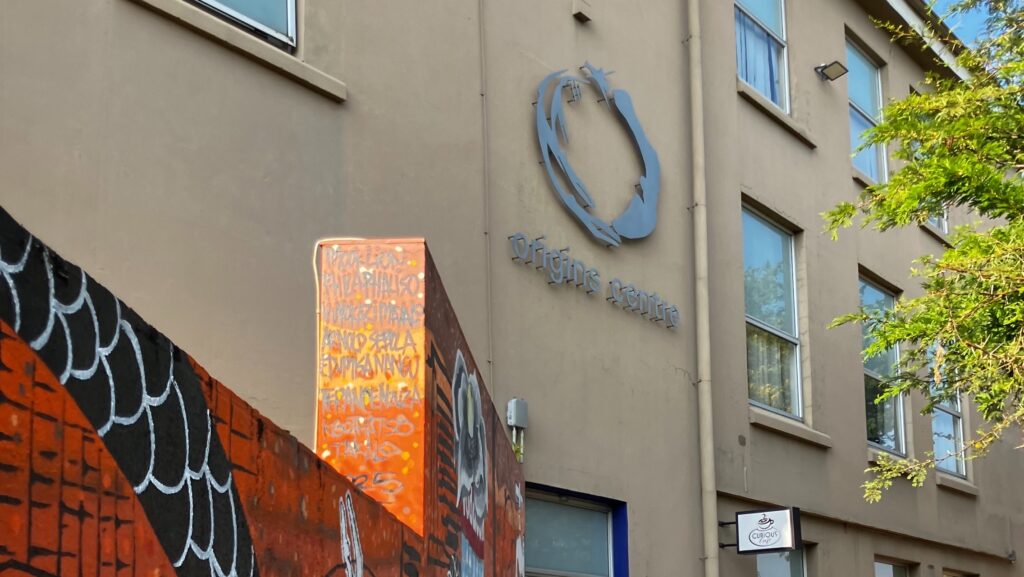
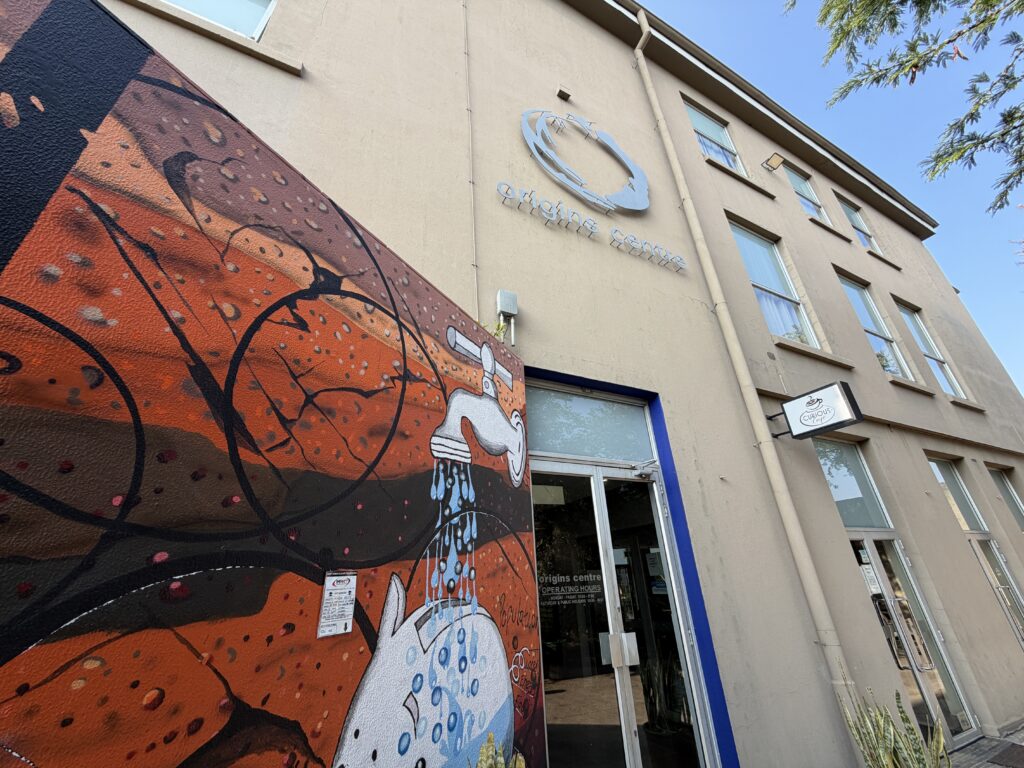
Origins center
Johannesburg, South Africa
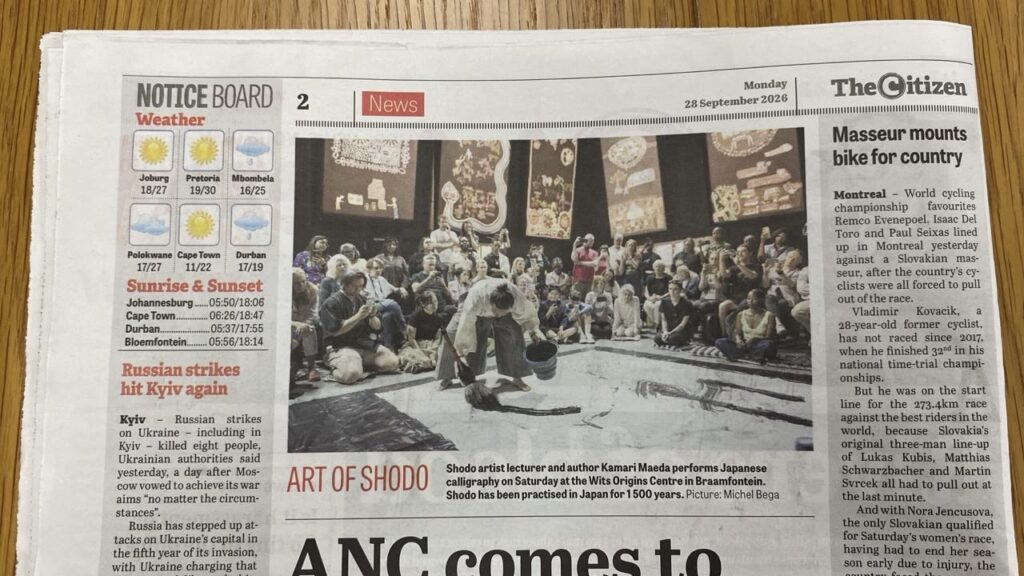
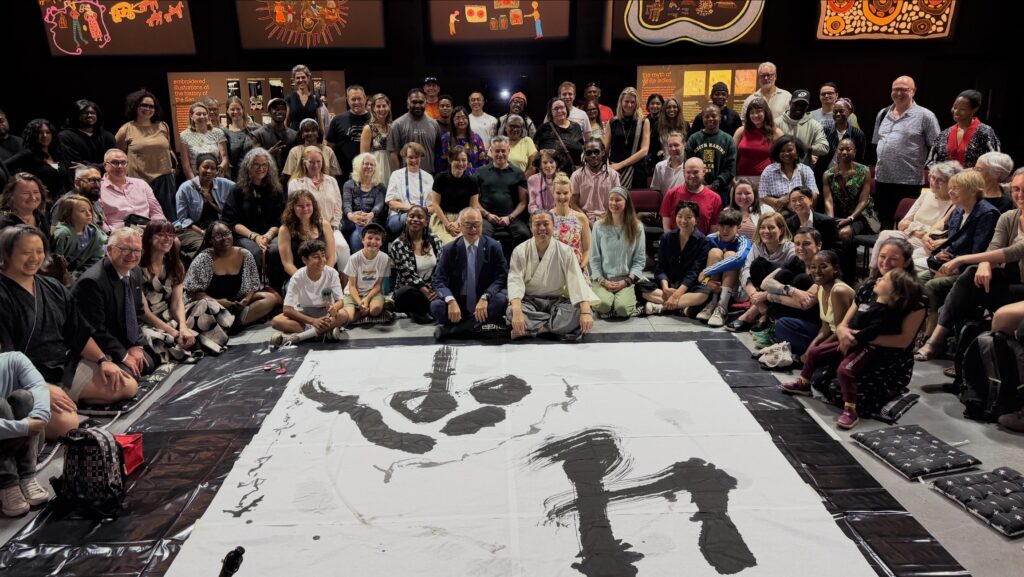
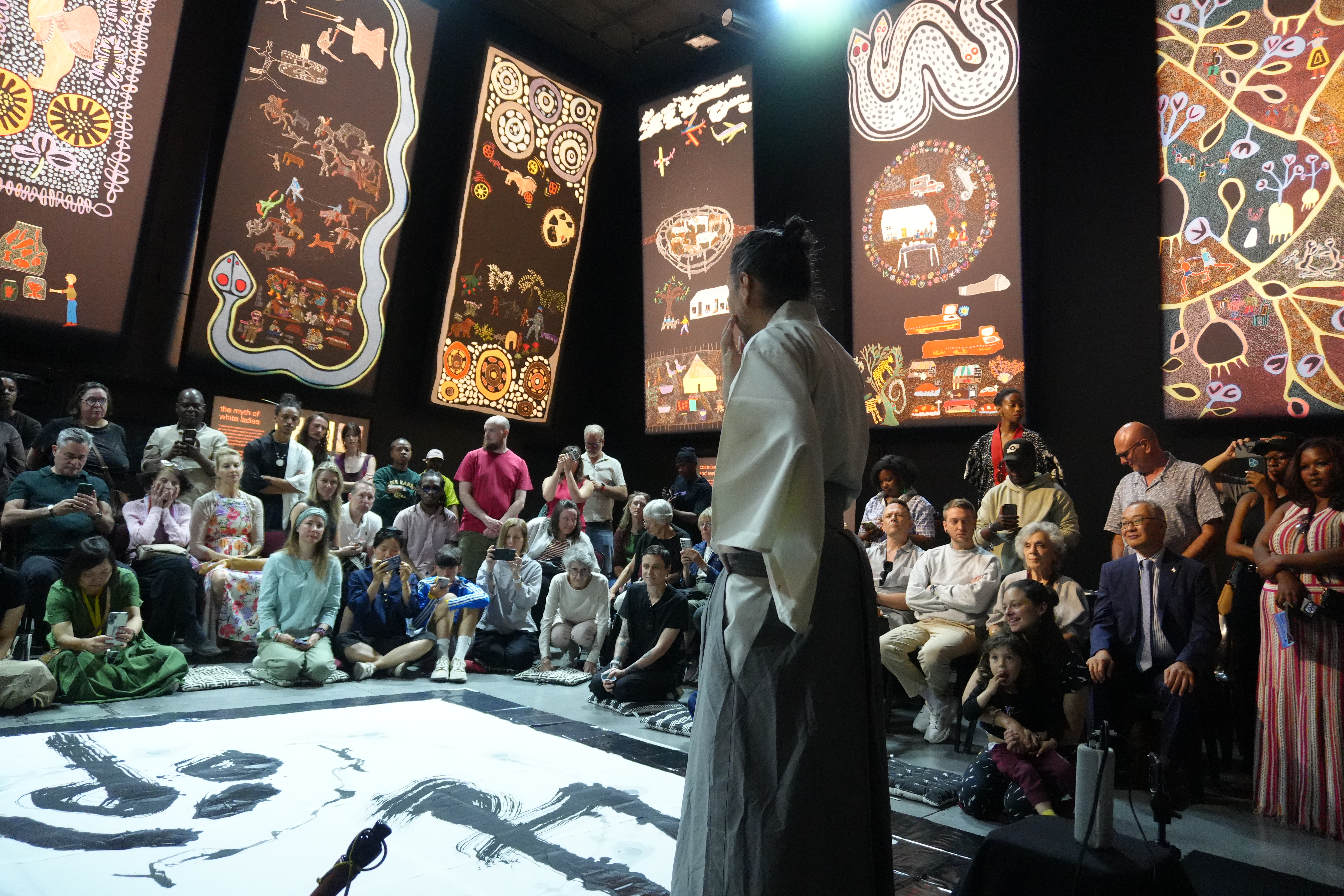
WITS ORIGINS CENTRE
This museum features exhibits ranging from bones and fossils from Africa—the cradle of humanity—and the history of human evolution to a fusion of these themes with contemporary art, as well as one of the world’s premier collections of rock art.
https://www.wits.ac.za/origins/
Before the performance, I had the opportunity to explore the museum.
Standing before the art left behind by our ancestors, I felt as though I was encountering messages they had entrusted to the future.
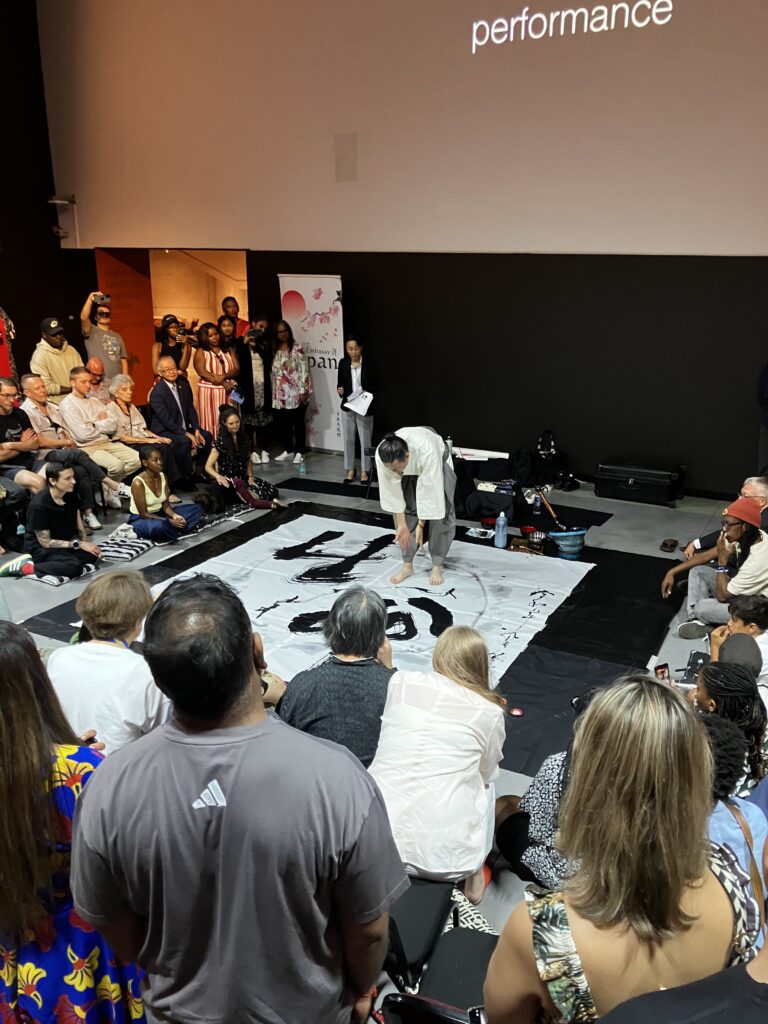
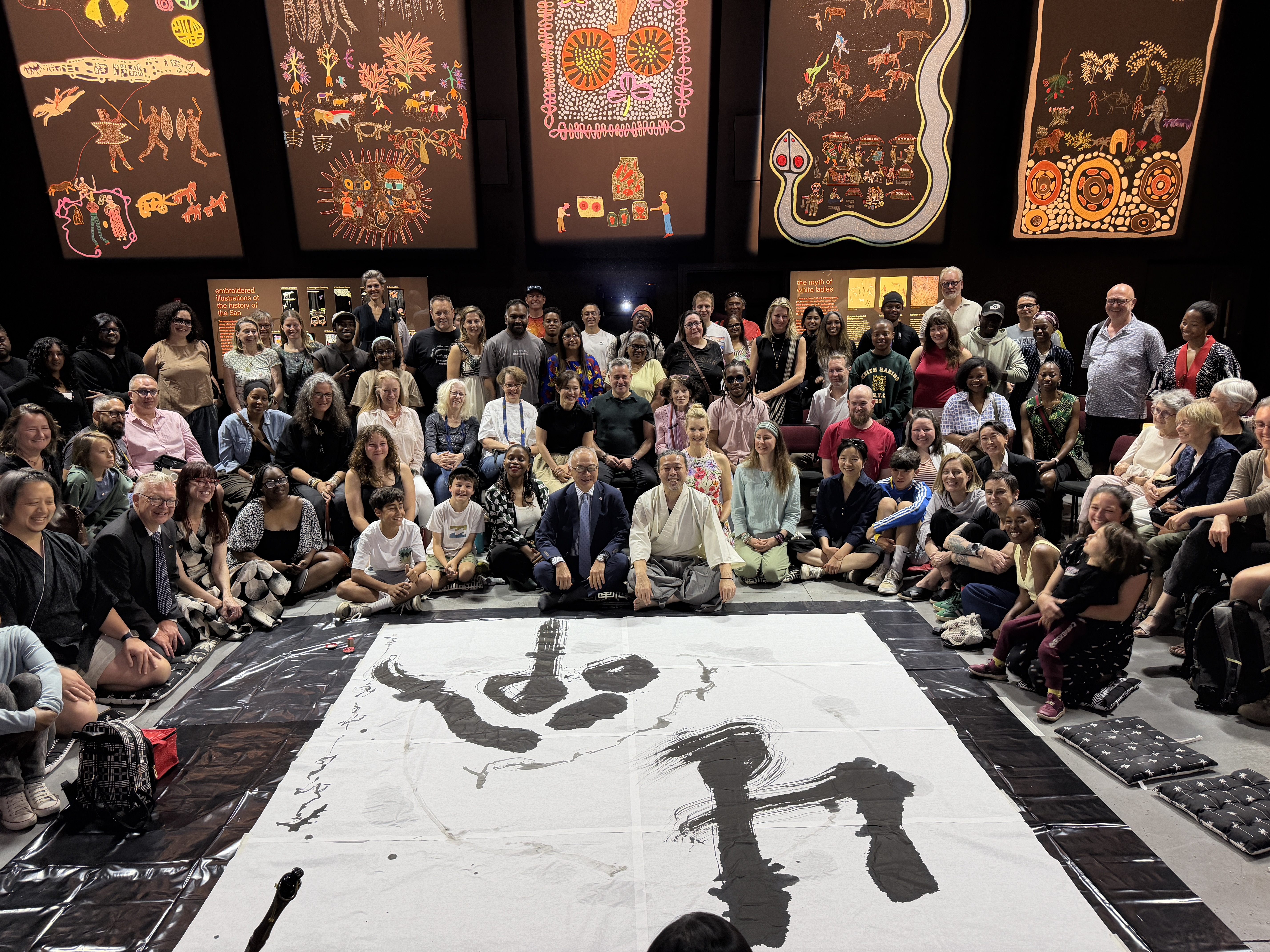
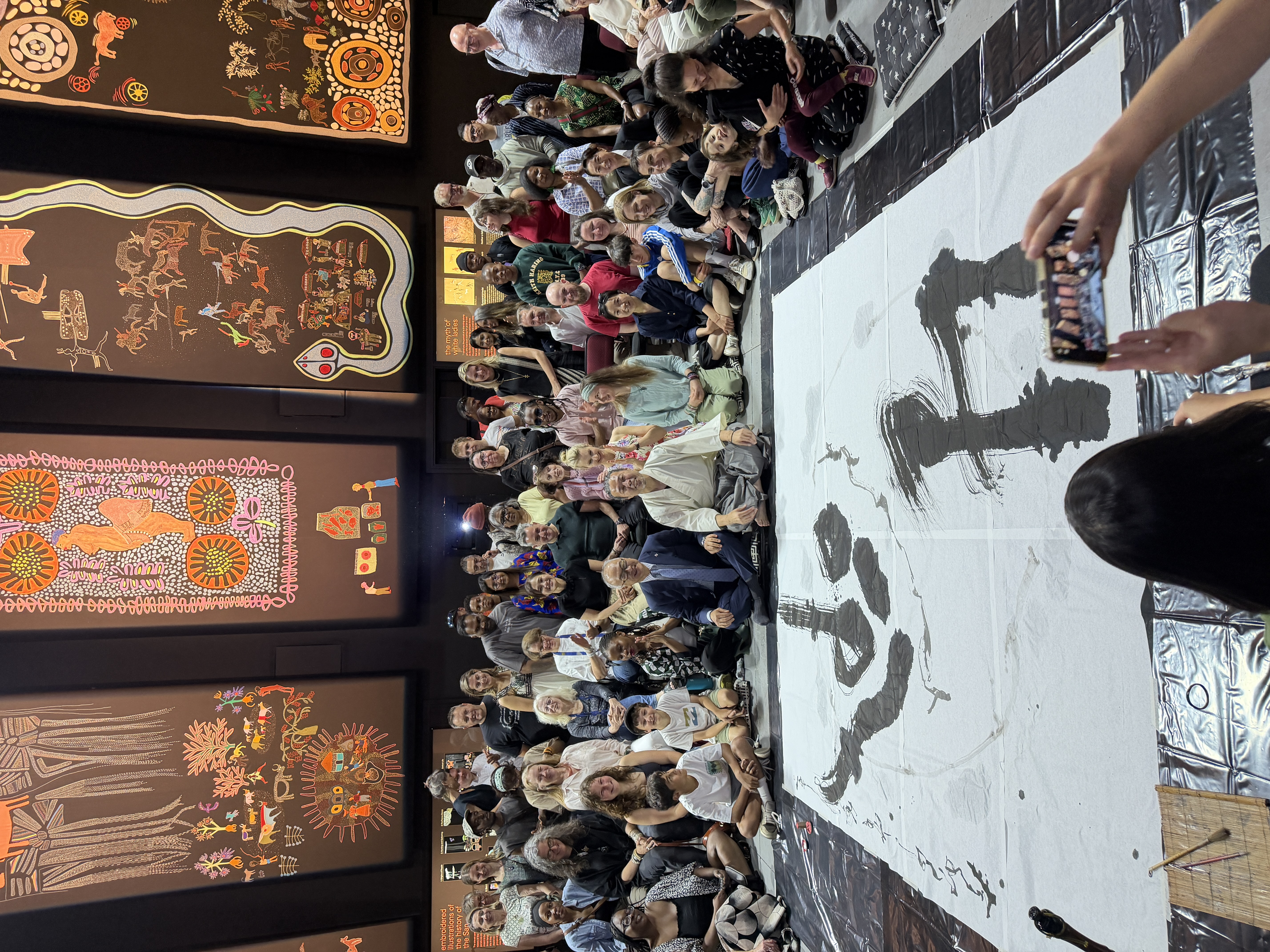
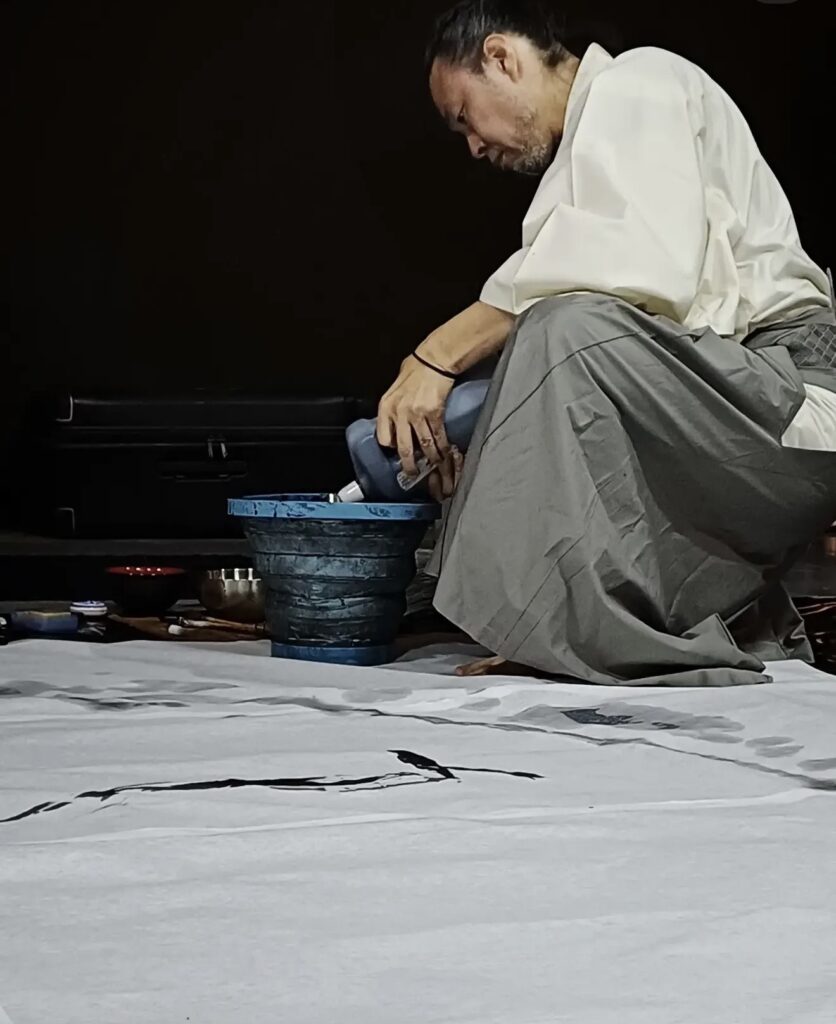
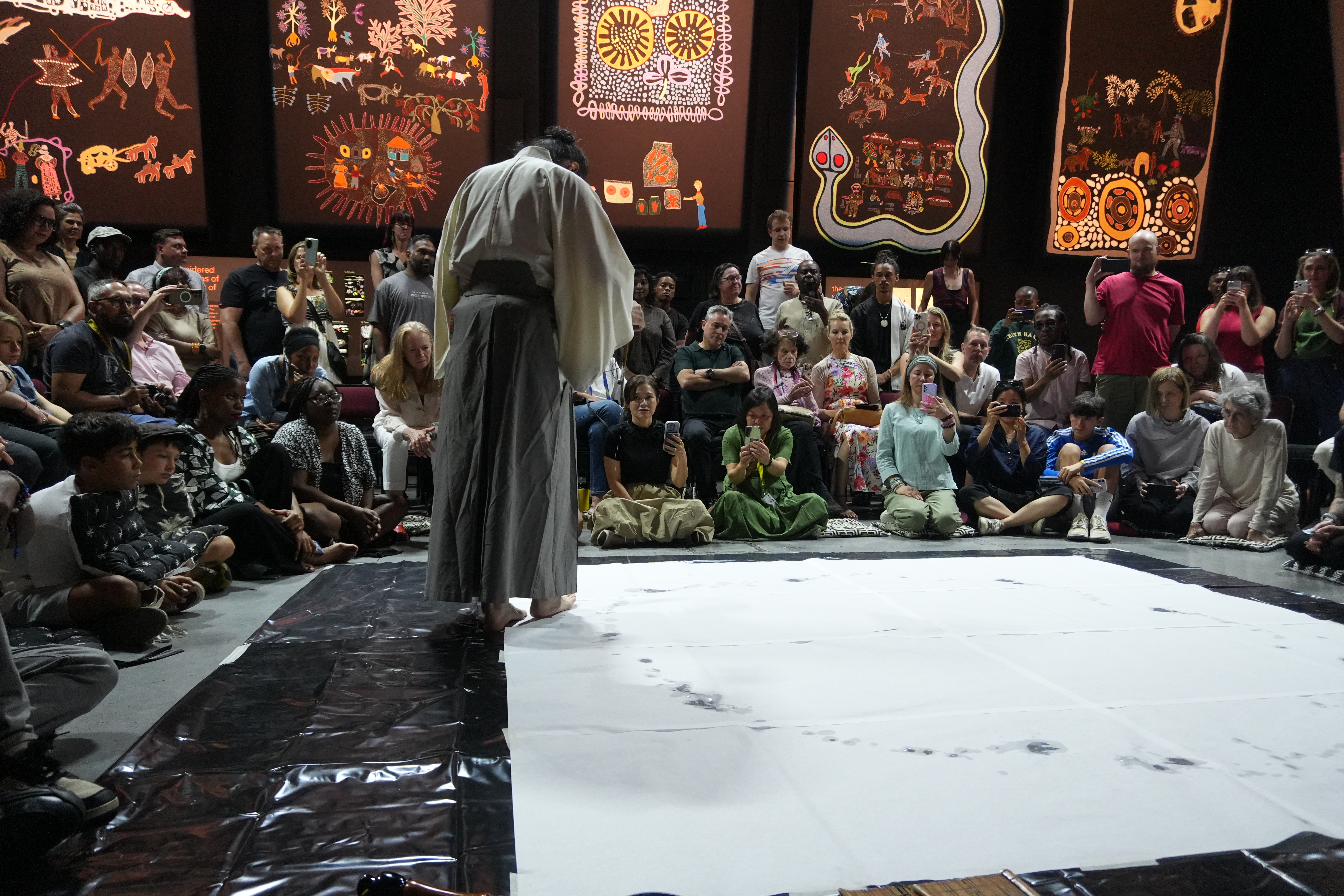
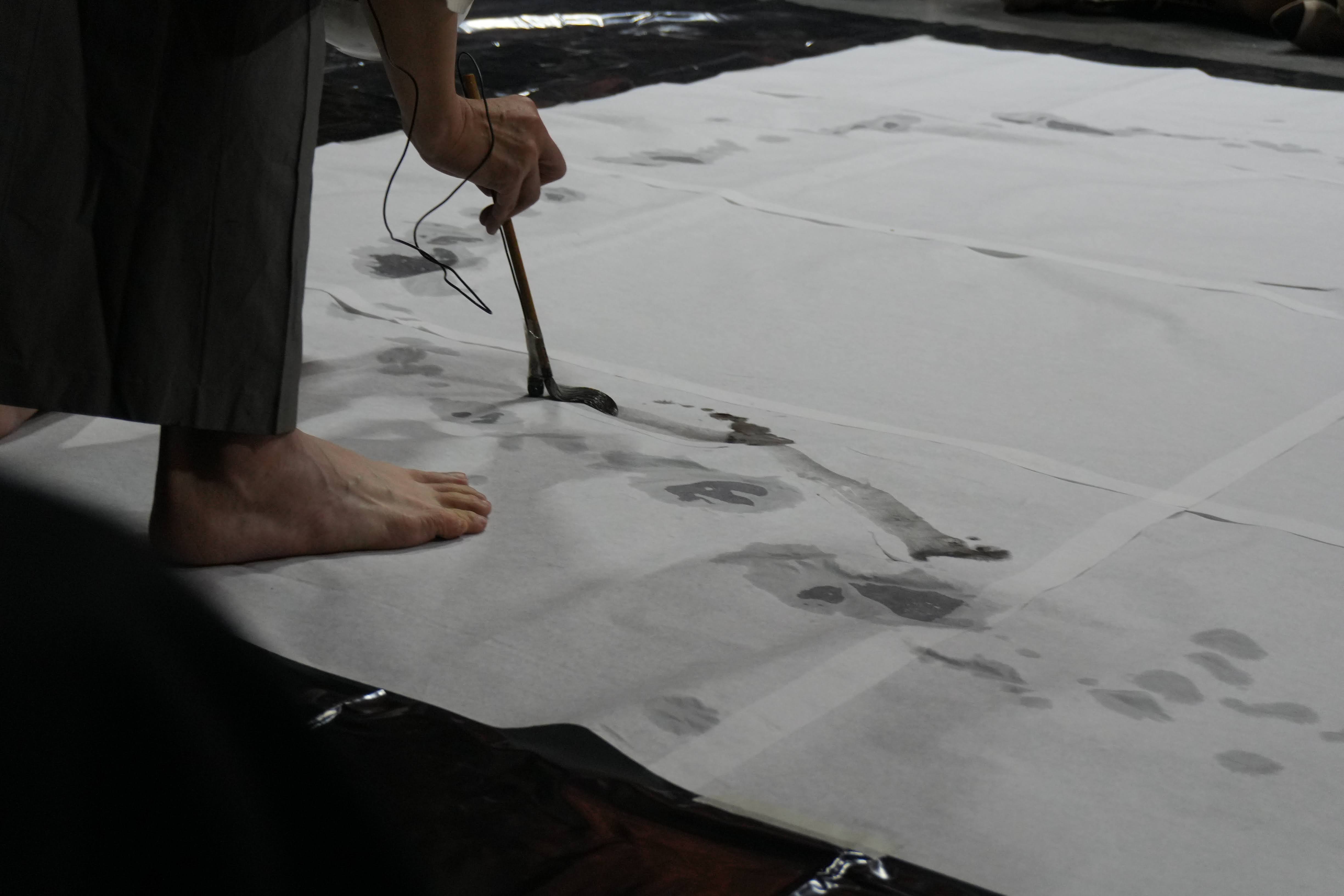
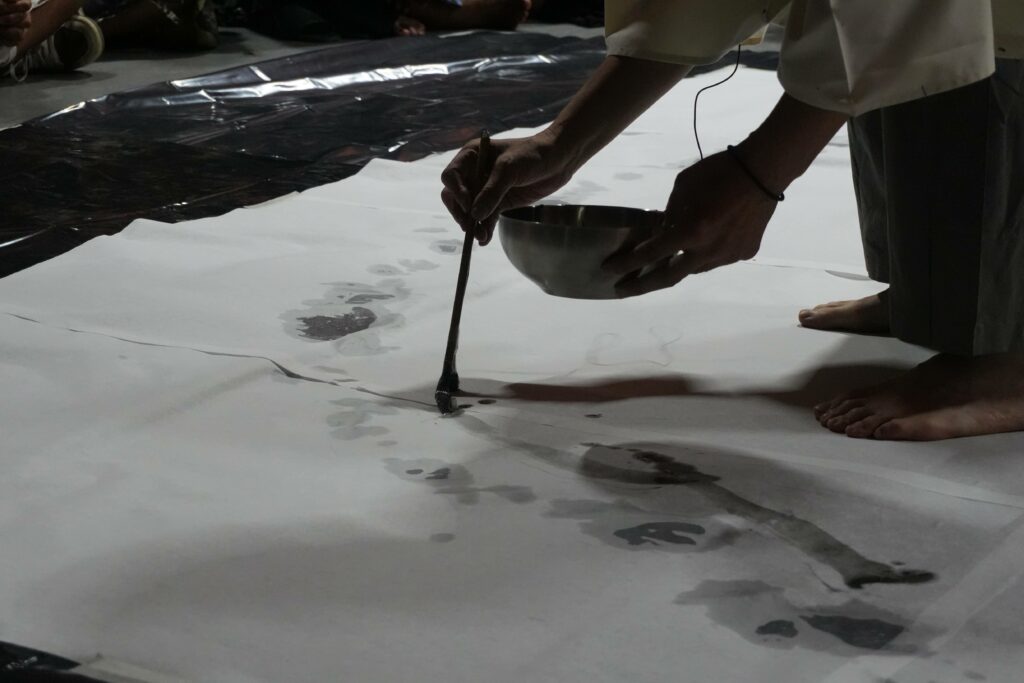
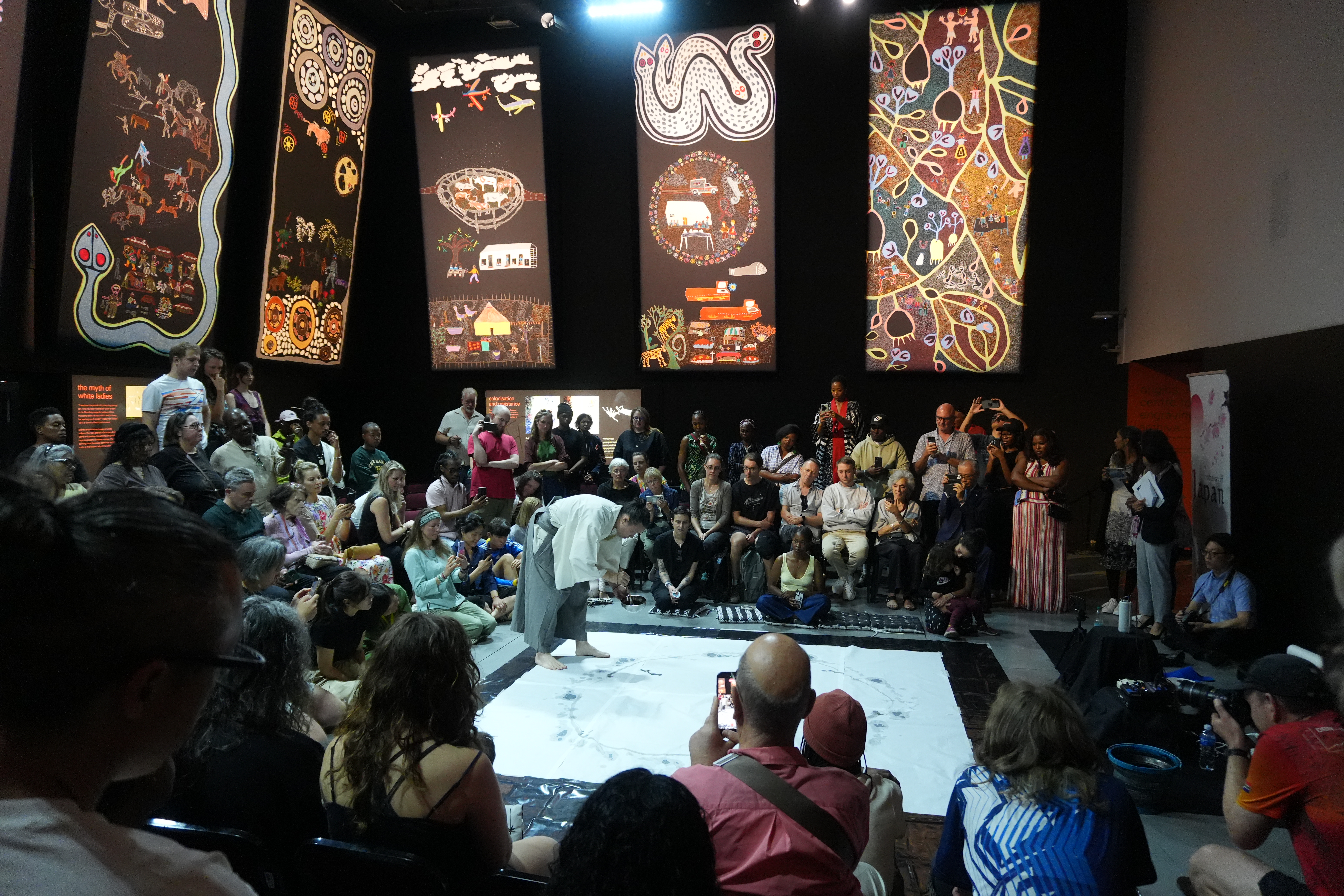
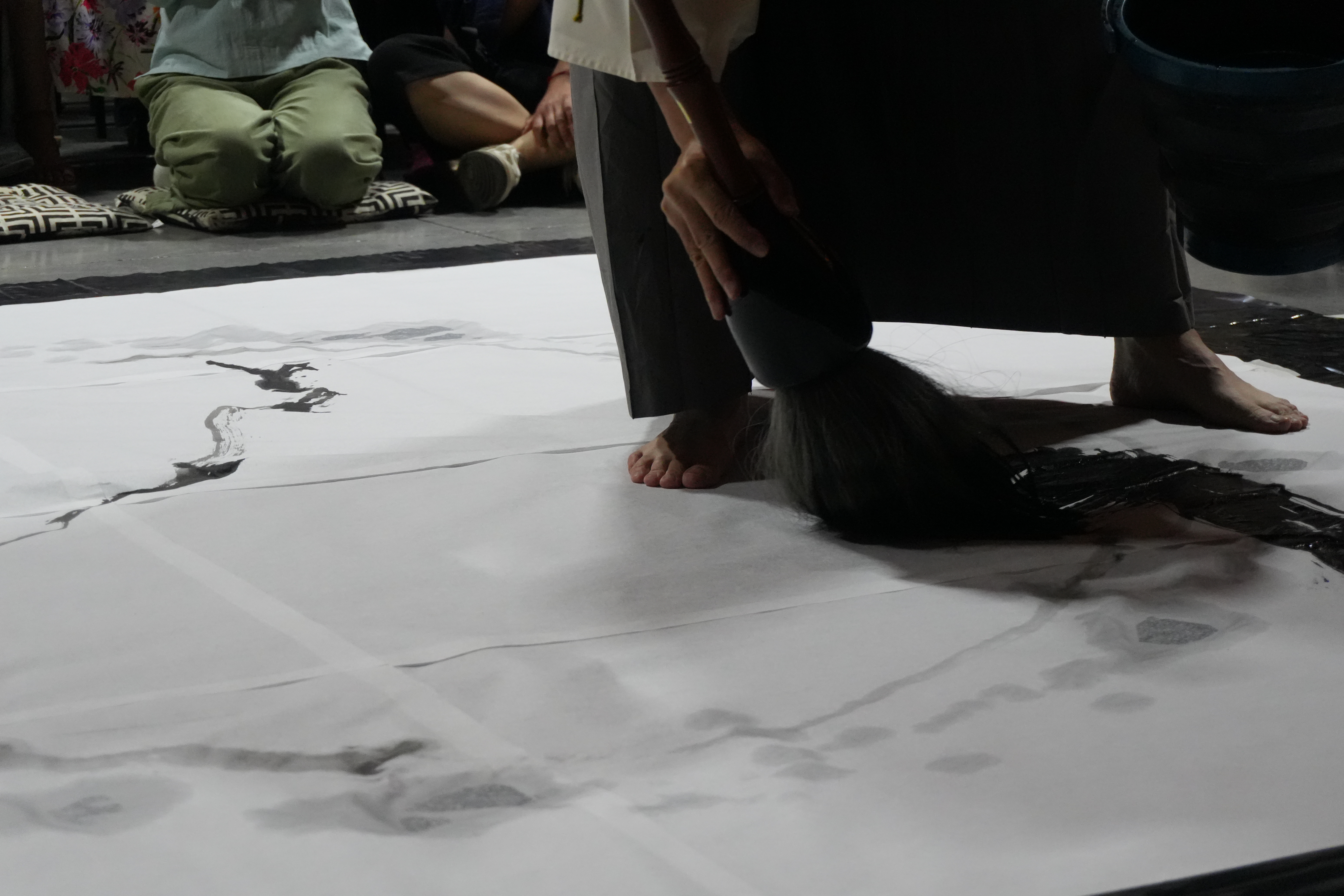
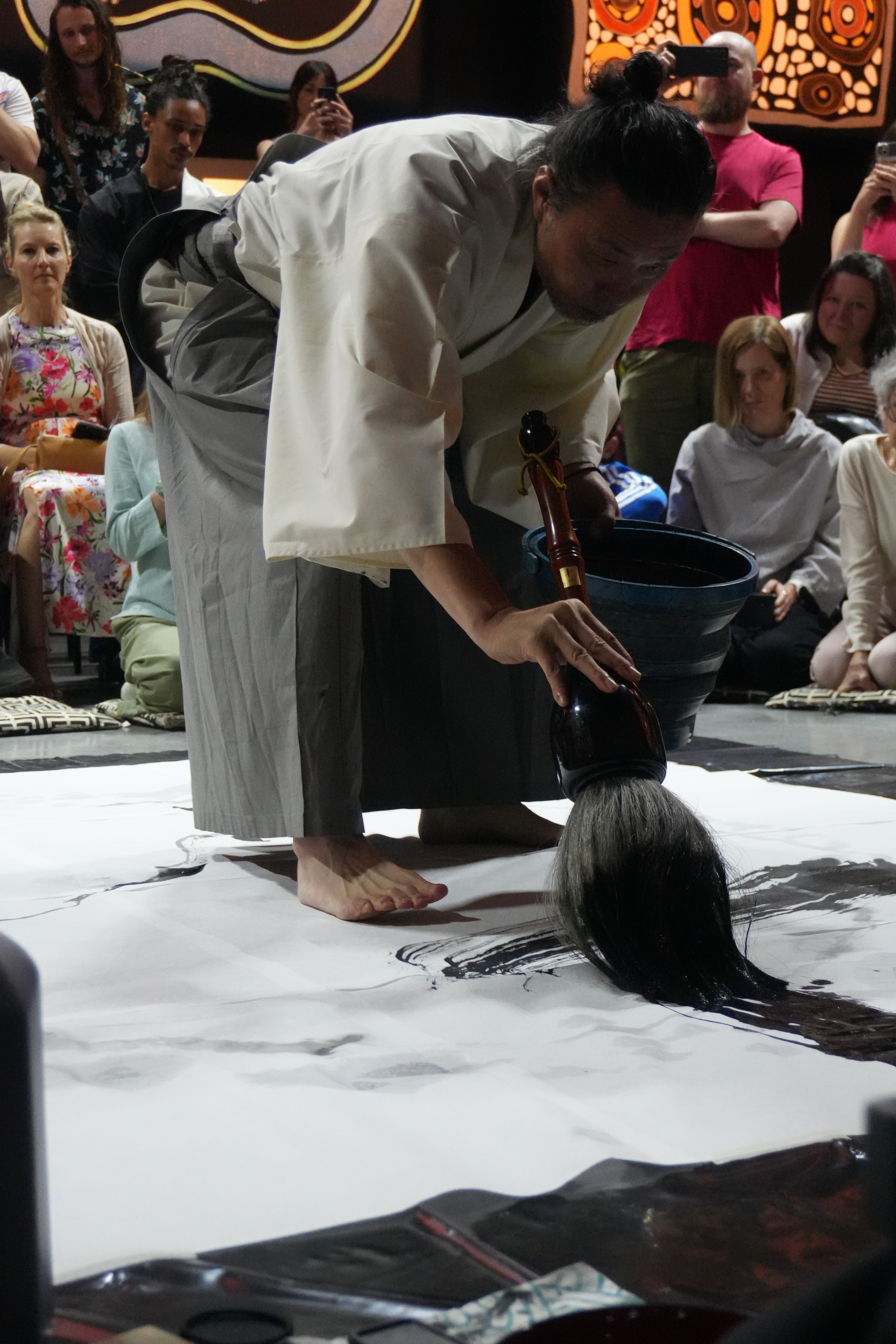
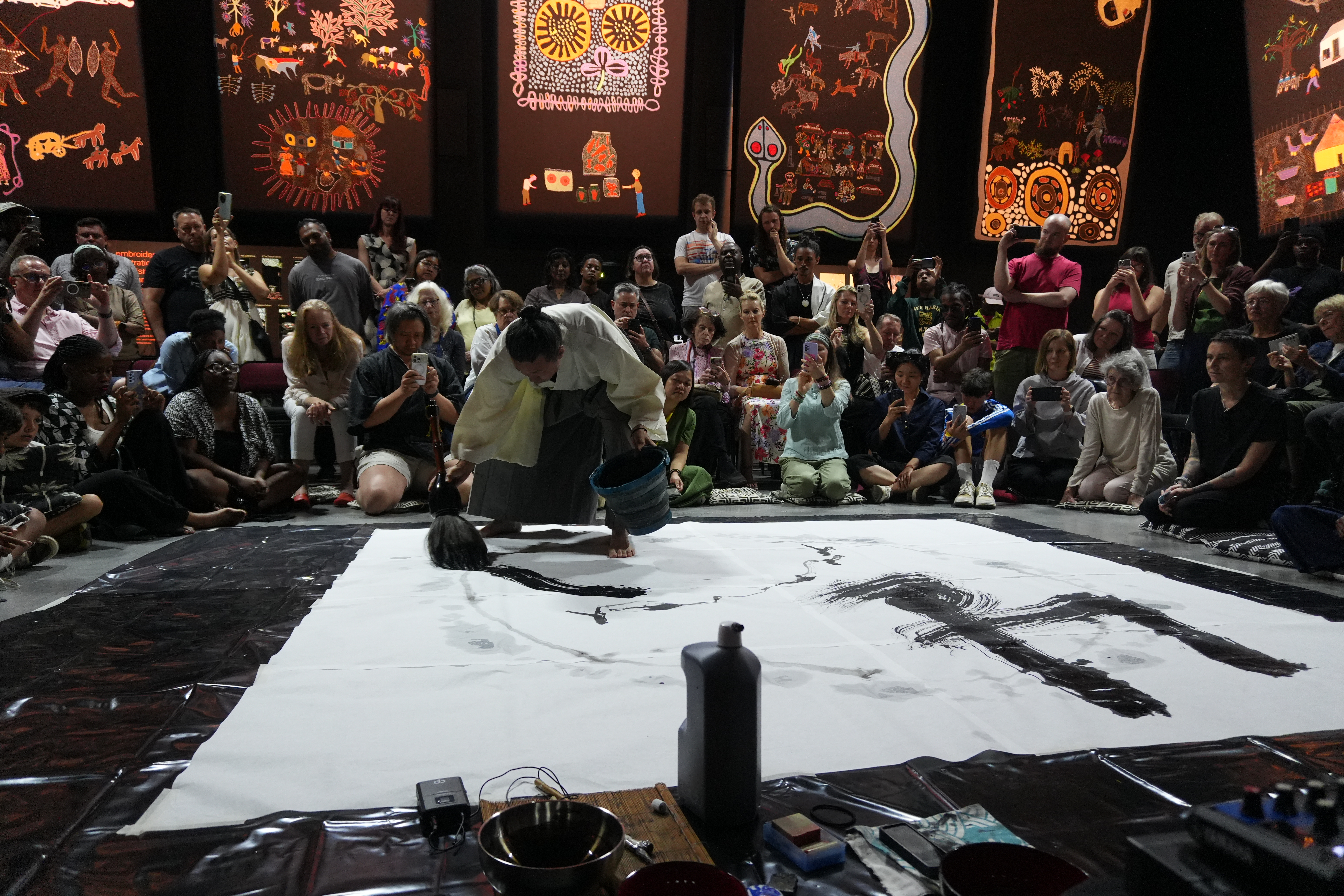
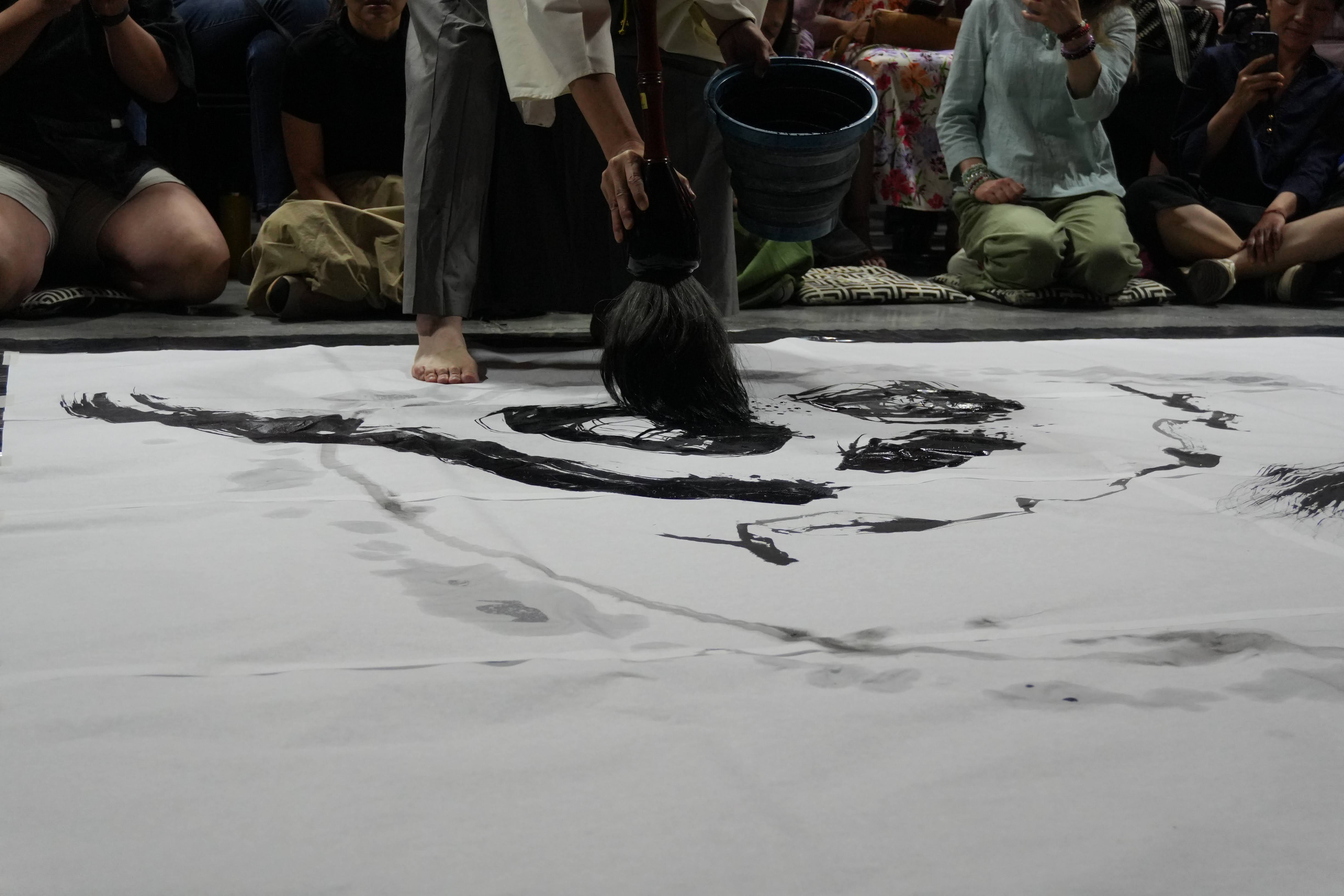
Inspired by those traces of humanity, I created this GRANICA performance.
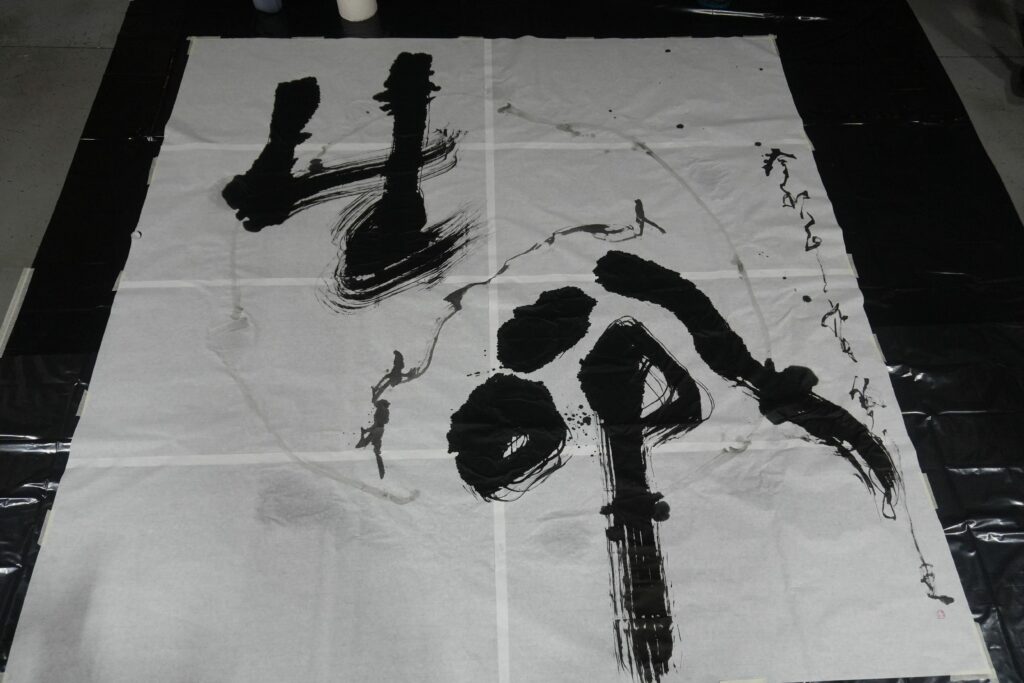
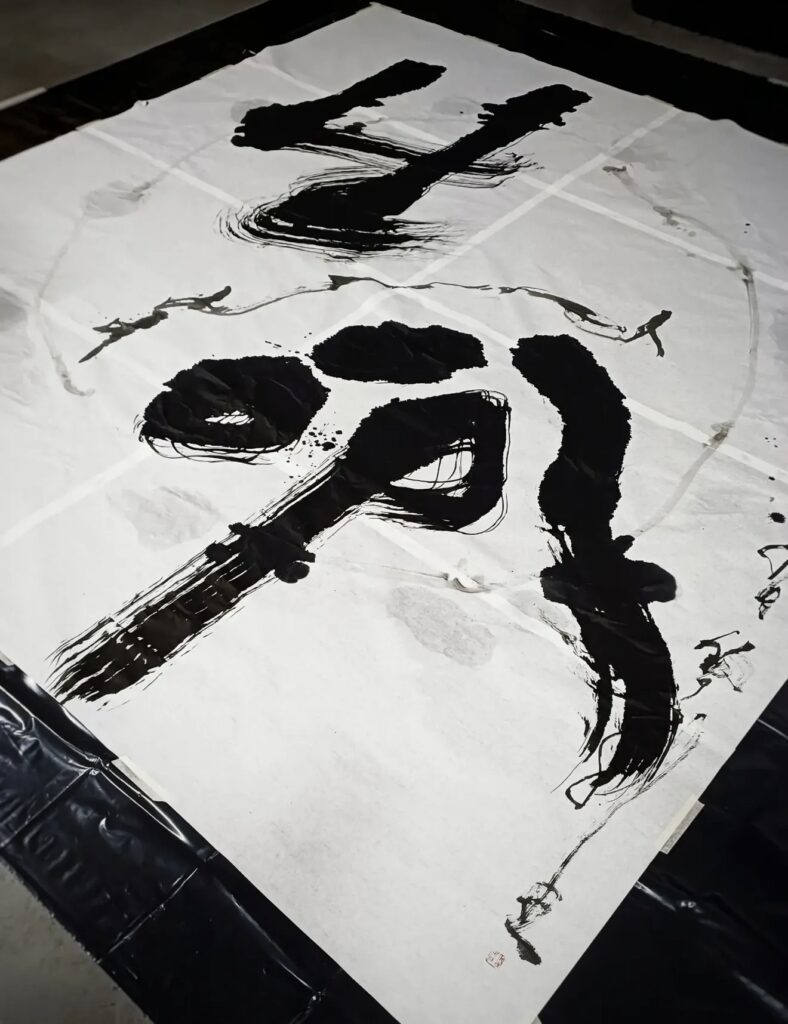
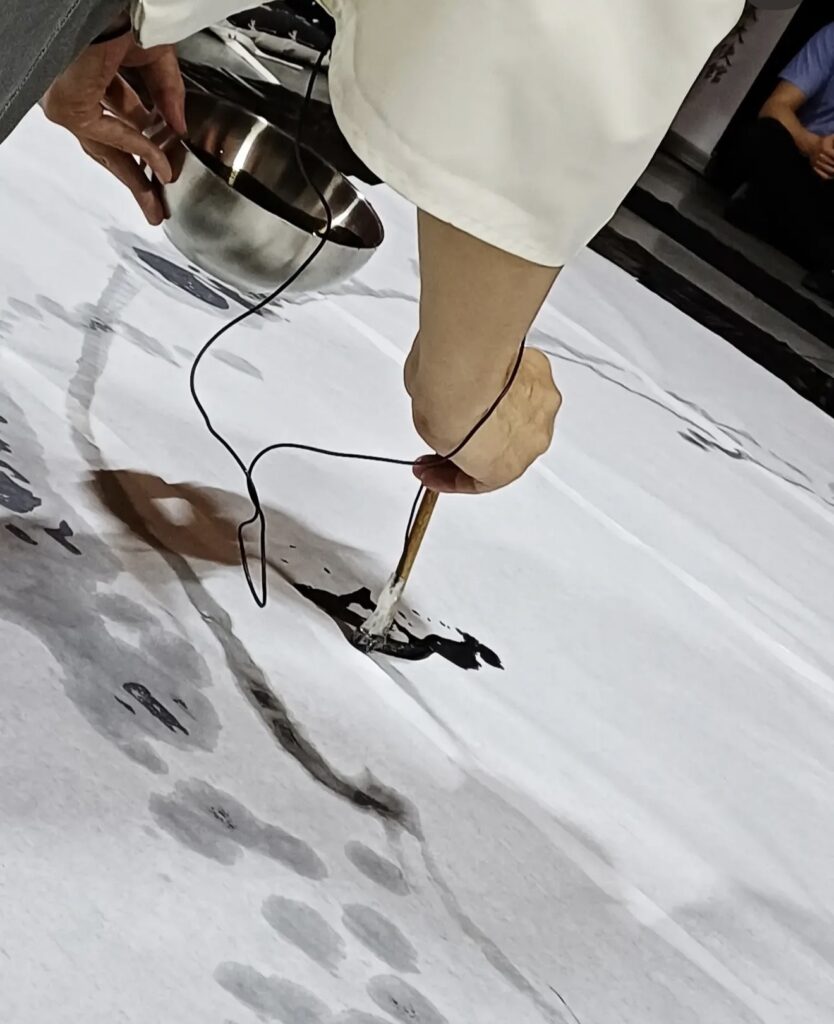
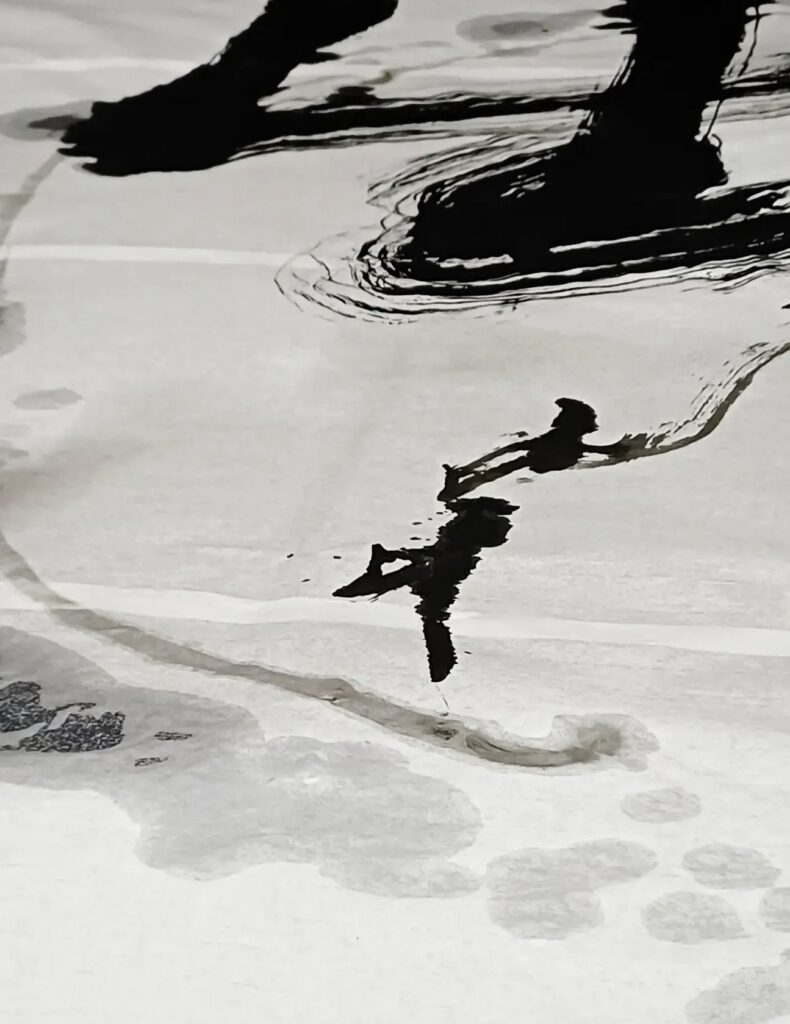
I painted the Earth — our “water planet” — with water.
On the land, I expressed GRANICA.
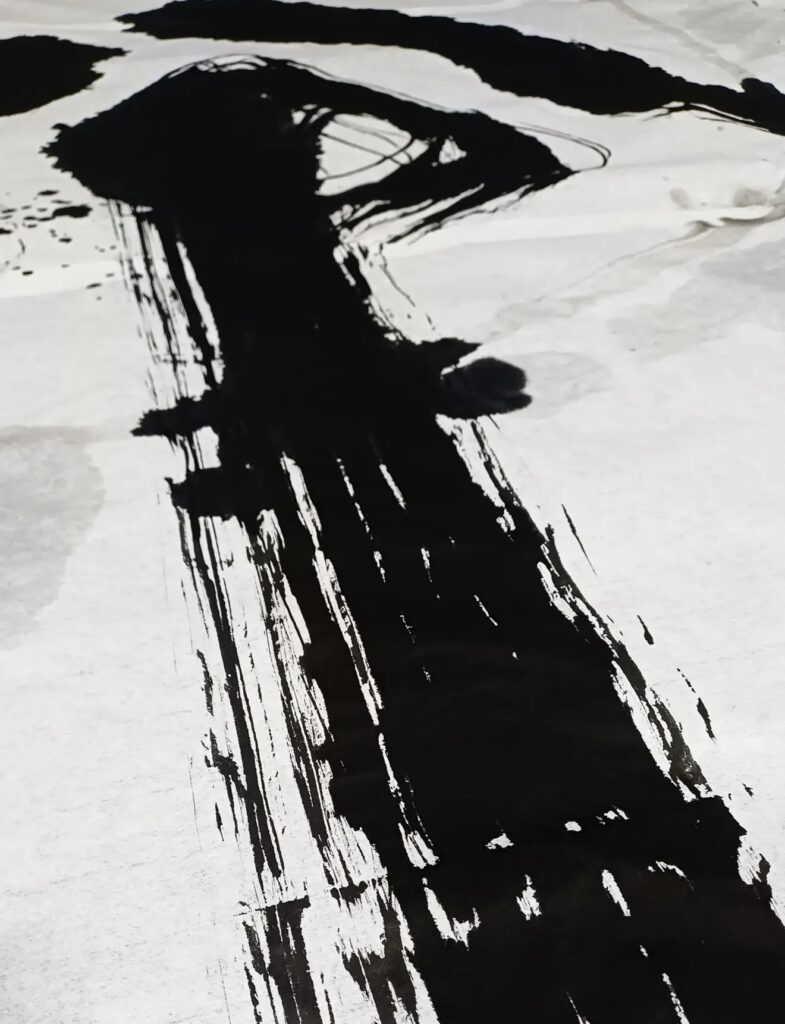
Beginning in Africa, I wrote the character “人” (human/person) repeatedly, tracing the journey of humankind all the way to Japan as one continuous line.
Finally, with a large brush, I wrote: 「生命」 Life
We were born here in Africa.
Over an immense span of time, humanity migrated across the planet, encountering and intermingling with different peoples, eventually reaching as far as Japan.
And our evolution will continue.
How have we lived until now?
And how should we live from here?
These are questions we must continue to contemplate as we live and move forward.
At the Wits Origins Centre, I felt that traces of the answers to these questions could be found everywhere.
Across borders.
Beyond race.
Beyond ethnic boundaries.
Here in Africa, where humanity began and where people have crossed countless boundaries throughout history, I felt the true spirit of diversity alive around me.
I am also deeply honored that this artwork will officially become part of the Wits Origins Centre collection.
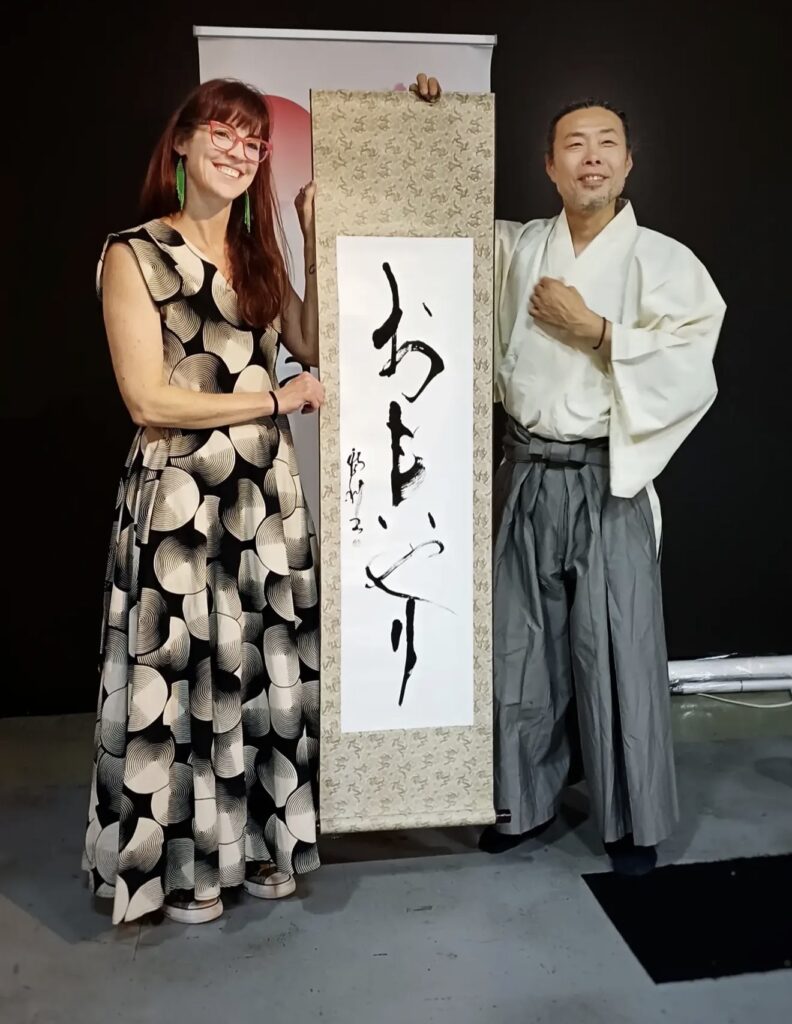
As a token of gratitude, I presented the Centre’s director, Tammy, with a piece of calligraphy:
「おもいやり」
Be Kind
To care for one another.
It is this mutual compassion — the feeling we hold for each other — that truly matters.
My heartfelt gratitude for giving us the opportunity to perform in such an extraordinary and meaningful place.
Thank you from the bottom of my heart.
Comi con Africa
Johannesburg, South Africa
COMIC CON AFRICA
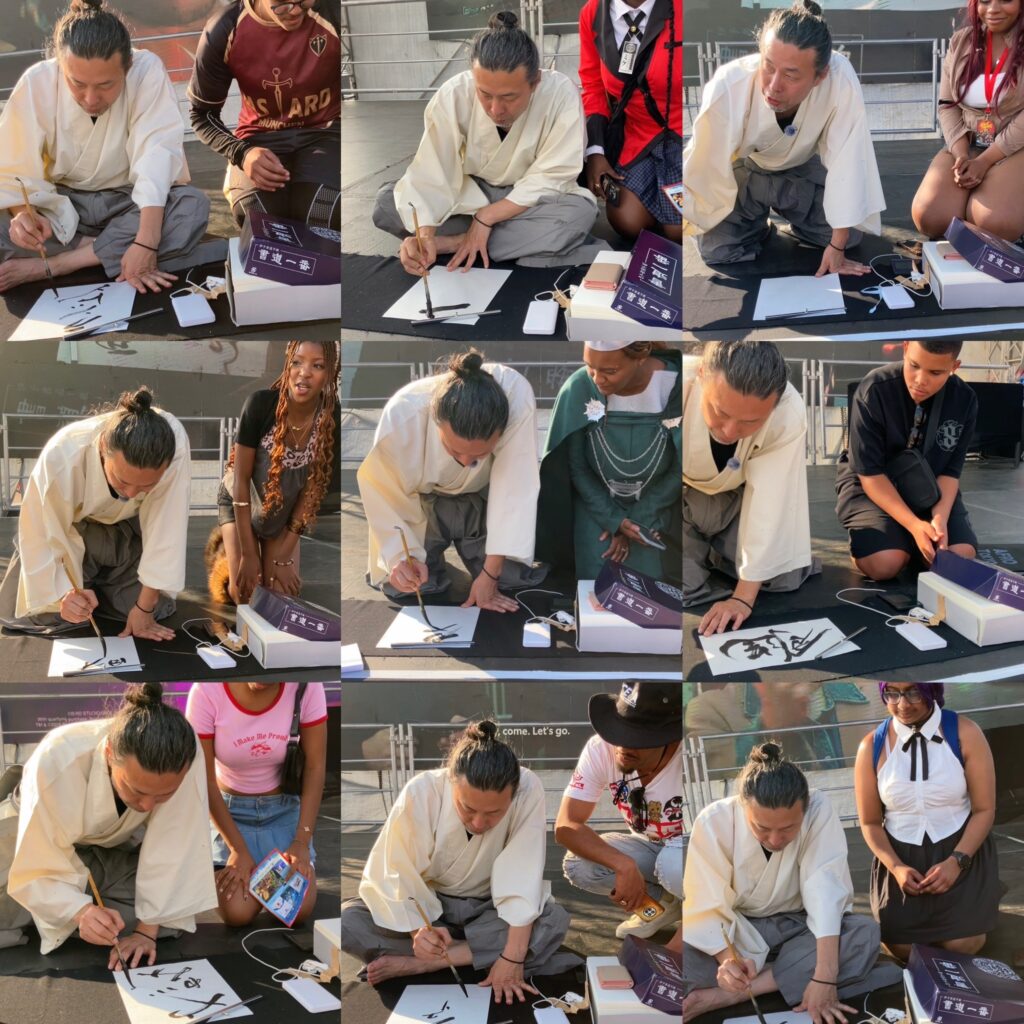
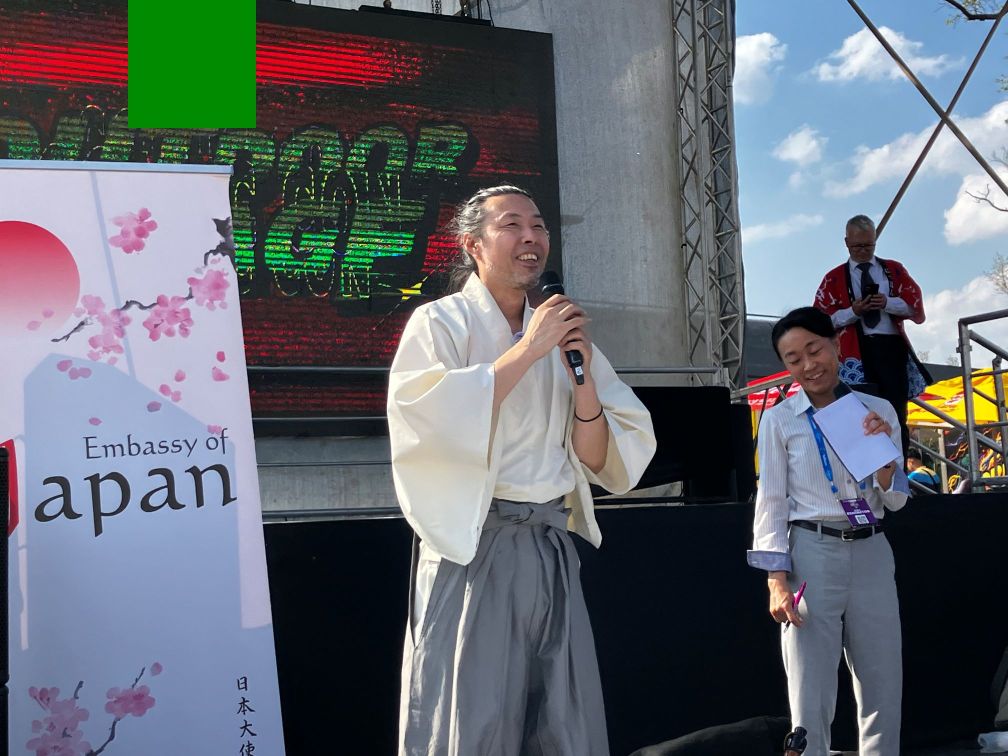
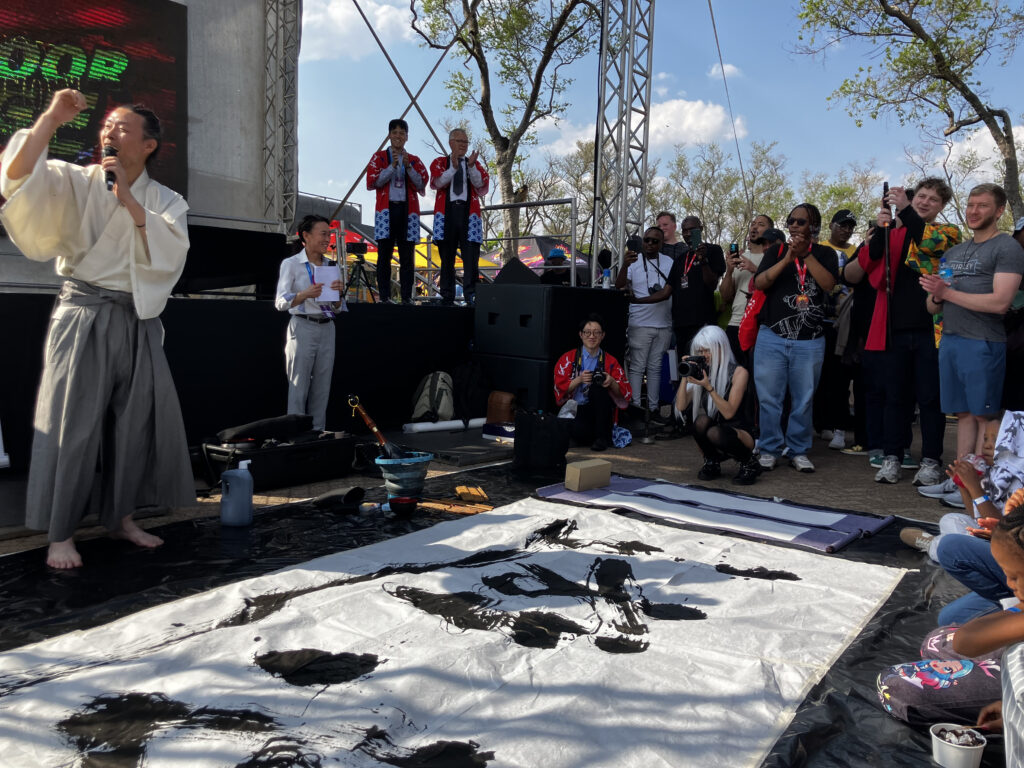
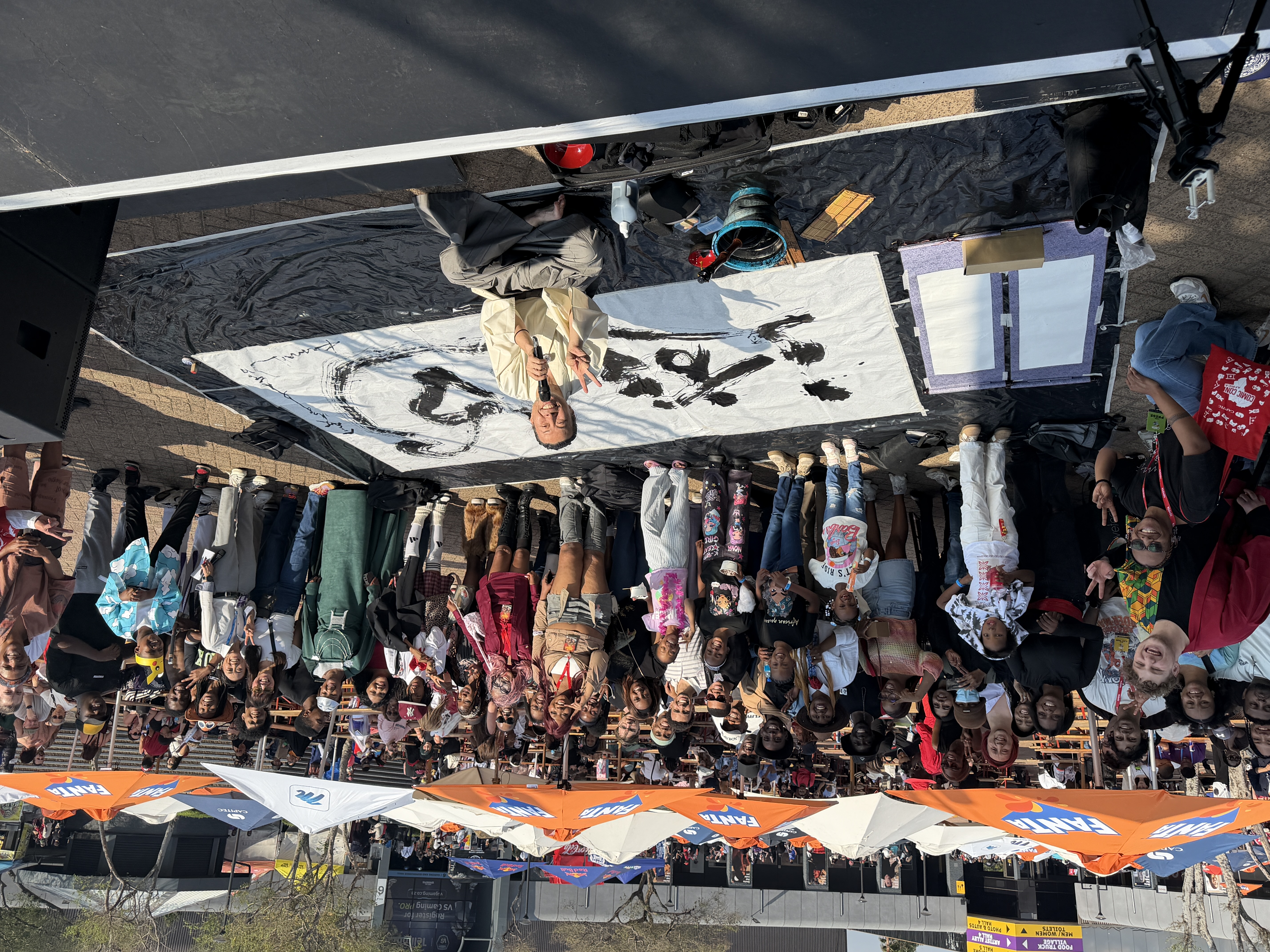
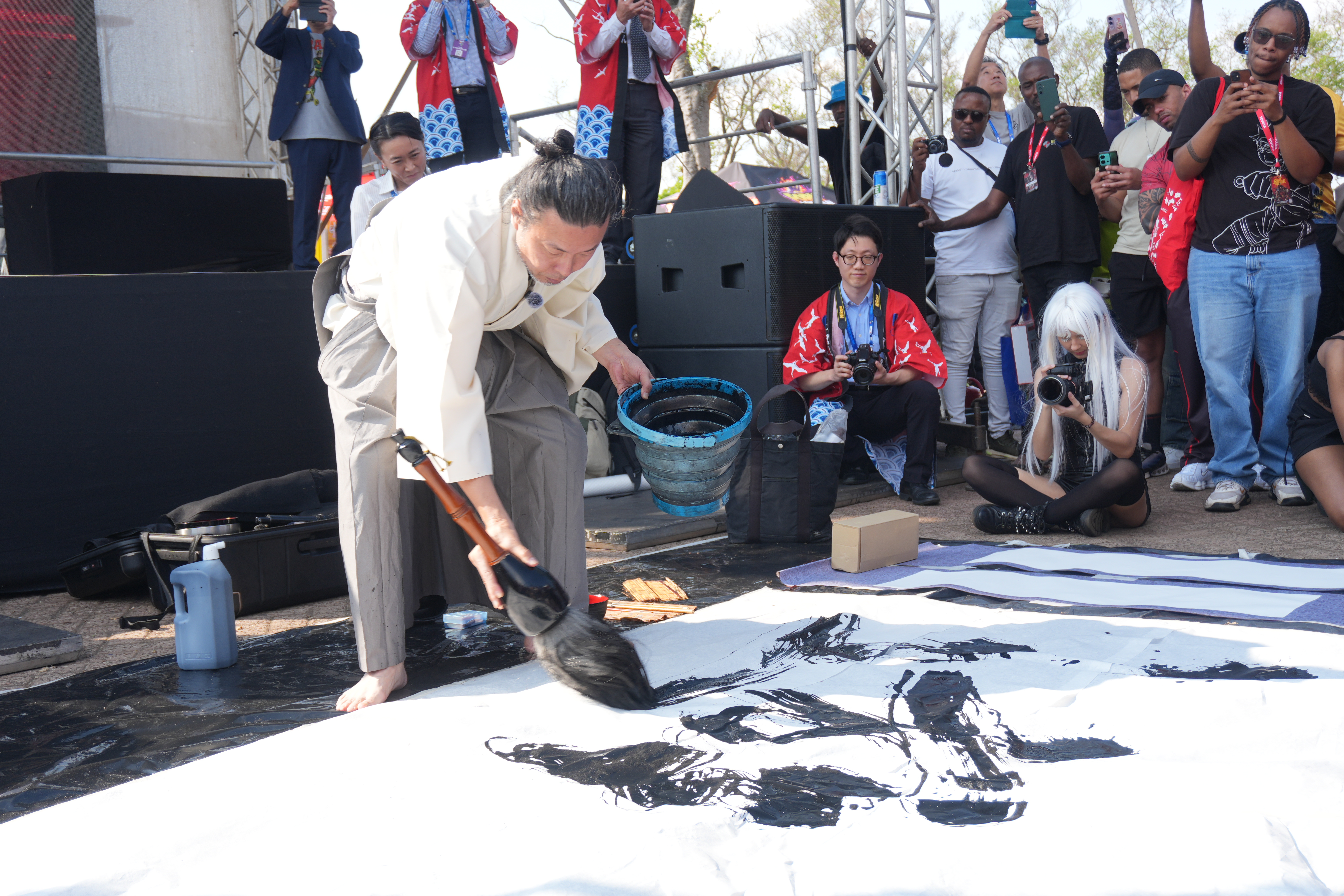
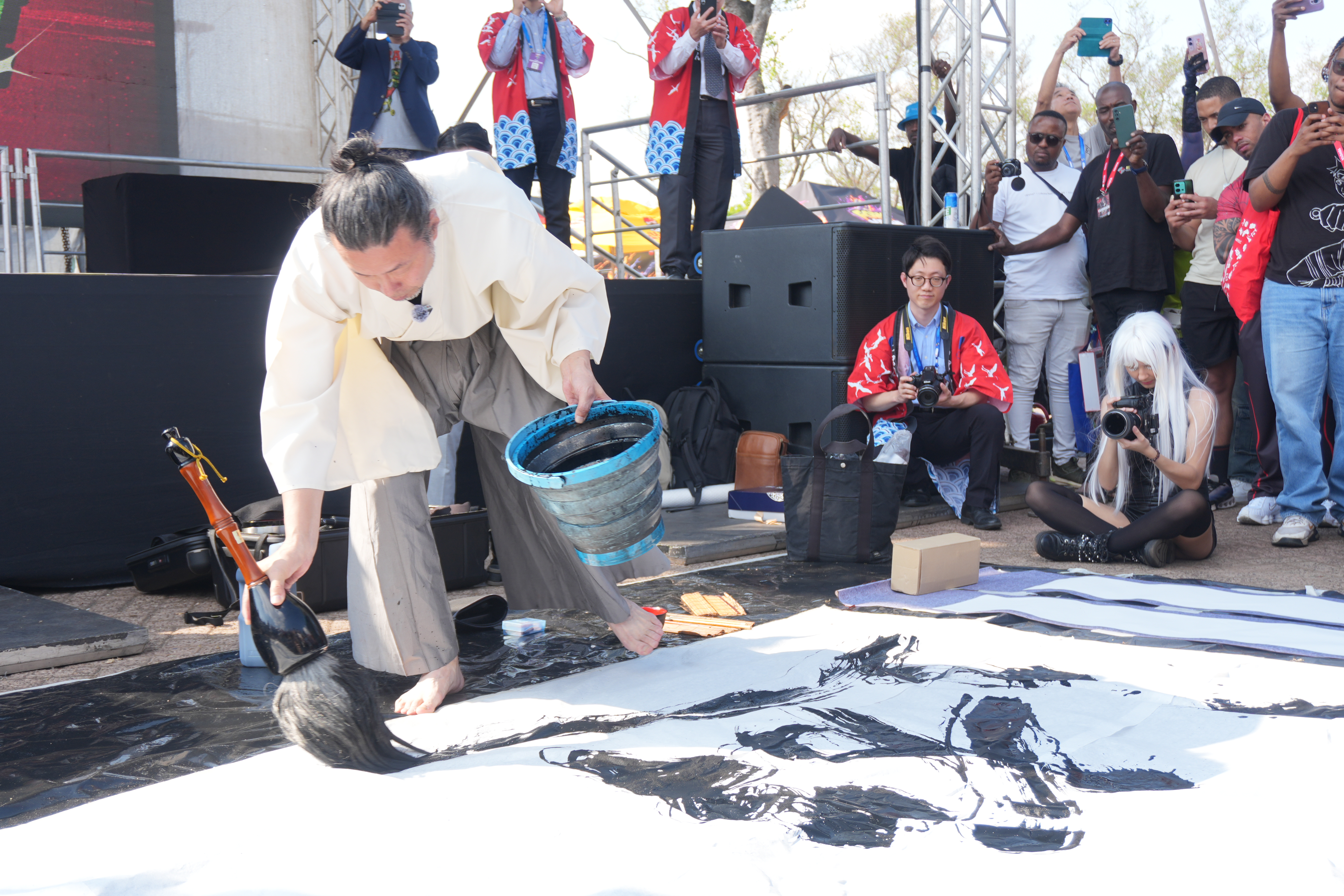
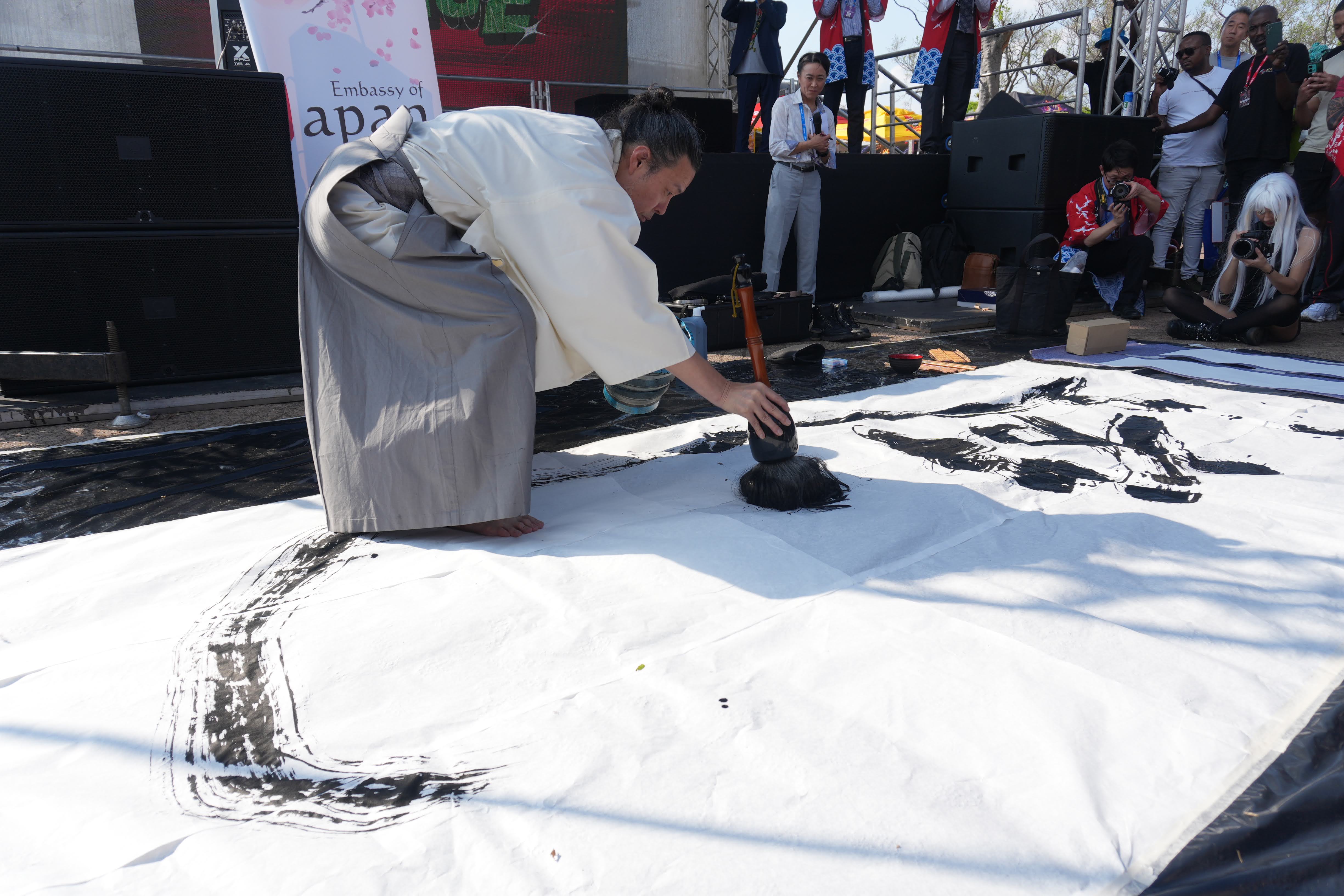
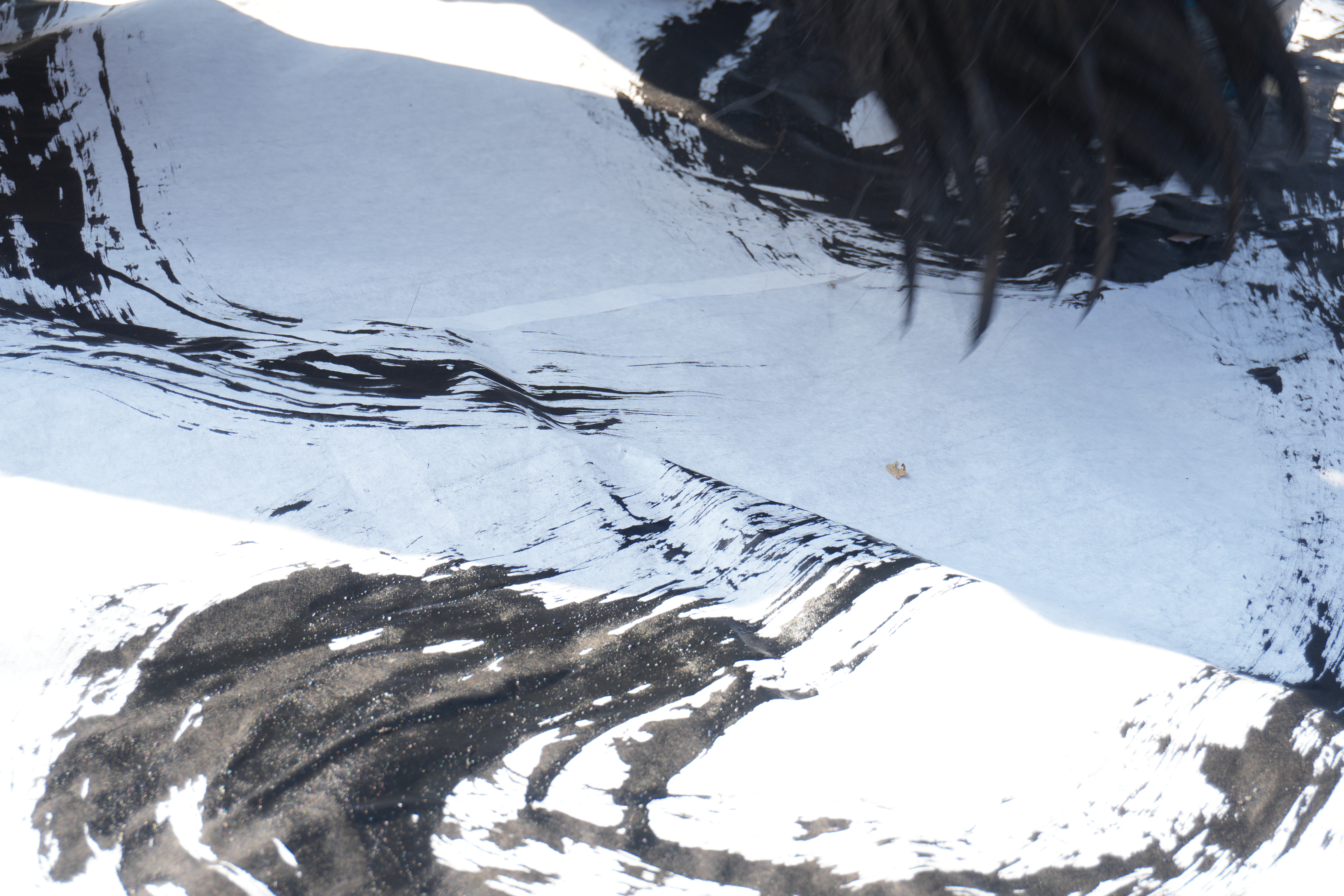
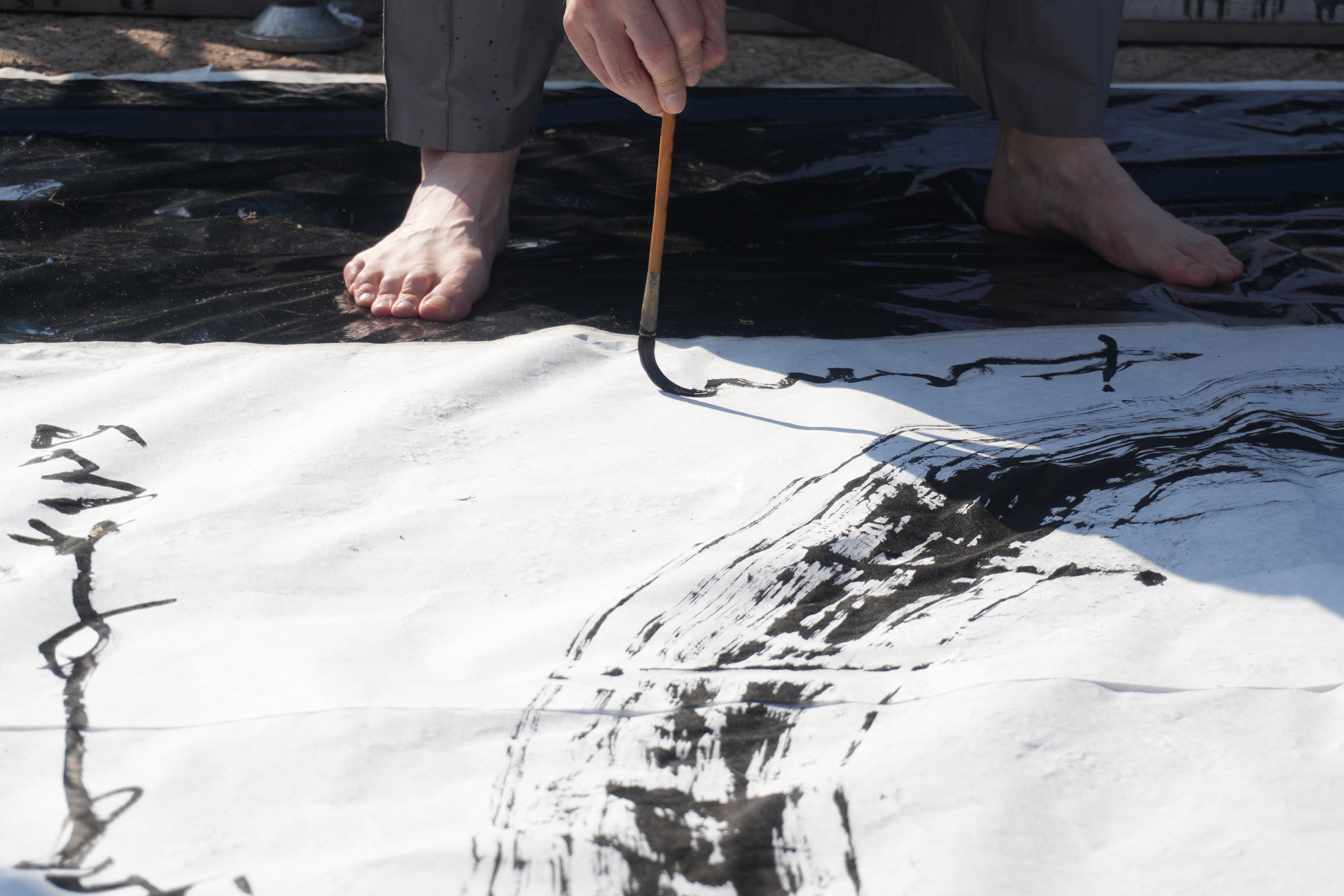
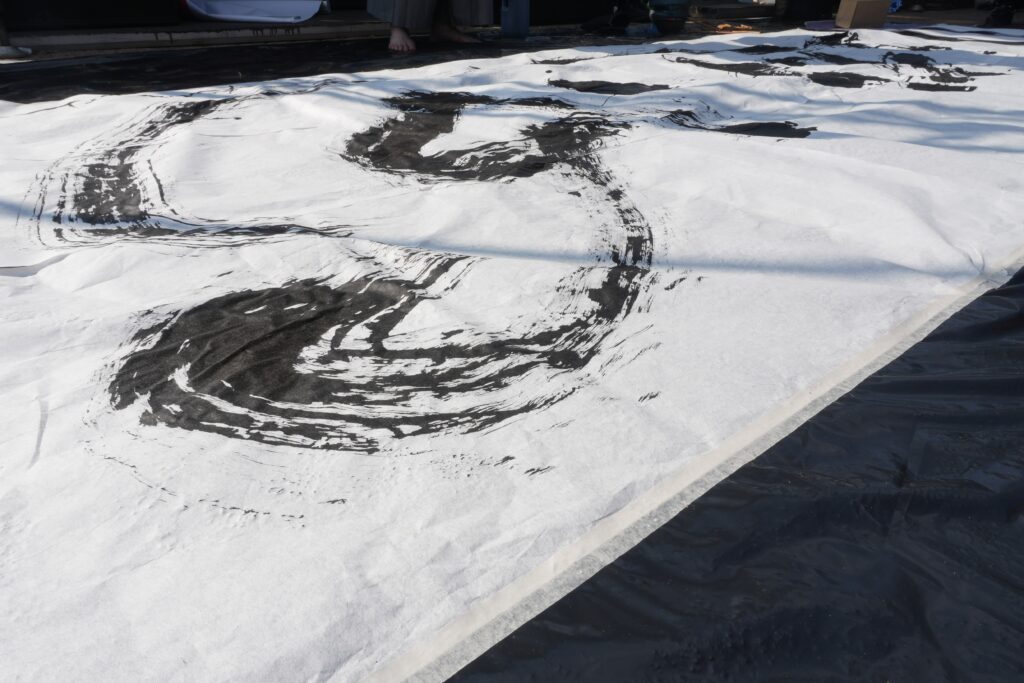
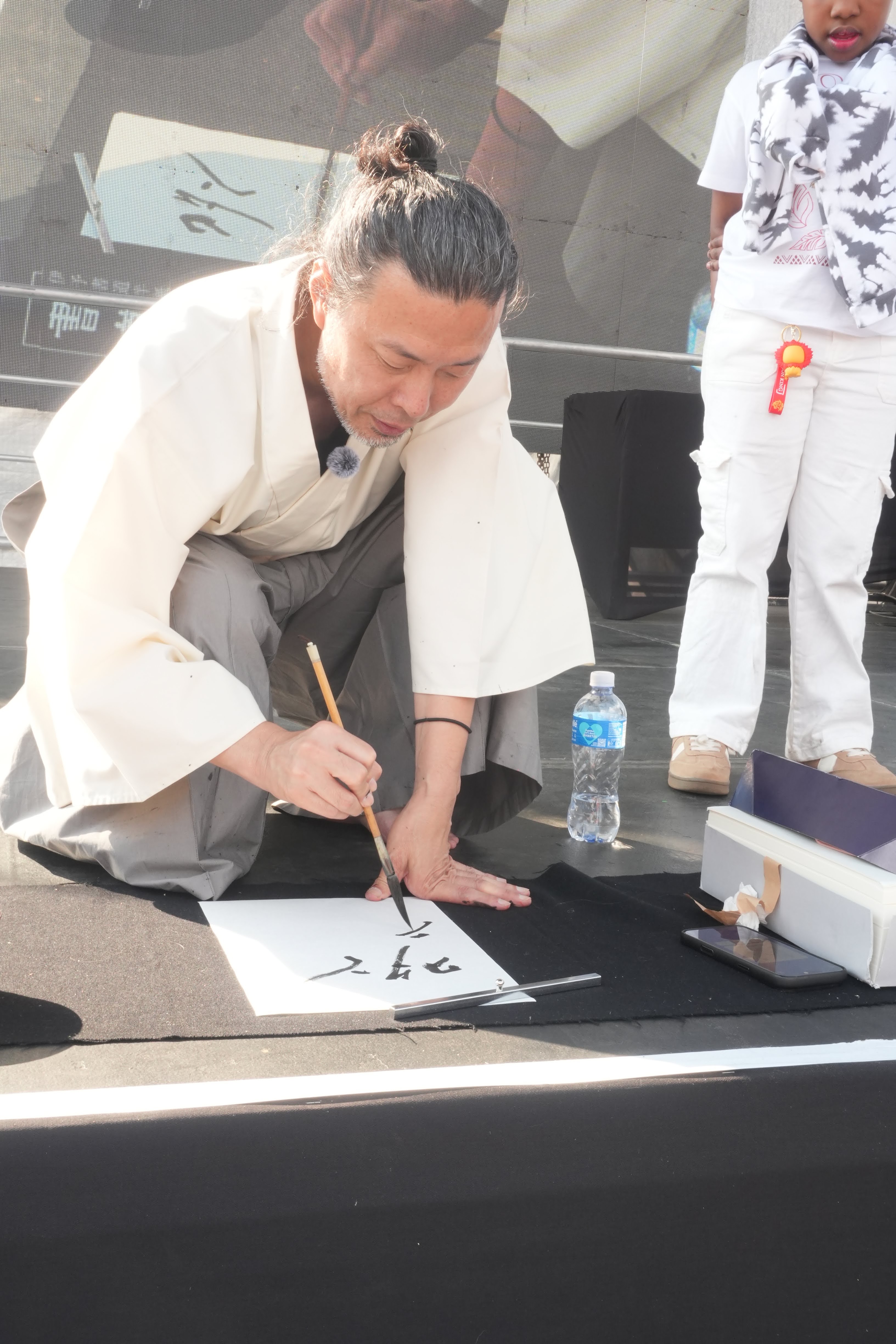
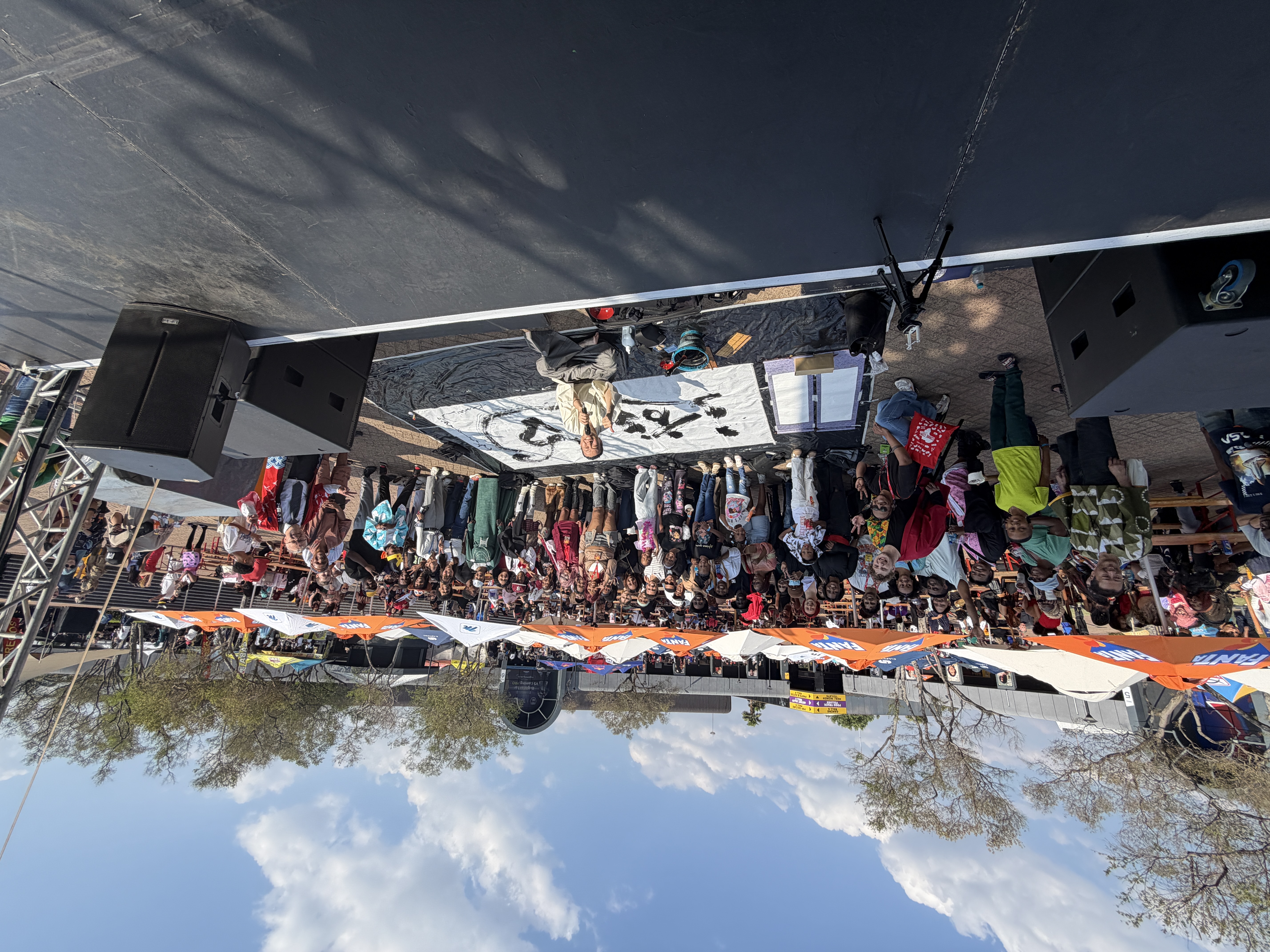
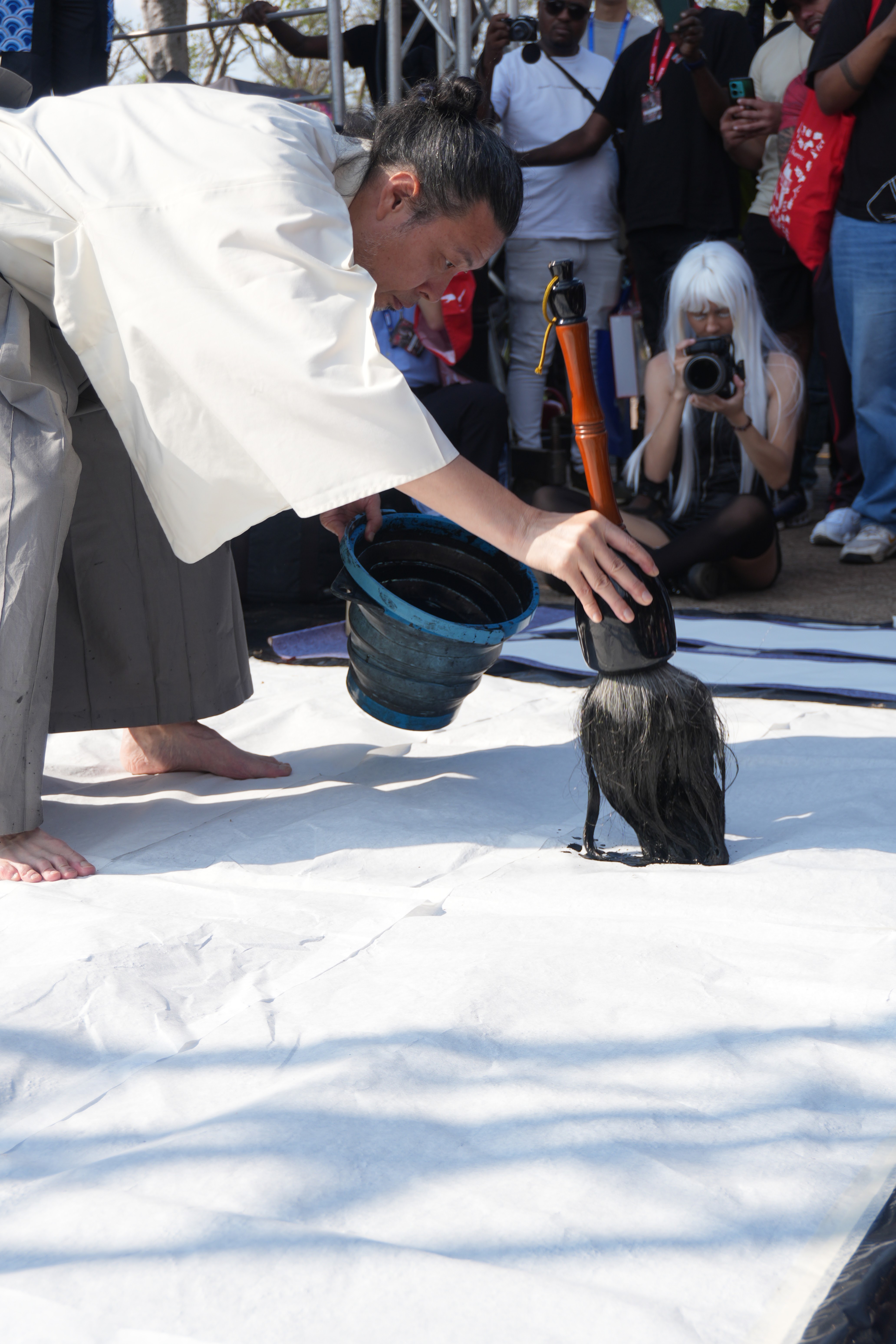
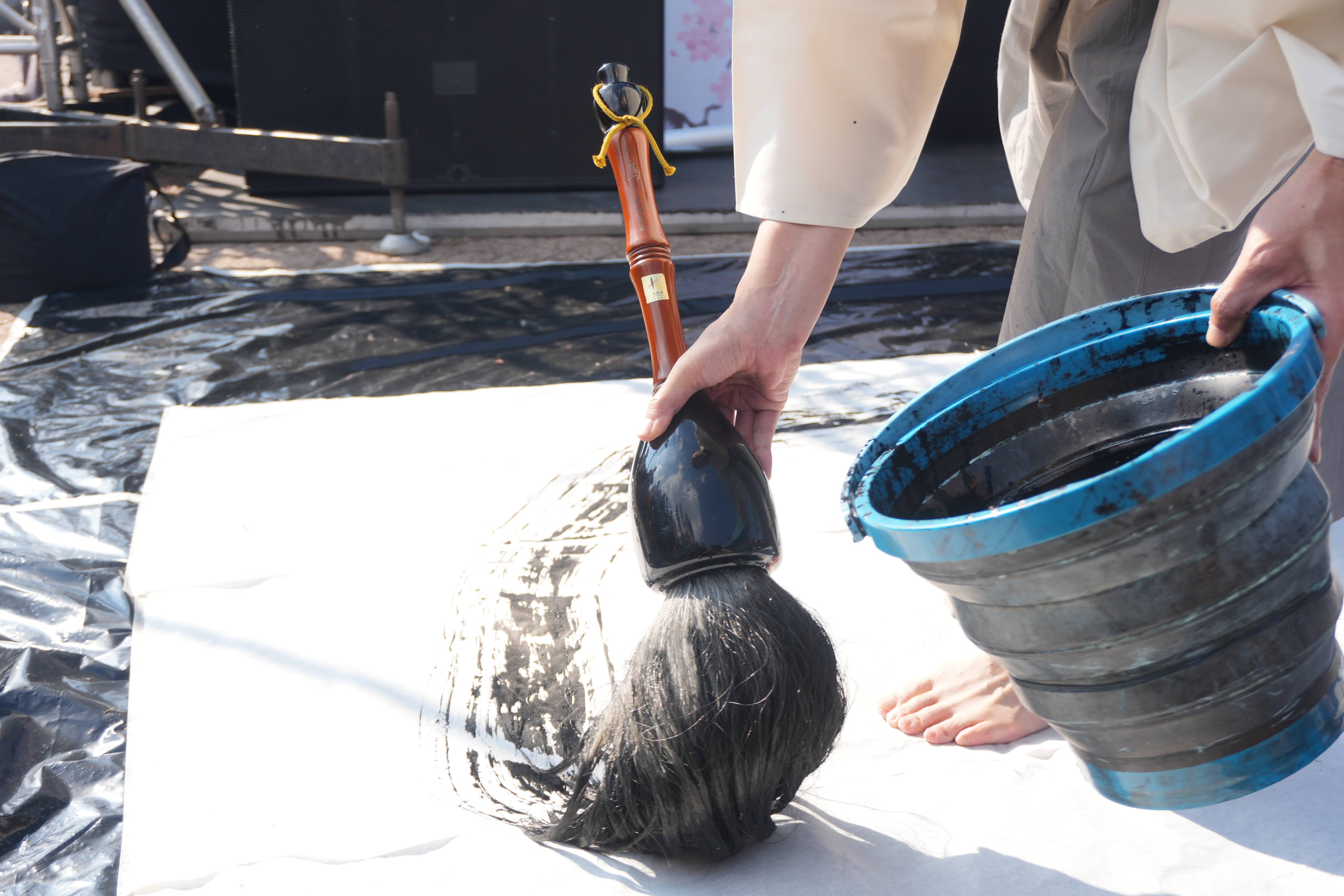
I had the incredible opportunity to perform and connect with everyone through Japanese calligraphy at COMIC CON AFRICA, the largest Comic Con event in Africa!
With around 70,000 people attending, the venue was absolutely bursting with energy and excitement!
I wanted to capture that incredible energy in my work.
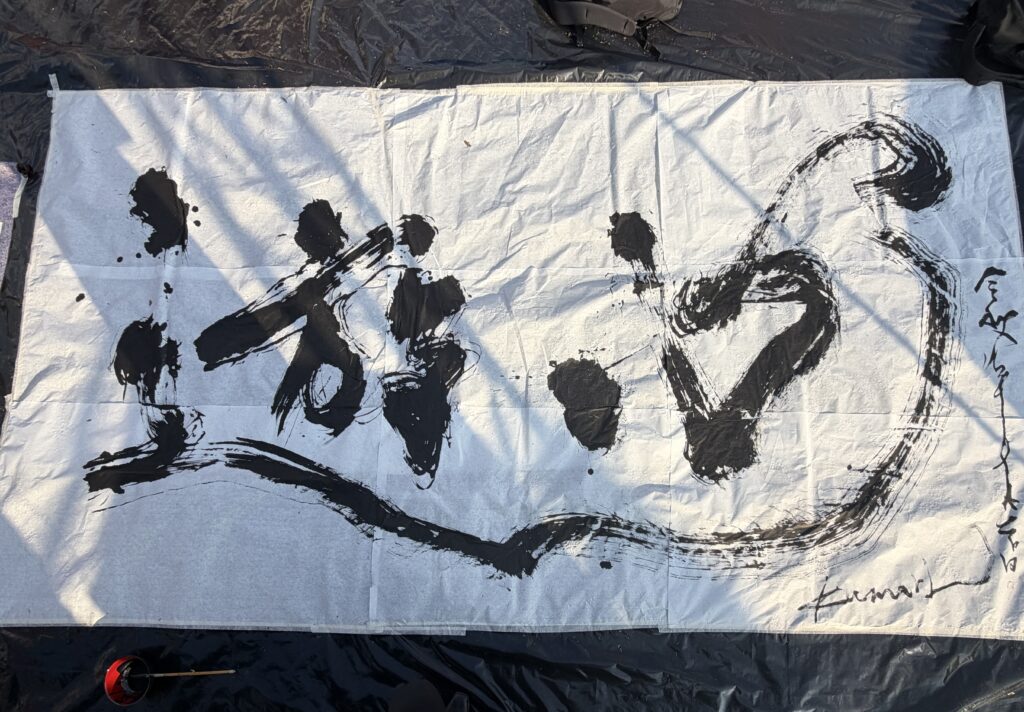
遊心 — Yūshin
“Set your heart free and enjoy life to the fullest!”
That was the spirit and intention I poured into these two characters.
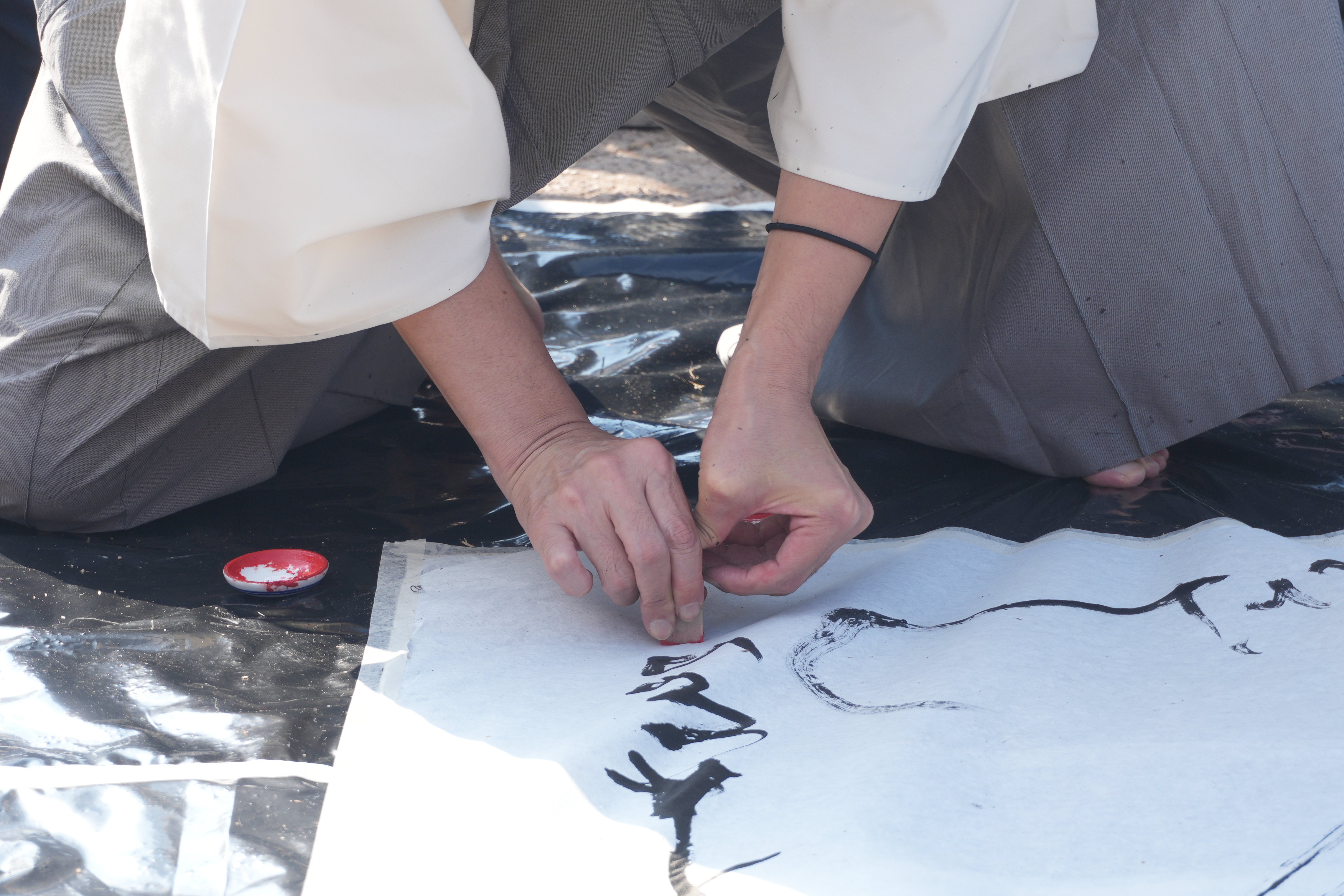
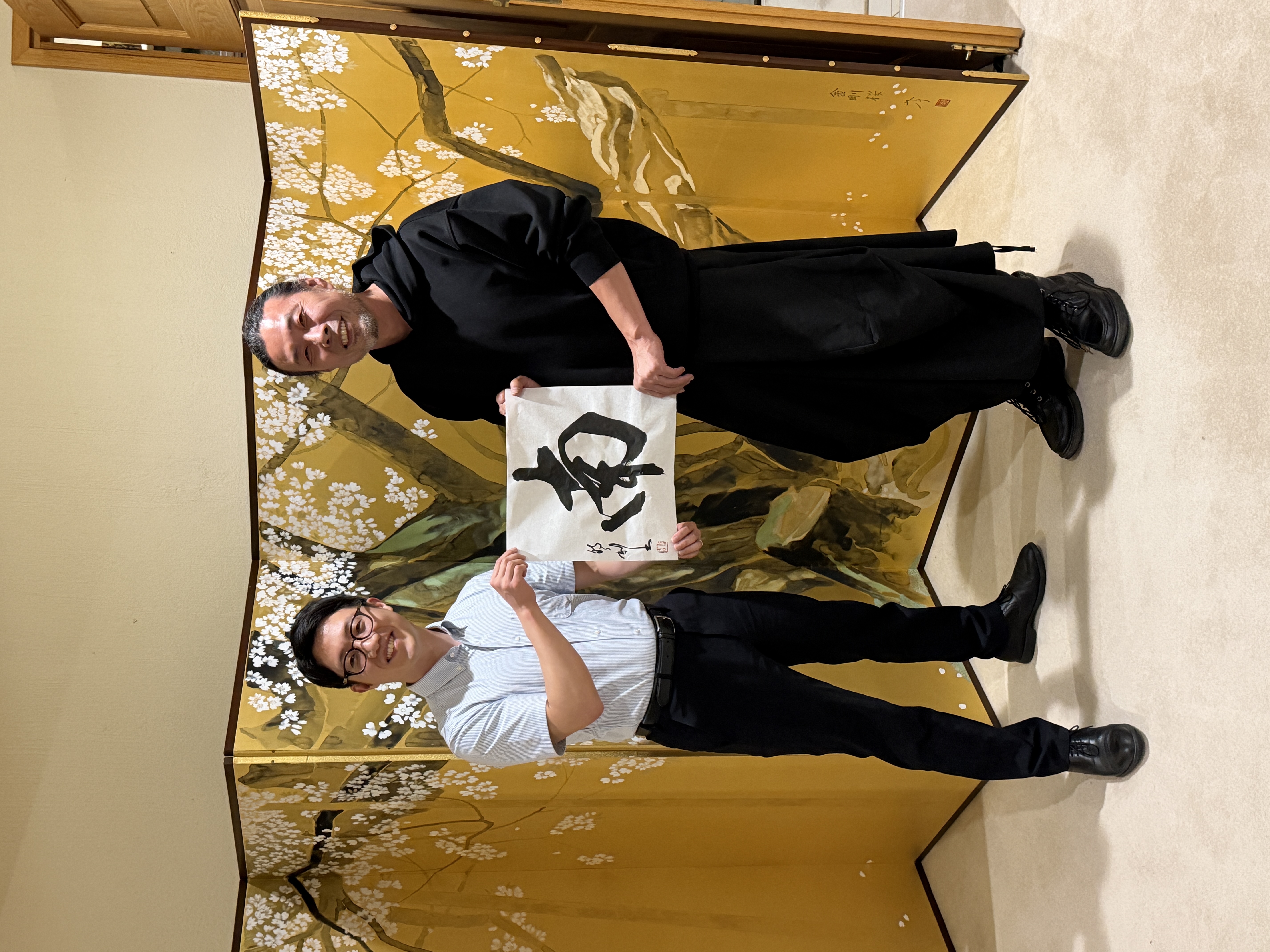
After the performance, I also had the pleasure of writing names and requested words in Japanese calligraphy for nearly 50 people and giving each piece to them as a gift.
It was wonderful to meet so many people through the art of calligraphy!
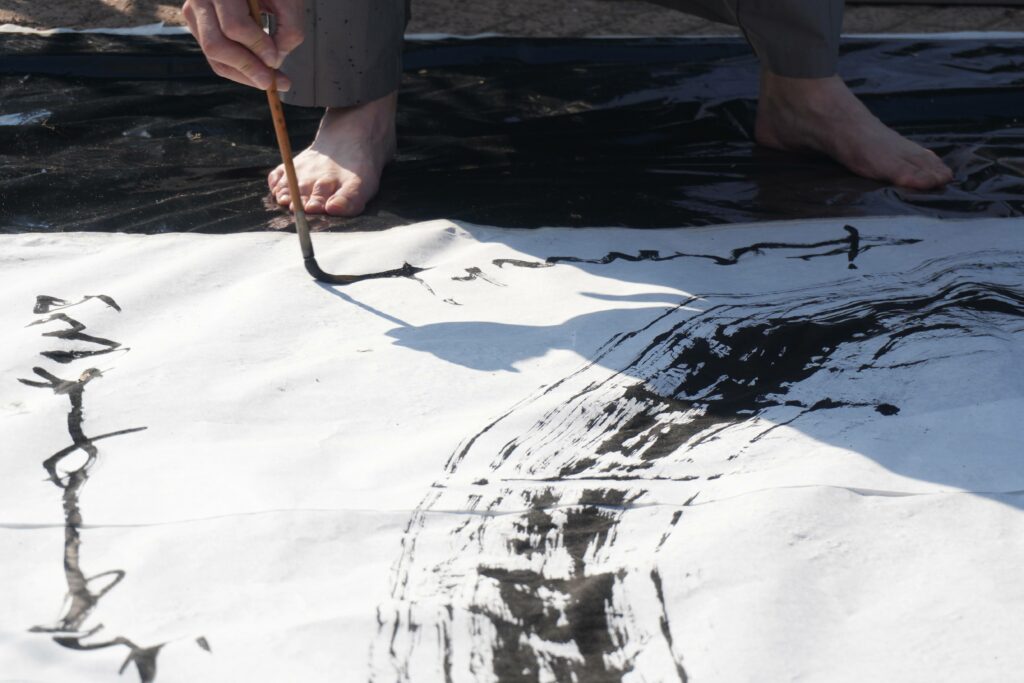
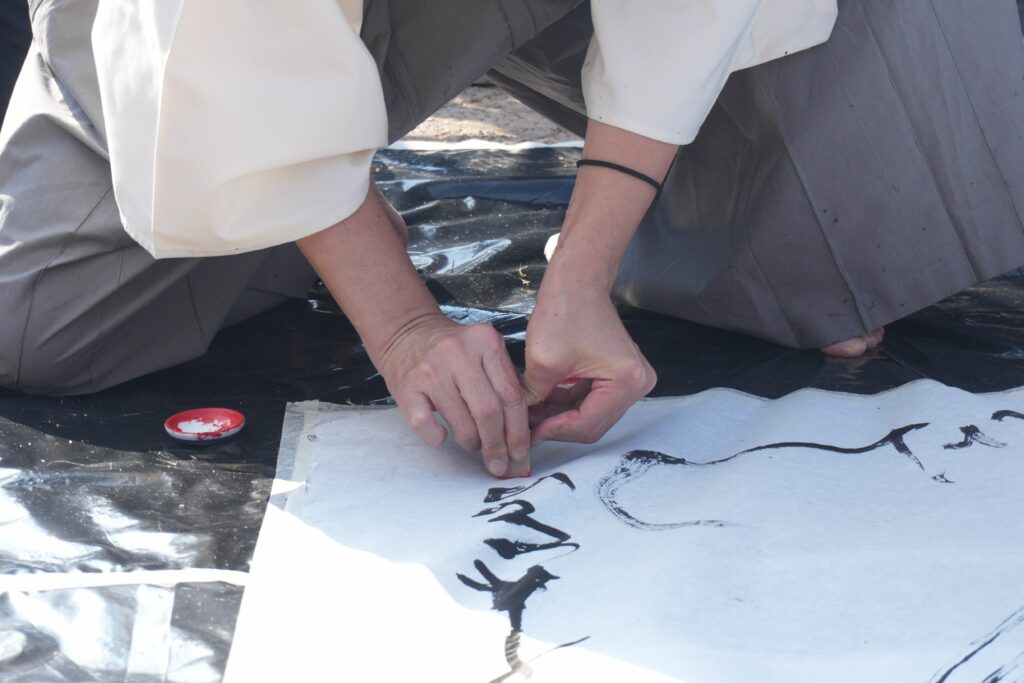
Embassy of Japan in South Africa
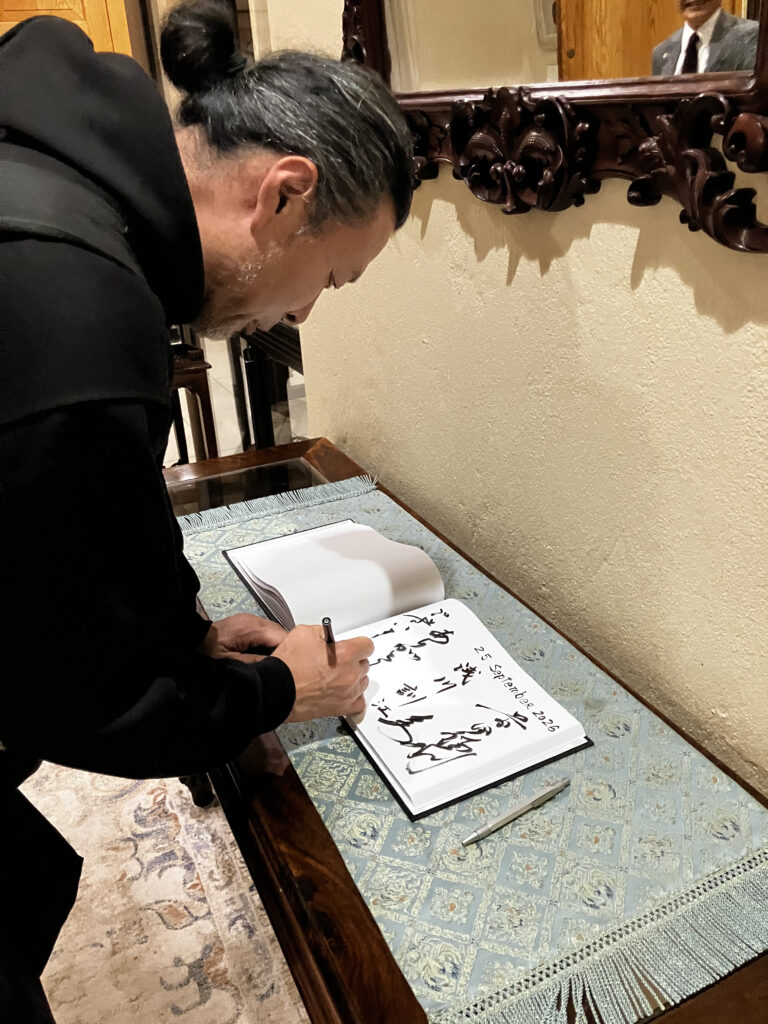
I was deeply honored to be invited to the official residence of Ambassador of Japan to South Africa for a wonderful dinner.
It was truly a memorable evening, enjoying exquisite Japanese cuisine prepared by a chef from KōL Izakhaya, one of Johannesburg’s most popular Japanese restaurants.
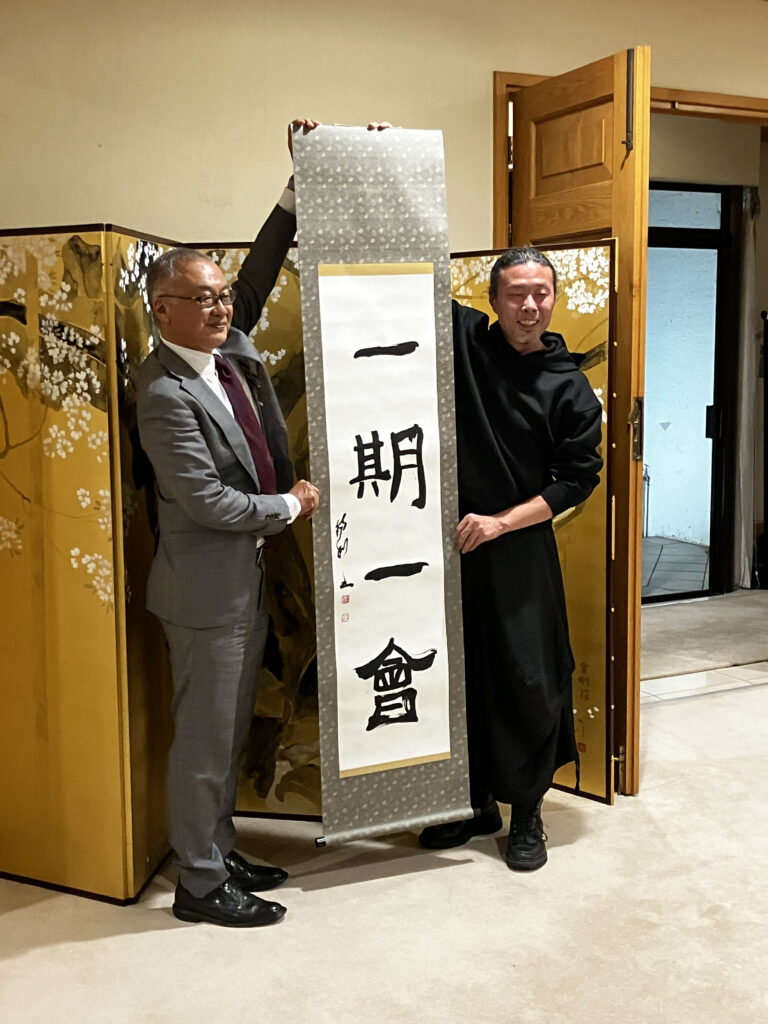
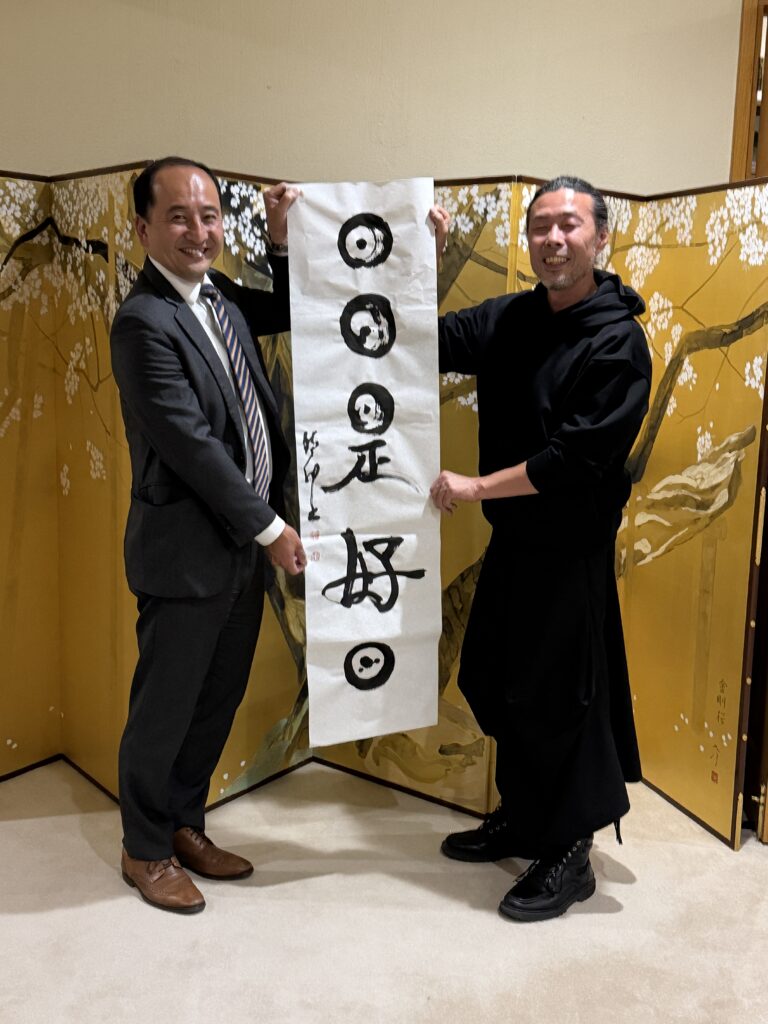
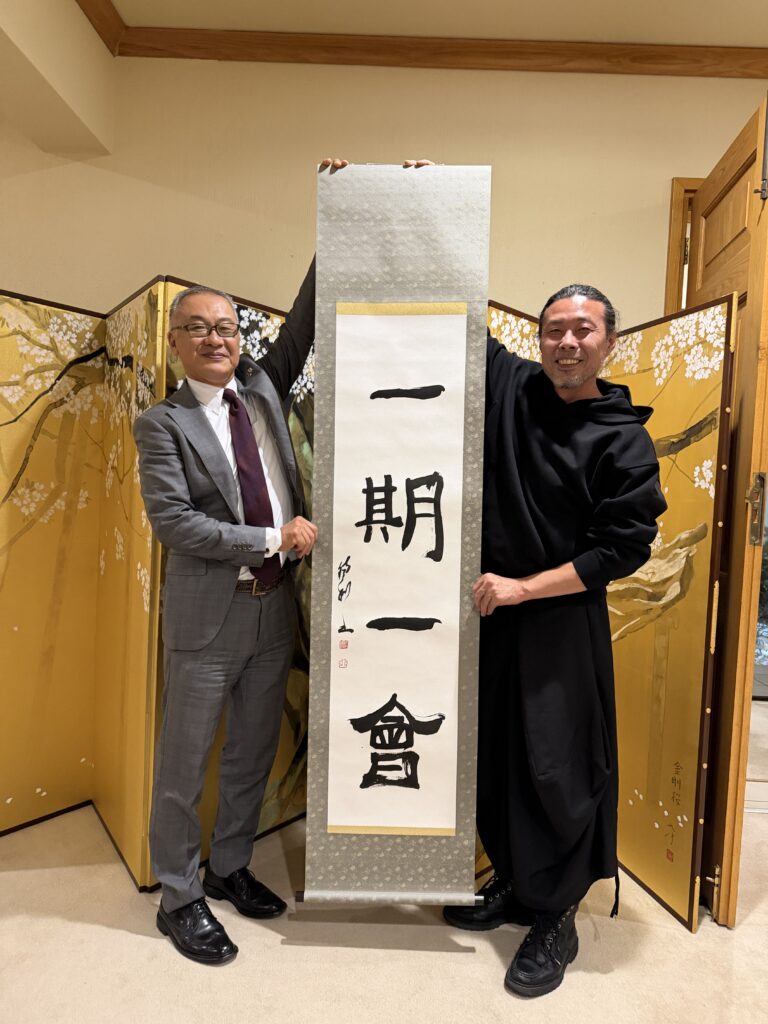
As a gesture of respect and gratitude during my courtesy visit to the Embassy of Japan in South Africa, I had the honor of creating a calligraphy work:
「一期一會」
Ichigo Ichie — “One encounter, one lifetime.”
It expresses the Japanese spirit of treasuring each encounter, knowing that every meeting is unique and may never come again in quite the same way.
Namibia
National Art Gallery
Windhoek, Namibia
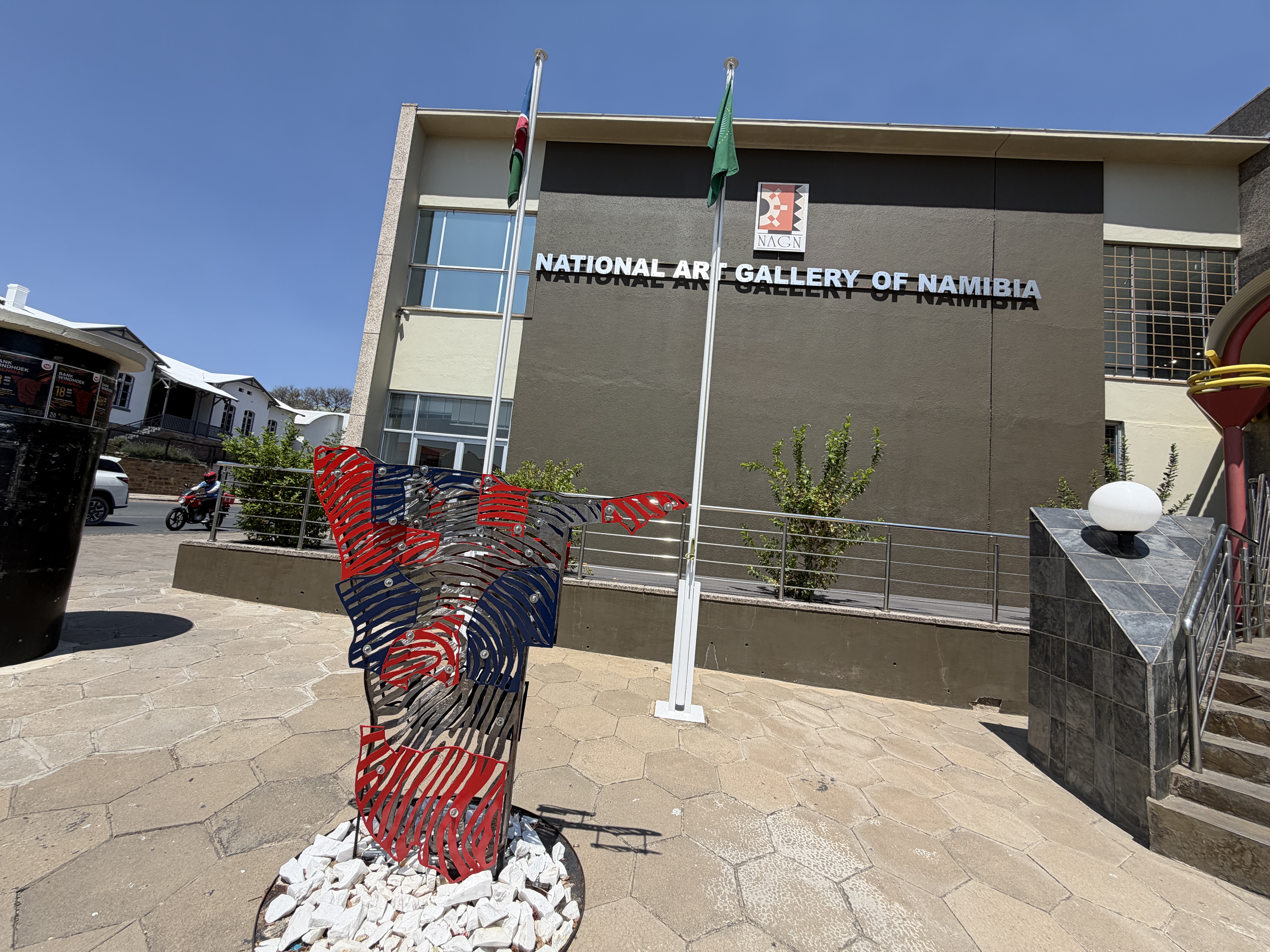
NATIONAL ART GALLERY OF NAMIBIA
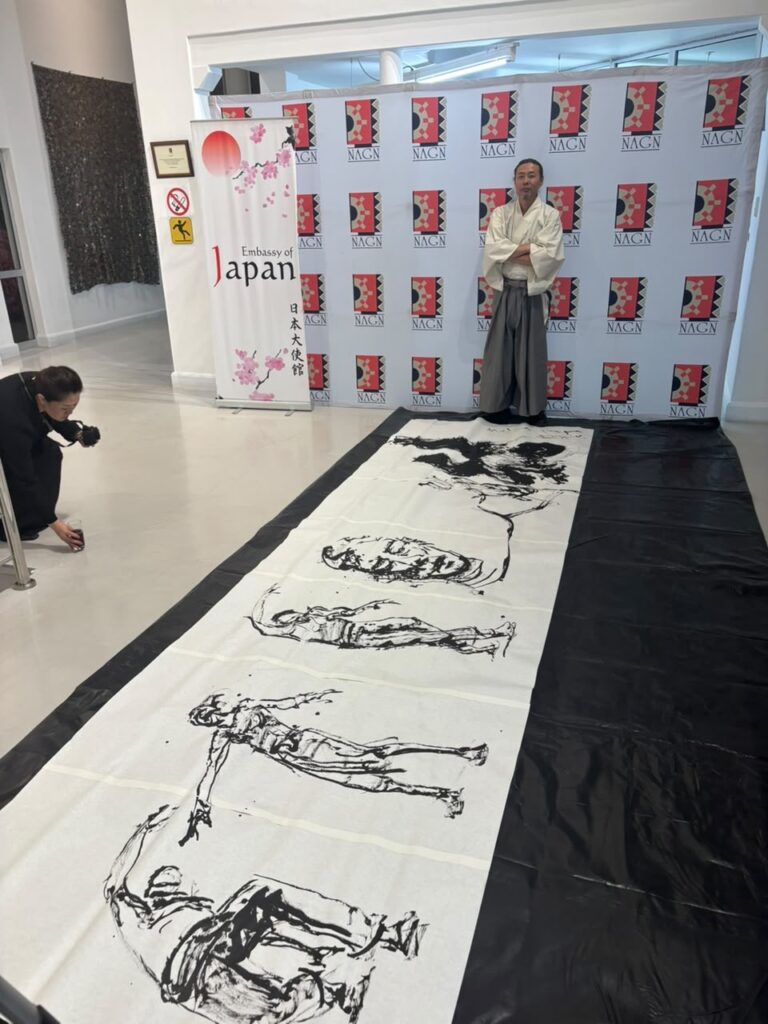
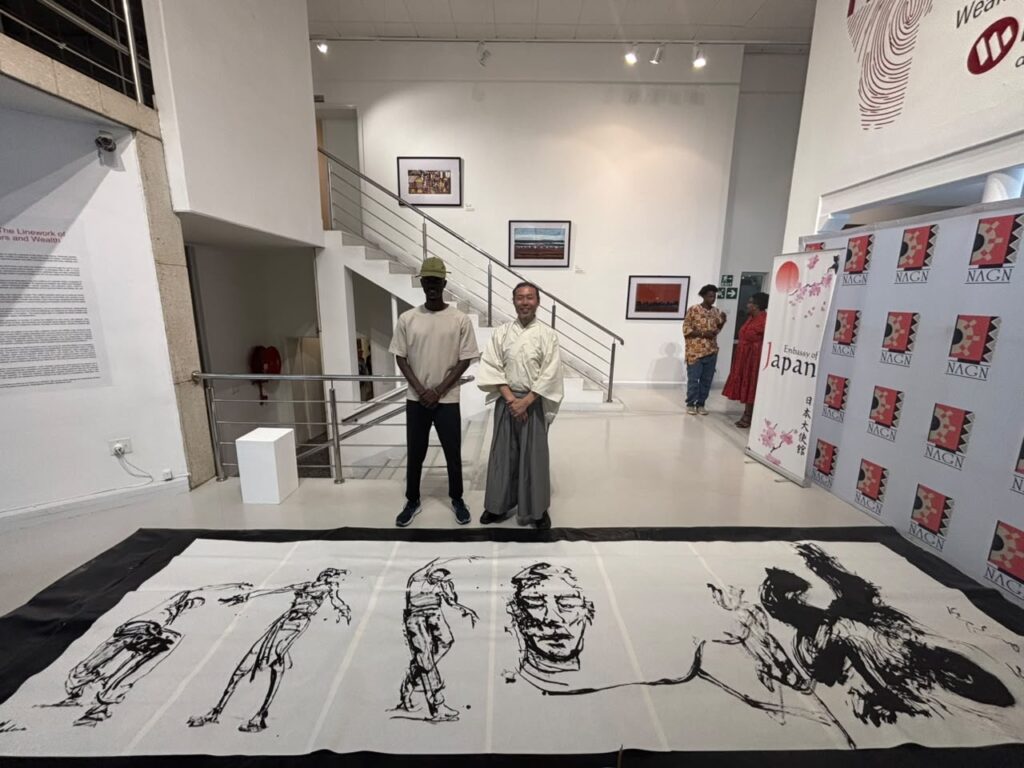
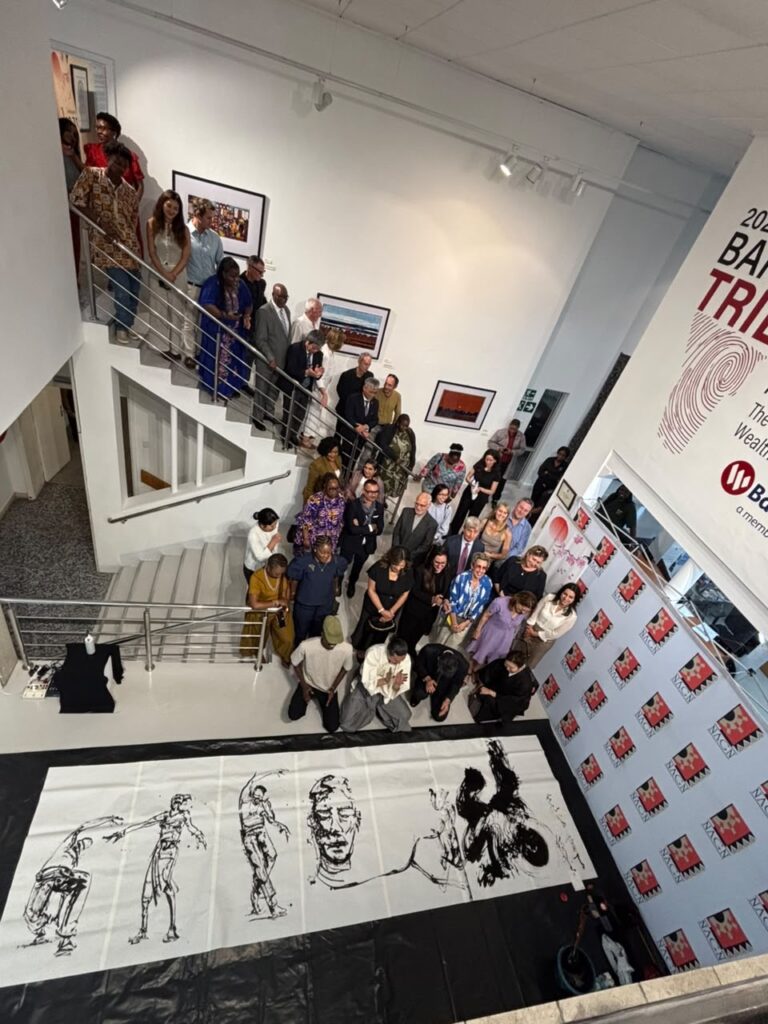
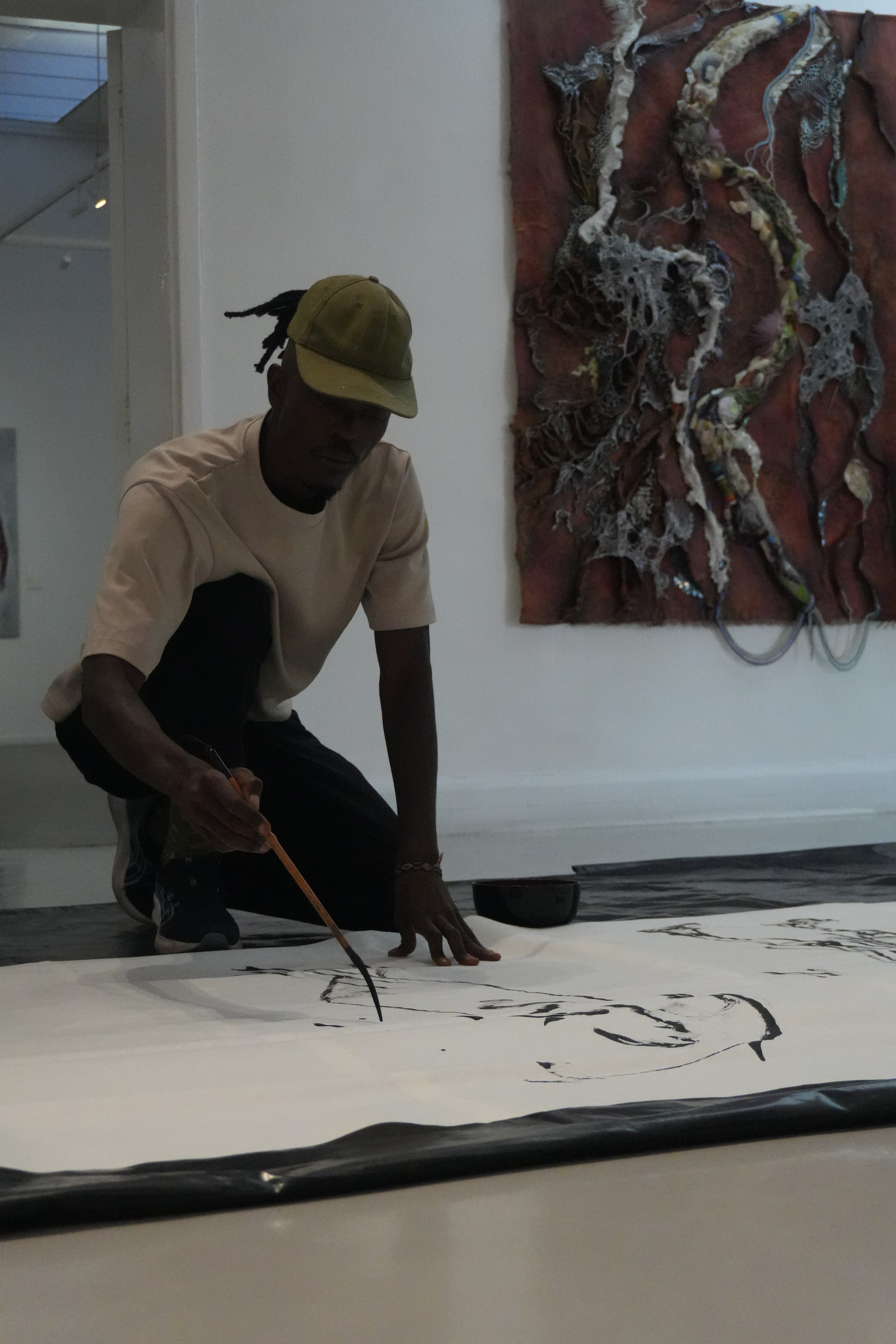
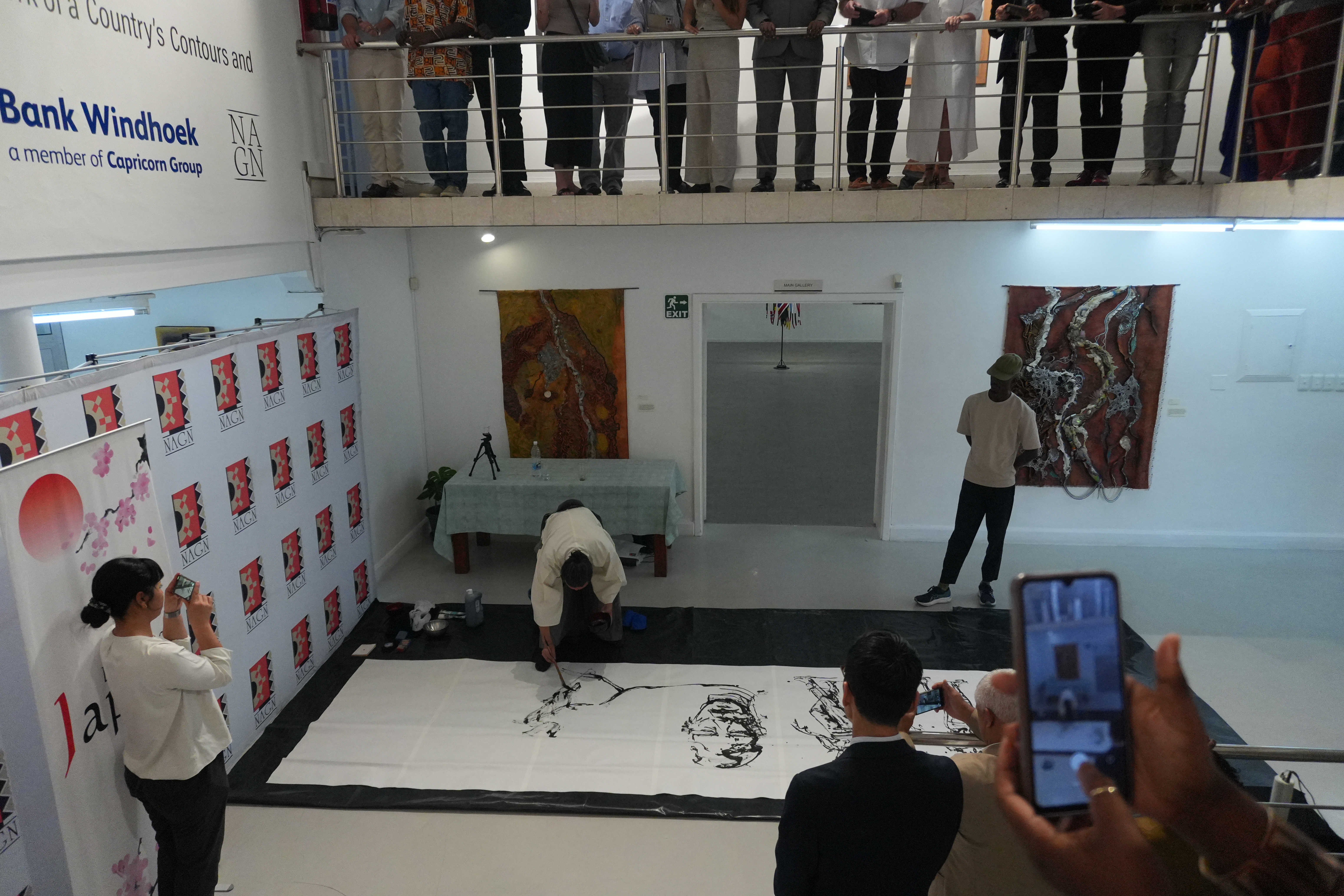
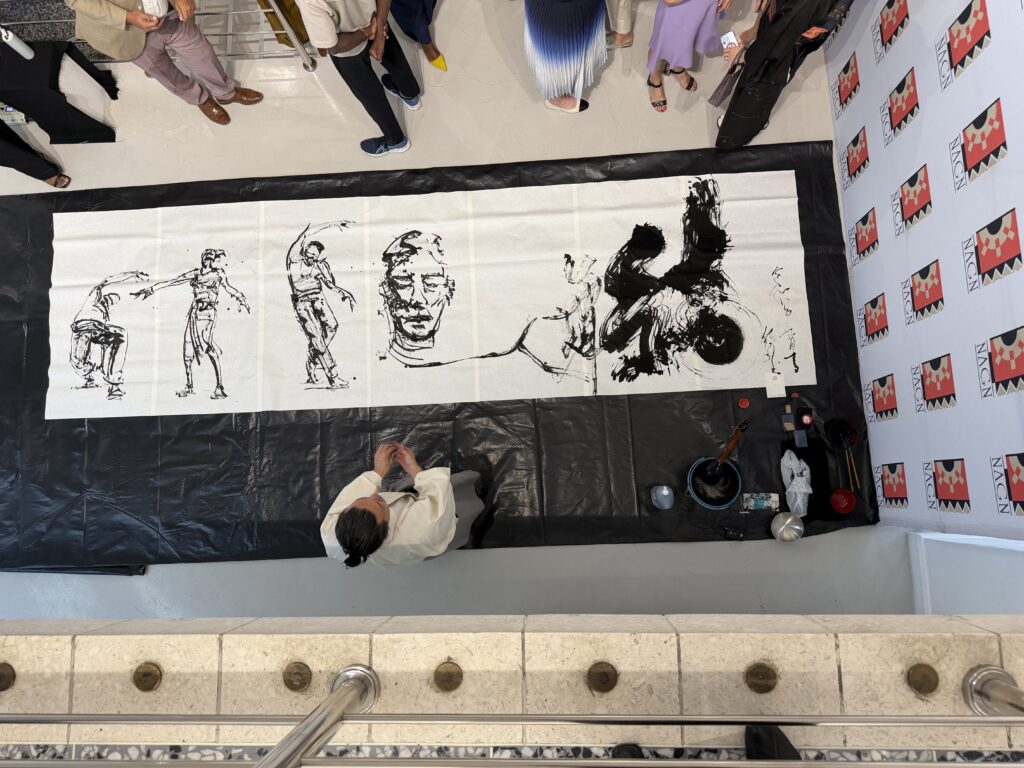
At the National Art Gallery of Namibia, we were honored to welcome representatives from various embassies, distinguished guests, and executives for a special collaborative art performance with Namibian artist Nambowa Malua.
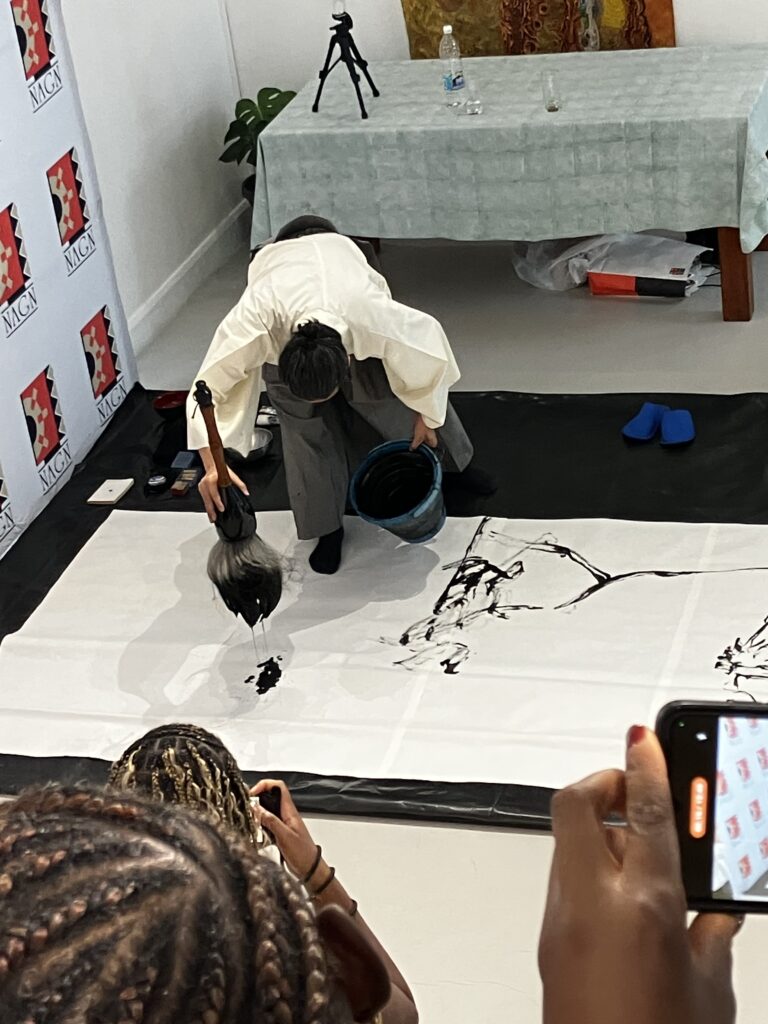
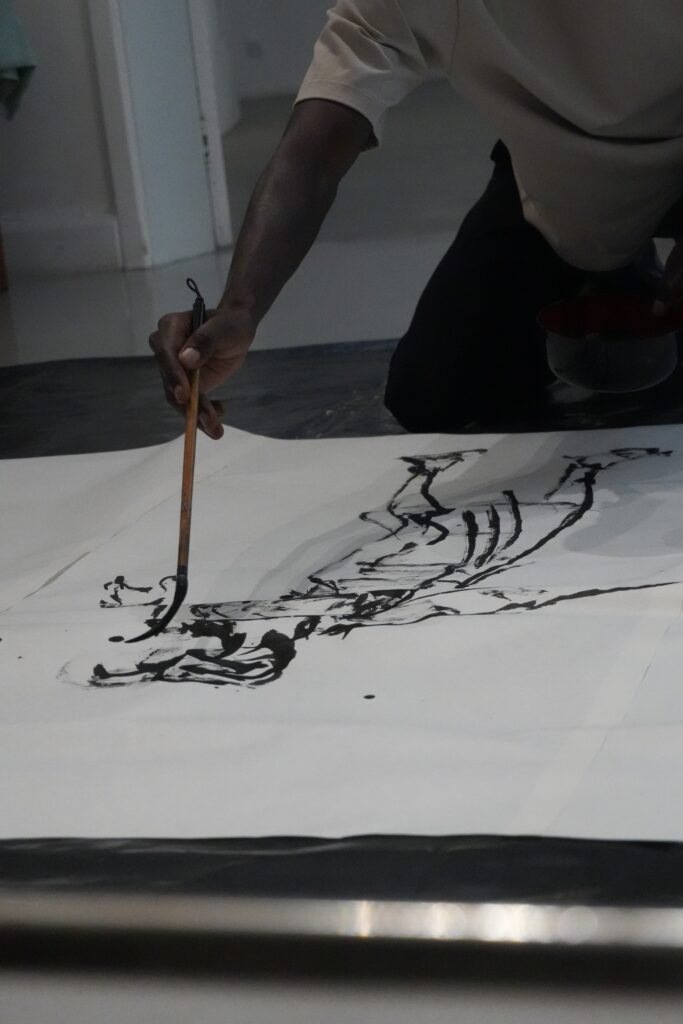
I invited him to create a live painting using traditional Japanese brushes and sumi ink.
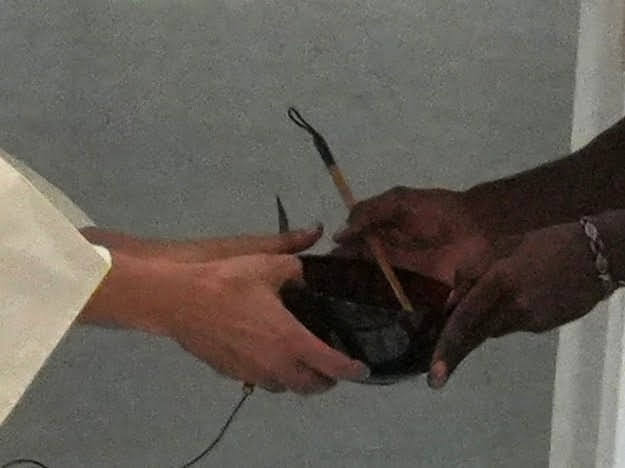
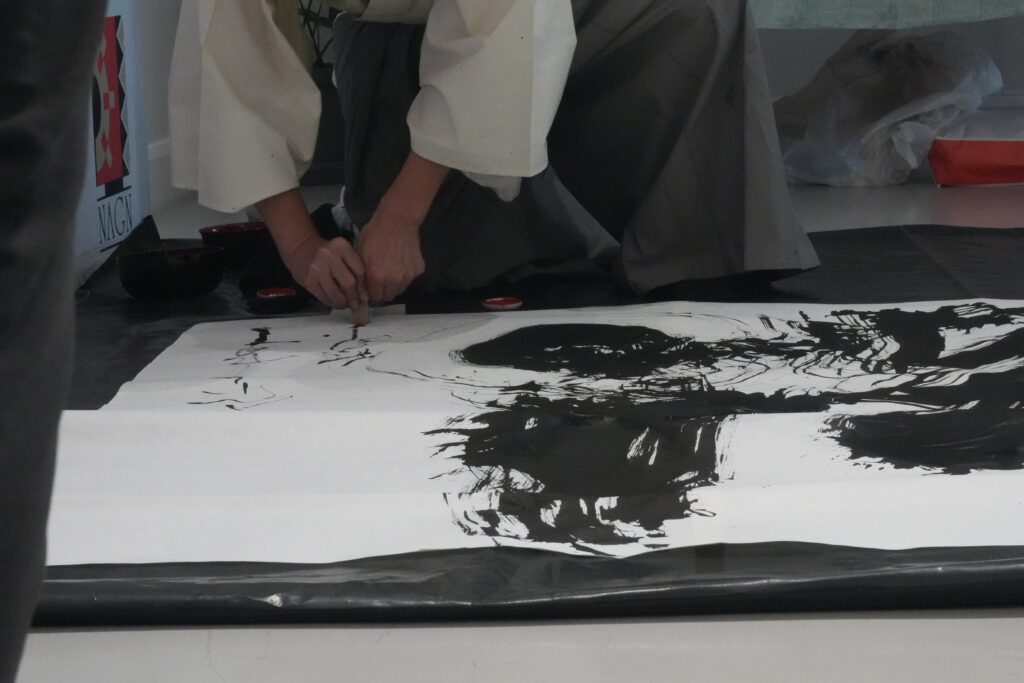
From the very last stroke of his painting, I took the same brush directly from his hand and continued the work by writing three Japanese characters:
人 — Human
舞 — Dance
結 — Connection
From the vibrant, dynamic figures he painted, I felt the energy of people constantly moving, dancing, and rising through life.
And here, far away from Japan, in Namibia, our paths crossed and our expressions became one work.
“人 — Human”
We live, move, and encounter one another.
“舞 — Dance”
We express ourselves freely and dynamically through life.
“結 — Connection”
And through those encounters, new bonds are created.
I am deeply grateful that our different cultures, backgrounds, and artistic expressions could meet through a single brush and become one piece of art.
At the reception following the performance, many guests shared their moving impressions and heartfelt words of appreciation with us.
Thank you so much.
I sincerely hope that the connections created here in Namibia will continue to grow — and lead us to new encounters in yet another country…
My heartfelt gratitude to everyone at the Embassy of Japan in Namibia for all your support, from the preparations to making this special event possible.
Thank you very much!
在ナミビア日本国大使館
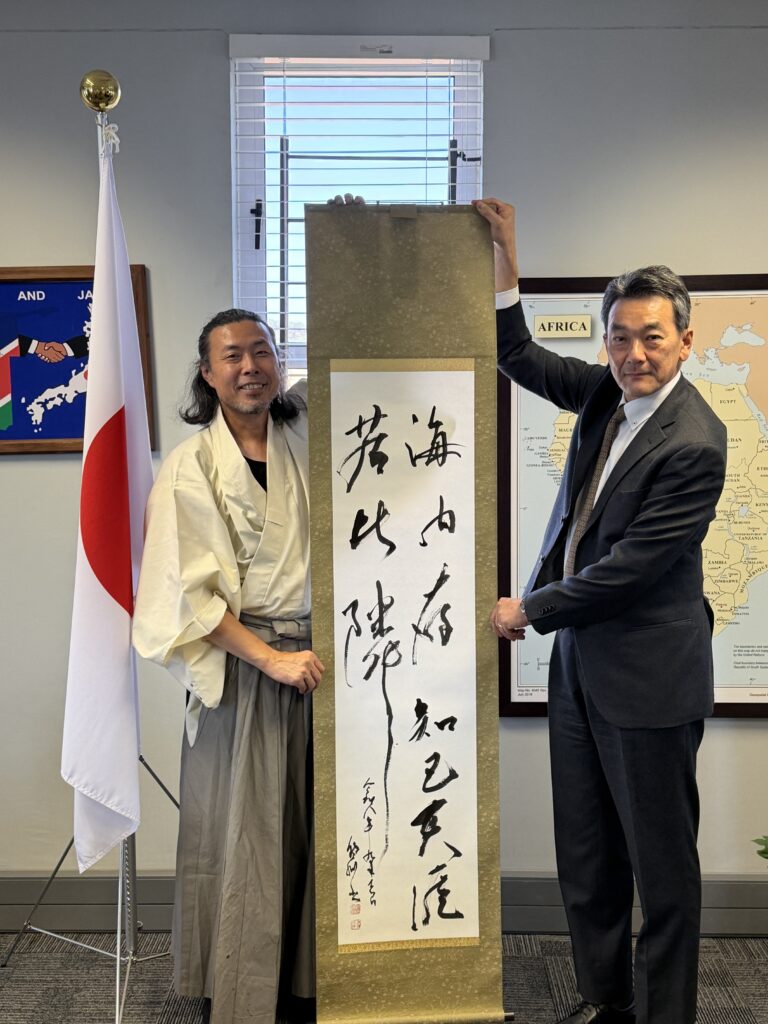
Courtesy Visit to the Embassy of Japan in Namibia
I had the honor of paying a courtesy visit to the Embassy of Japan in Namibia.
I was given the privilege of creating a calligraphy piece featuring a verse from a classical Chinese poem that he had personally requested:
海内存知己 天涯若比隣
“If we have true friends within the four seas,
even at the ends of the earth, we remain as close as neighbors.”
These words come from a poem by Wang Bo (王勃), a renowned poet of China’s Tang Dynasty.
The verse expresses the idea that when we have friends who truly understand us, physical distance no longer matters. Even if we are separated by the farthest reaches of the world, we can still feel as though we are right beside one another.
Having spent many years working internationally, Ambassador Asazuma chose these words as an expression that seems to beautifully reflect his own experiences and sentiments.
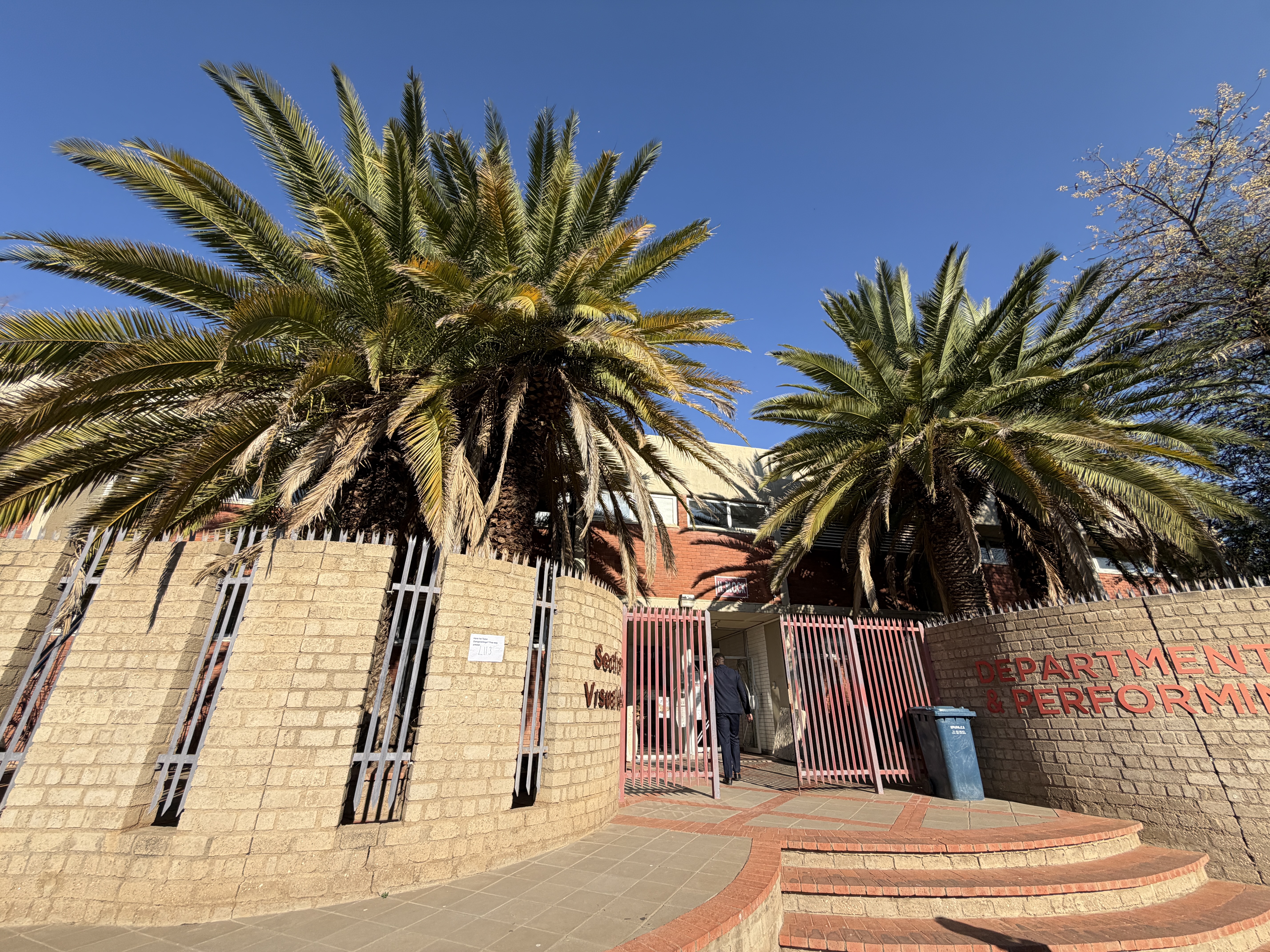
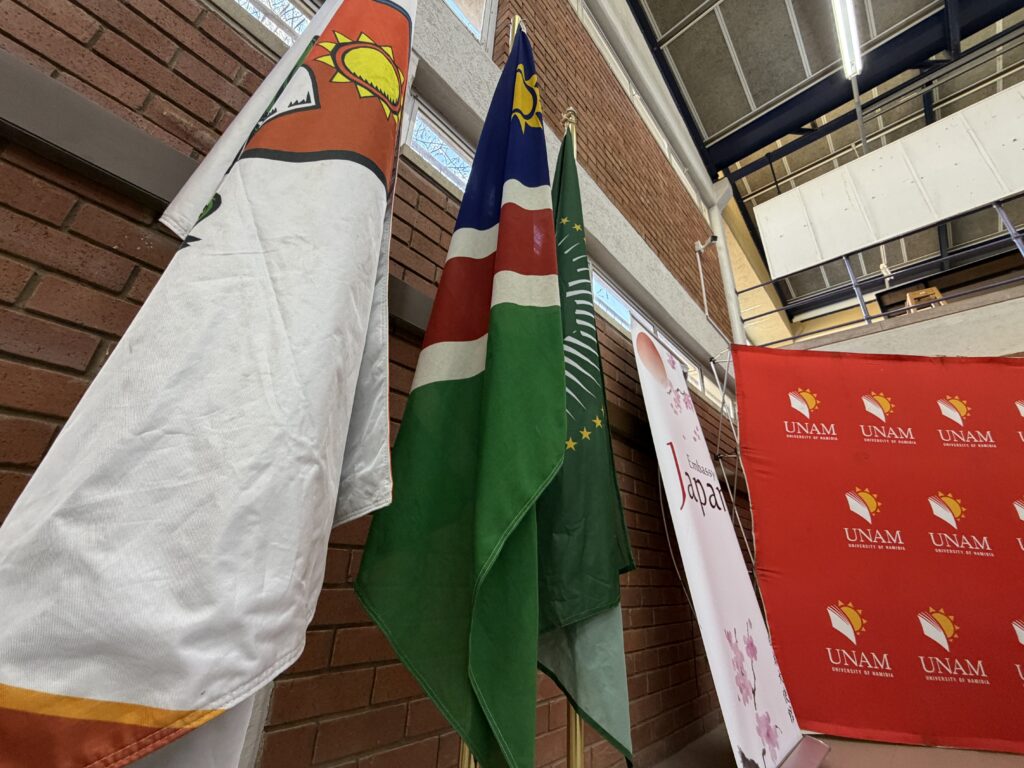
University of Namibia
Windhoek, Namibia
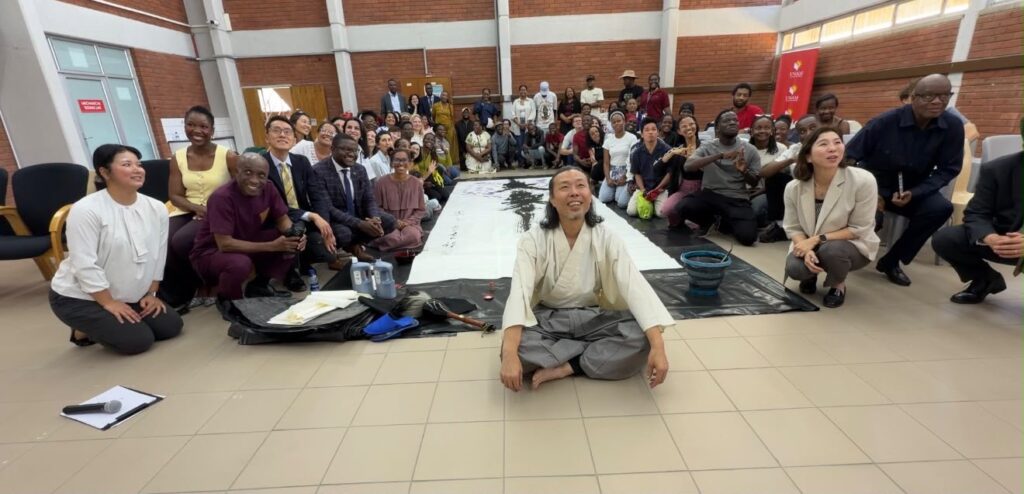
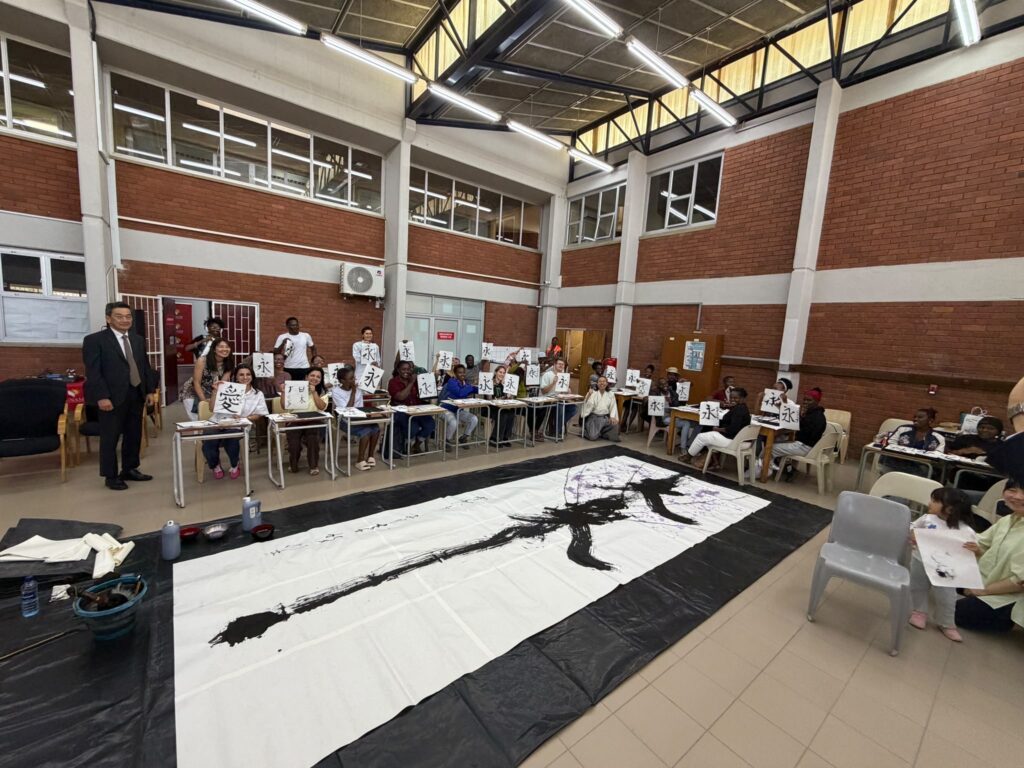
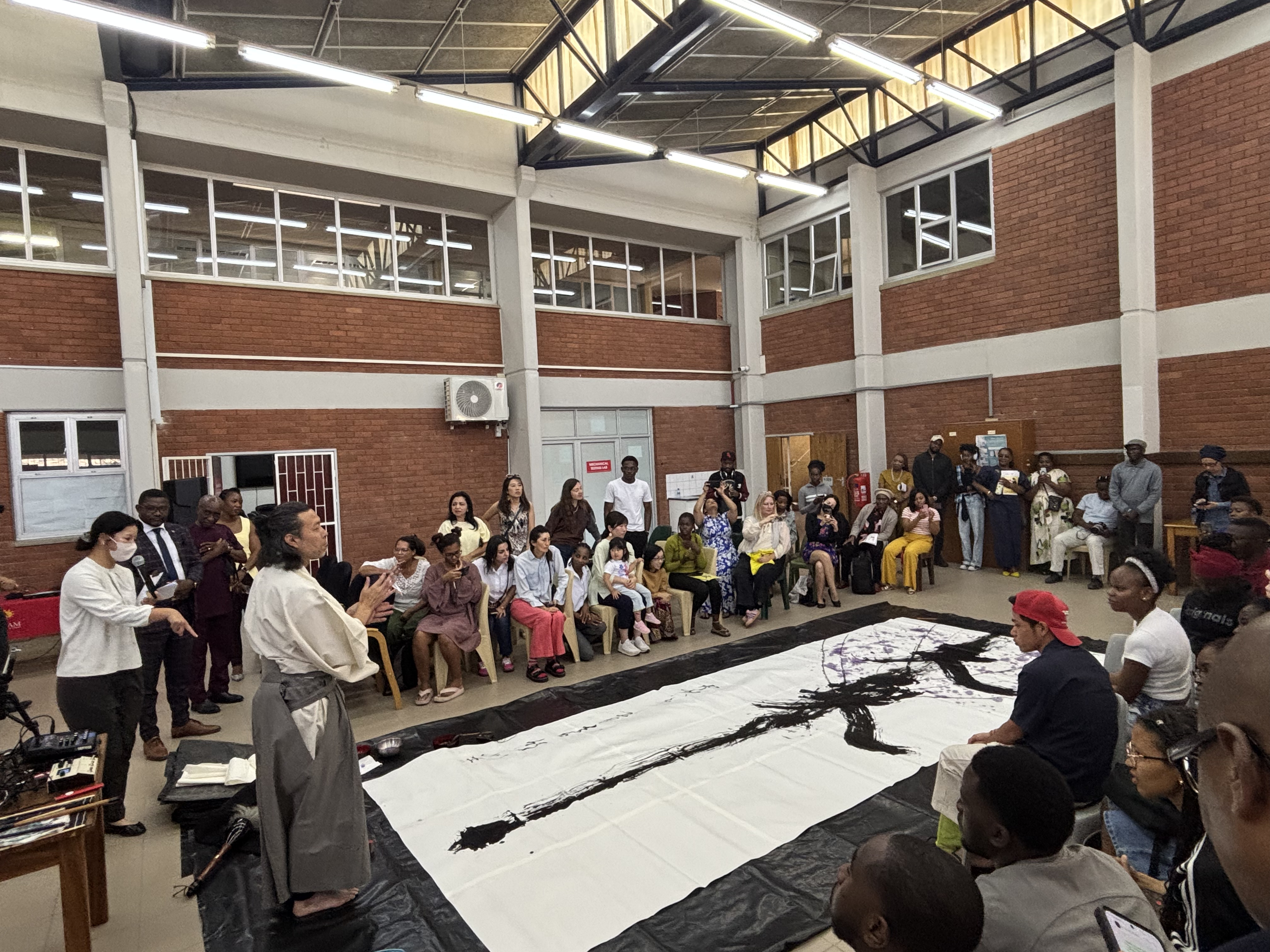
UNAM STUDENT UNION HALL
Thank you so much to everyone who joined us.
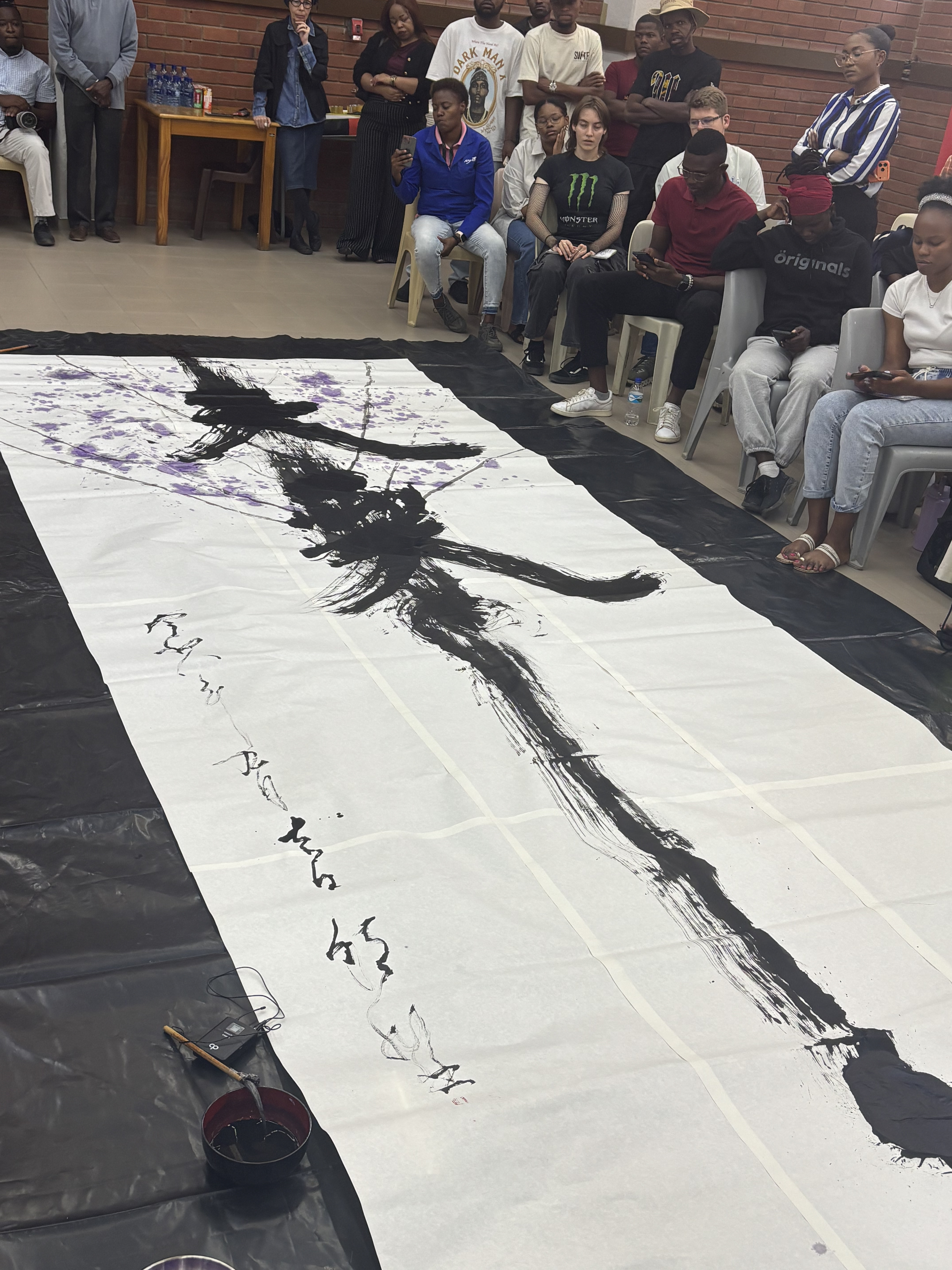
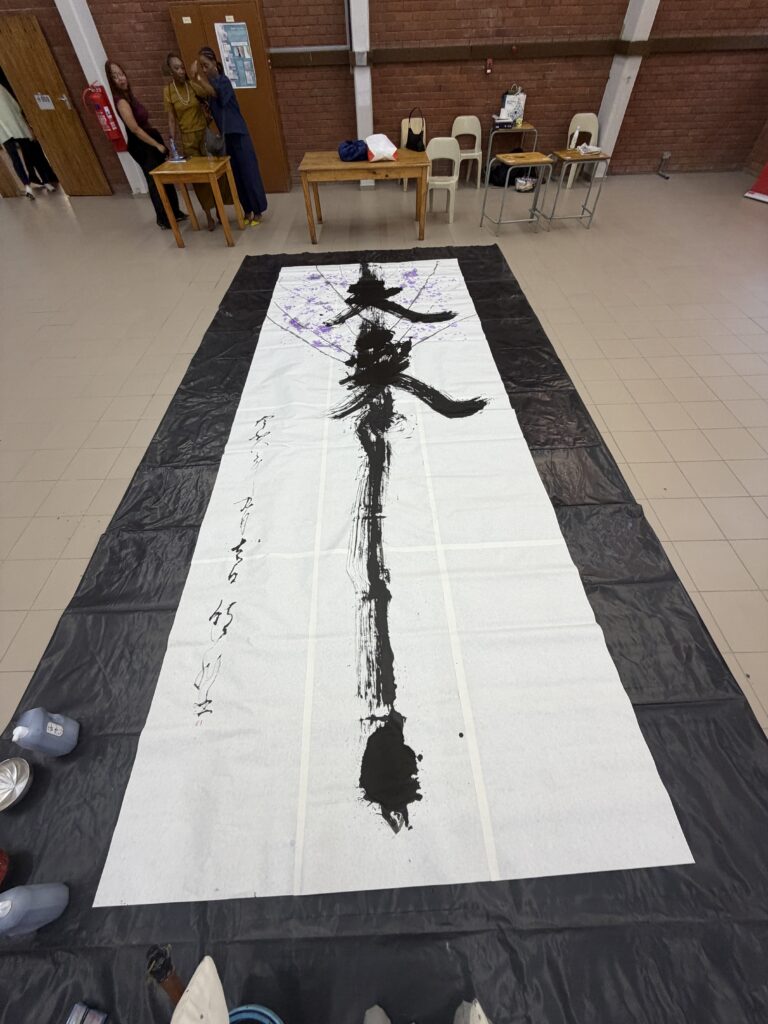
For this performance, I created the calligraphy piece:
未来 — MIRAI (Future)
as a message to the students of the University of Namibia.
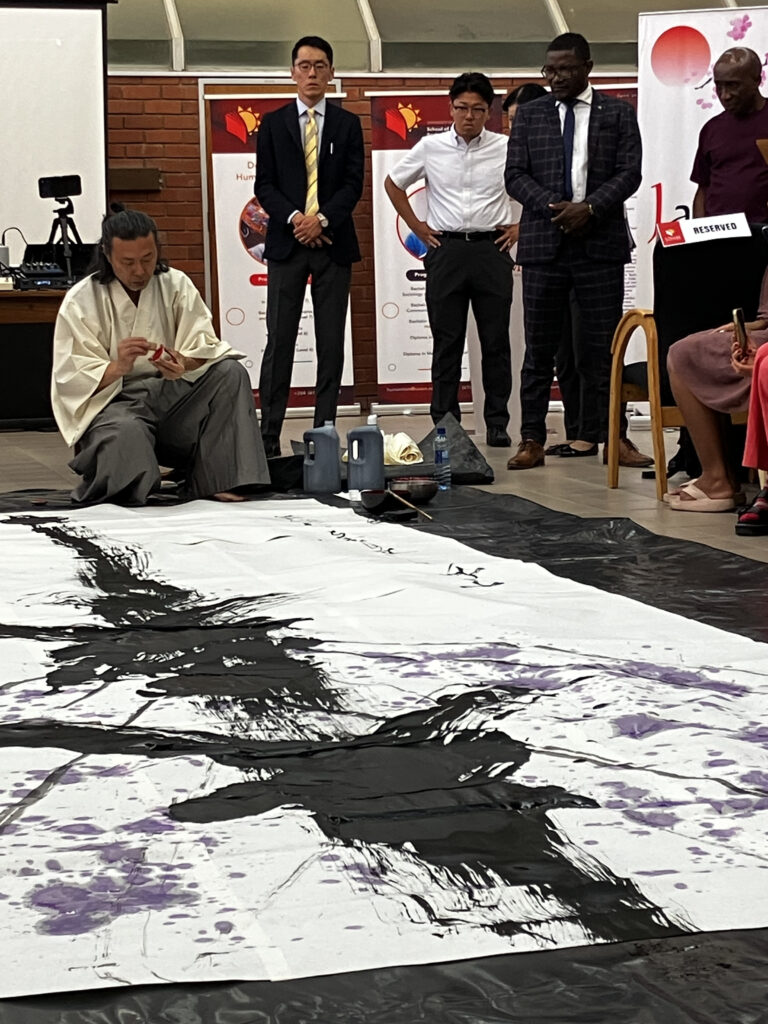
The performance began with a single, tiny seed.
From that seed, a sprout emerged, gradually growing into a tree.
Its branches extended in many different directions, each representing a different path in life.
Which path you choose is entirely up to you.
I hope each of you will have the courage to choose your own path and walk it in your own way.
After completing the tree, I took up a large brush and wrote 未来 — “Future.”
For each vertical stroke, I returned to the original seed and drew the brush upward from the bottom, creating powerful, bold lines.
My wish was that this university would become a seed for every student — a place from which each of you can take root, grow strong, reach higher, and expand into the future.
Finally, I added purple jacaranda blossoms to the tree.
On my way to the venue, I was deeply struck by the jacaranda trees blooming all across Windhoek.
With the new academic year having begun in September, I felt these flowers could become a symbol of encouragement and celebration for the students as they begin a new chapter in their lives.
May the seeds planted here grow strong.
May your branches reach far.
And may each of you create your own 未来 — Future.
Thank you as well to everyone who joined the calligraphy workshop afterward. It was wonderful to see you enjoying the experience of Japanese calligraphy.
Namib Desert
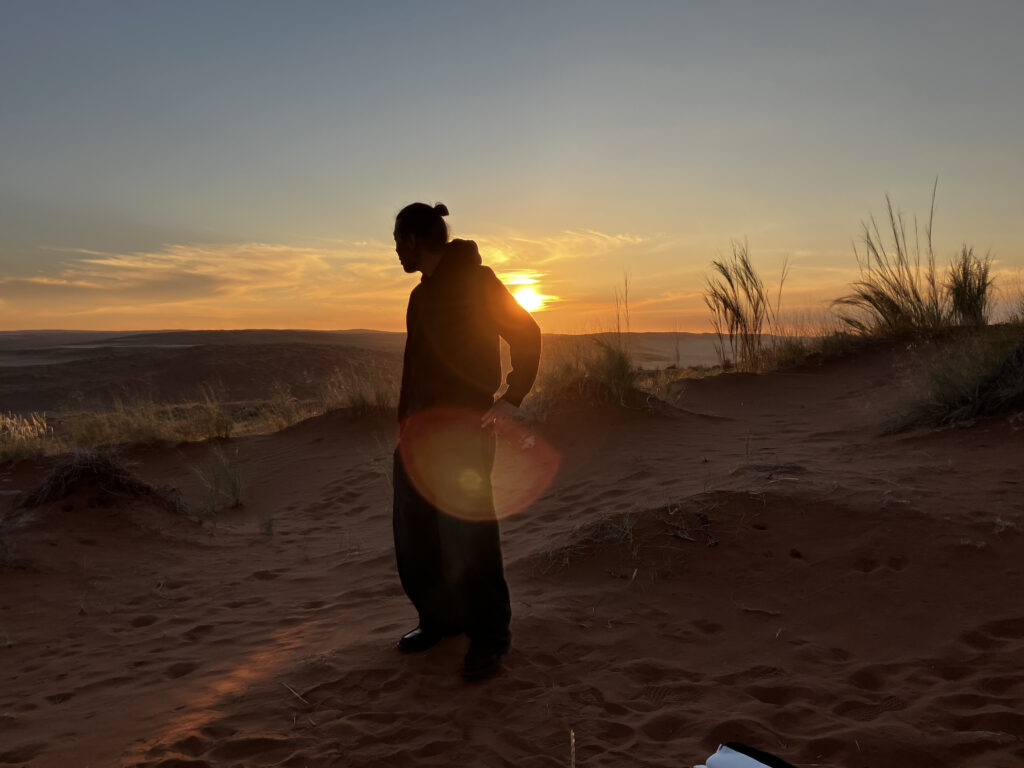
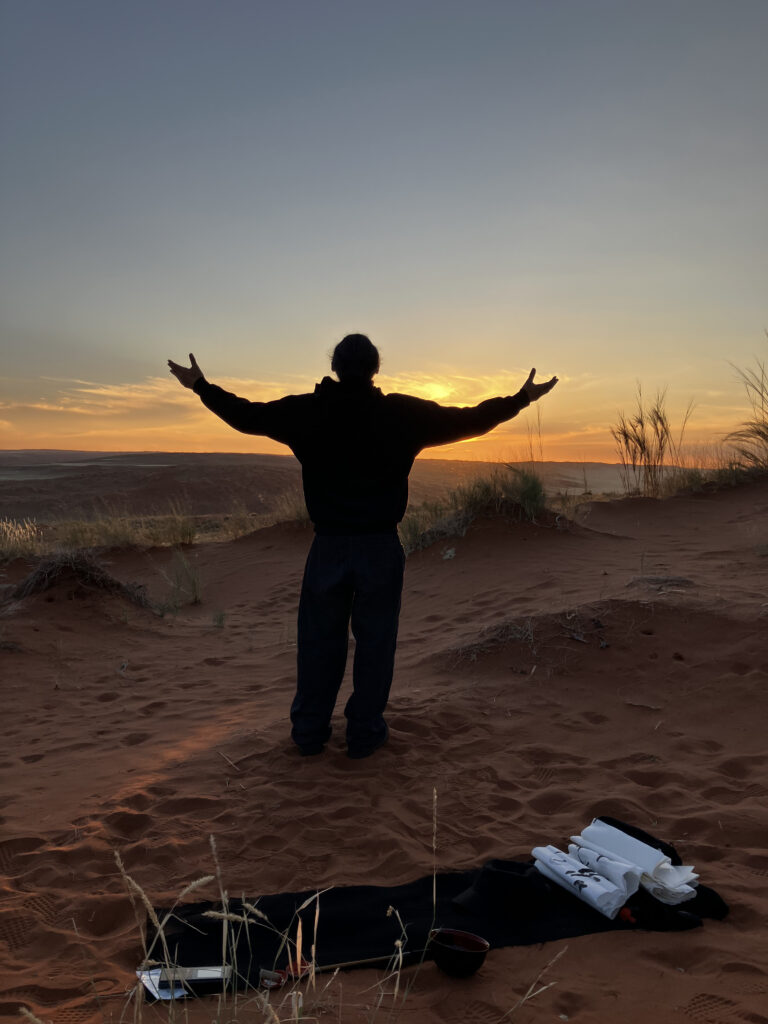
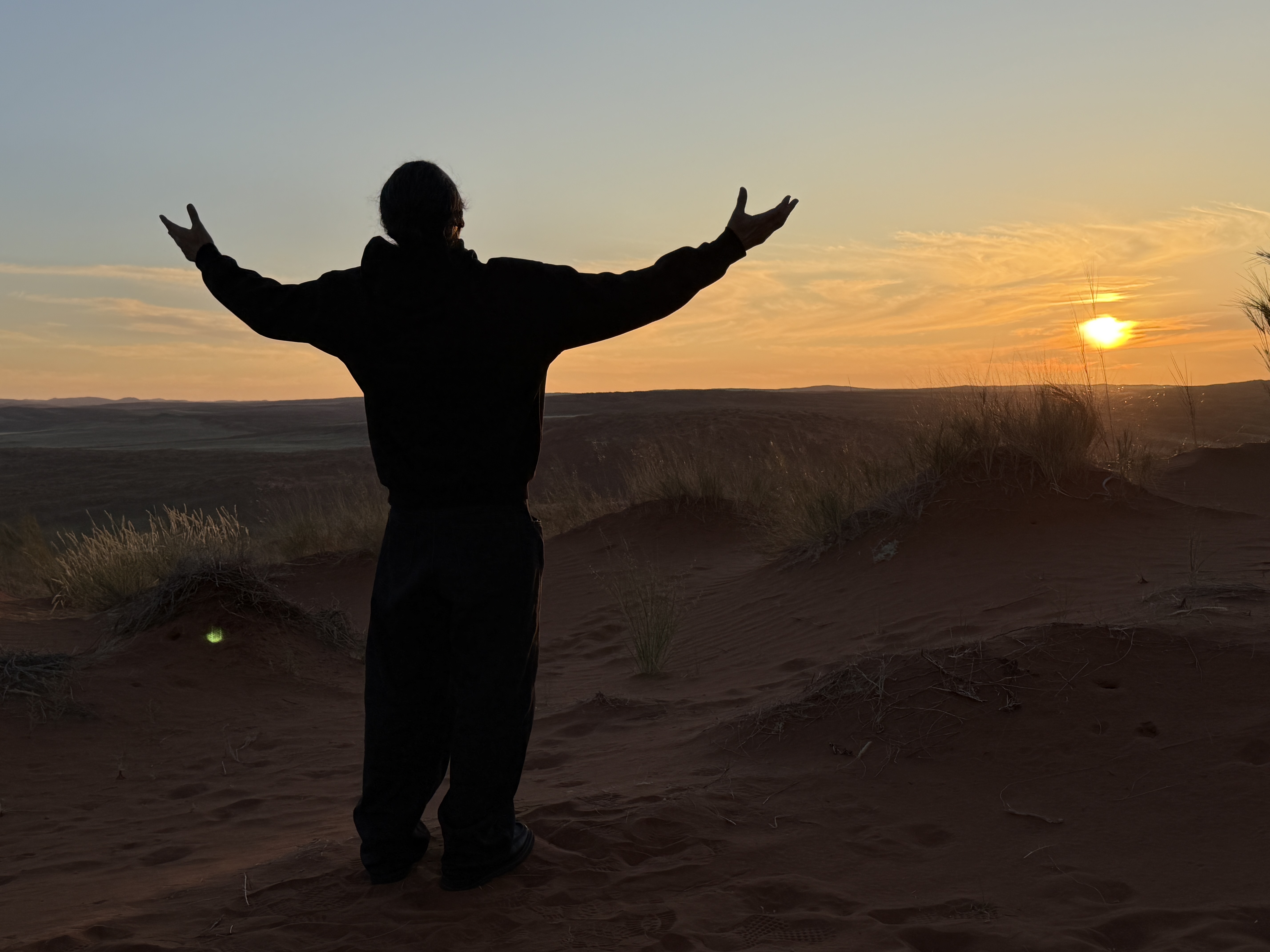
Sunset at Namibu dune
We headed into the Namib Desert.
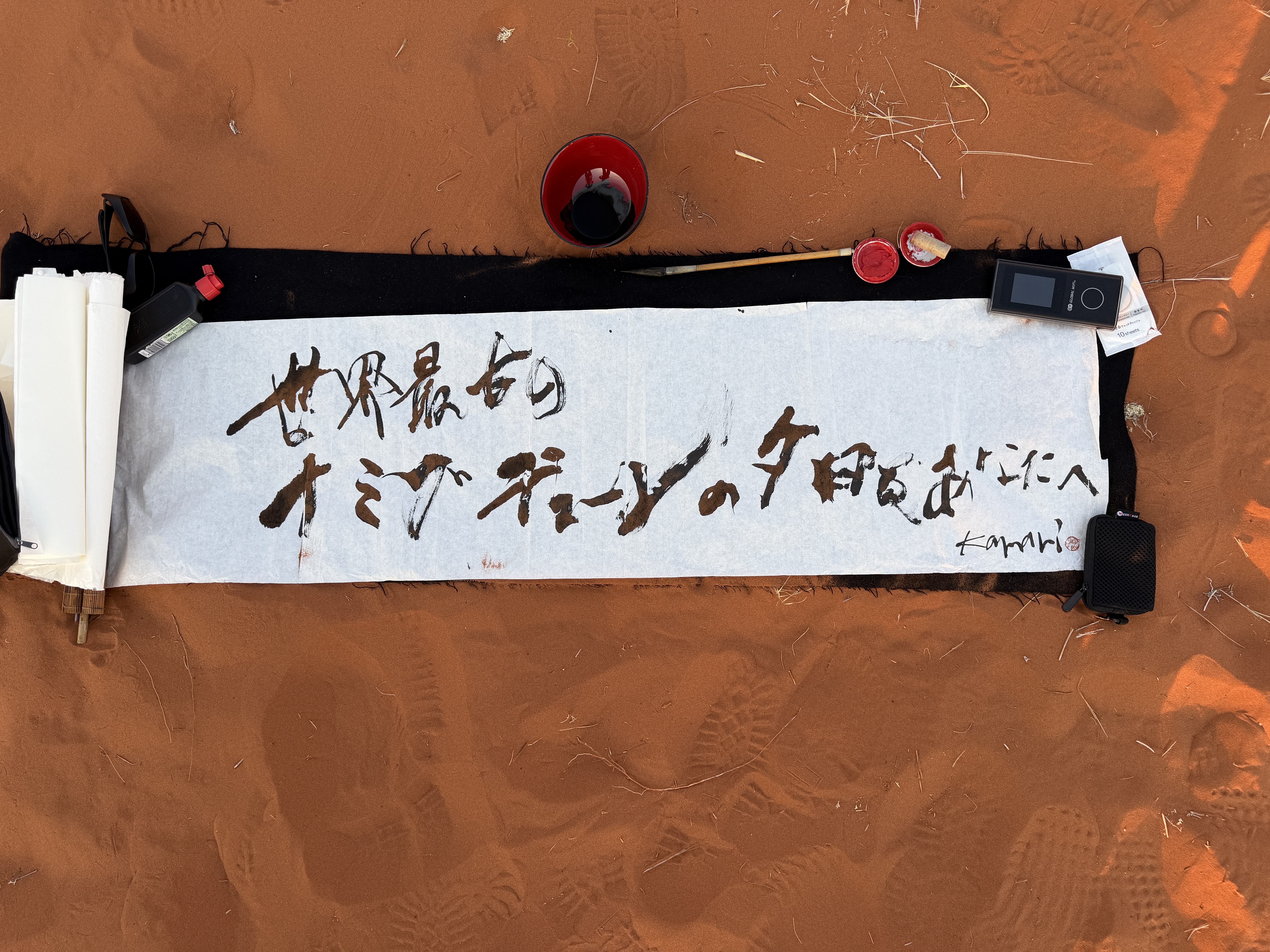
Sharing with you a sunset over the ancient dunes of the Namib — home to some of the oldest dunes in the world.
We climbed the dunes for more than an hour just to witness this moment, and the spectacular show of the setting sun made every step worth it.
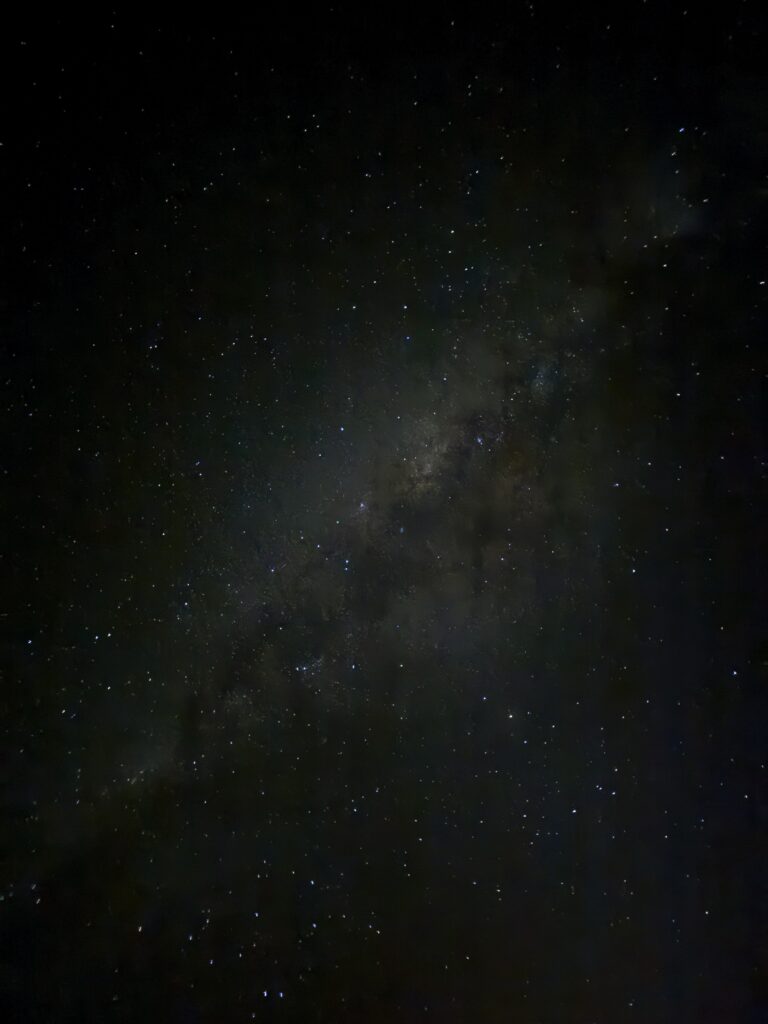
Sunrise at Namibu dune
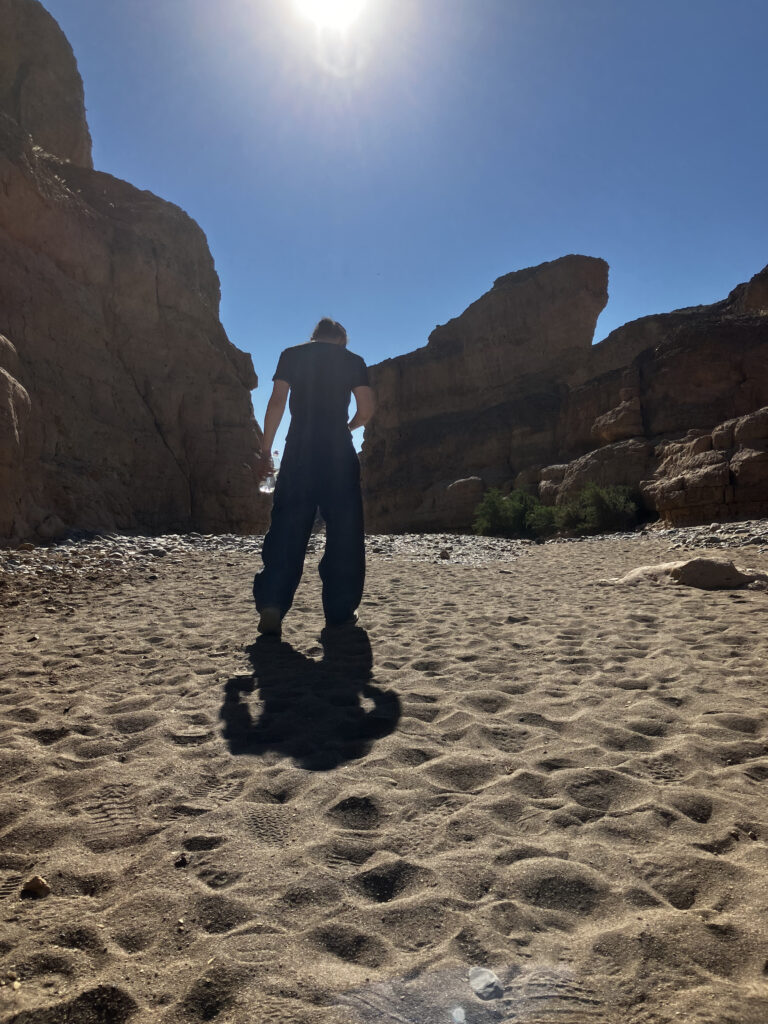
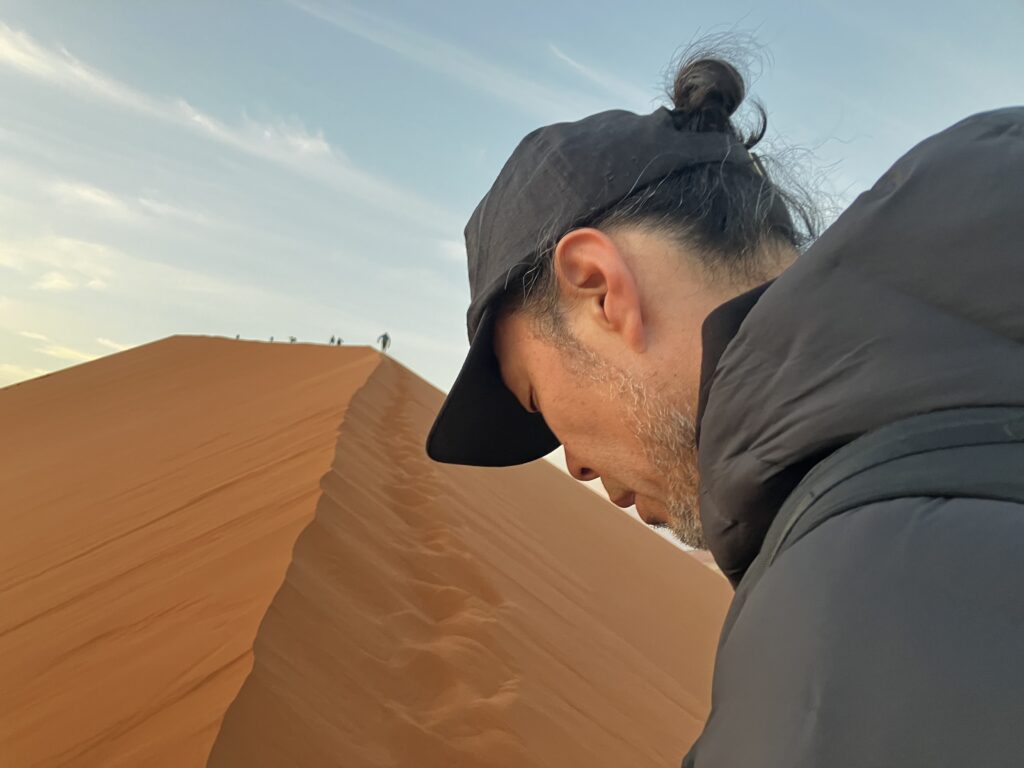
This morning, we set out before dawn to watch the sunrise over the Namib Desert—and found ourselves climbing another dune, just like yesterday!
Climbing sand dunes is harder than it looks. Your feet sink into the sand with every step…
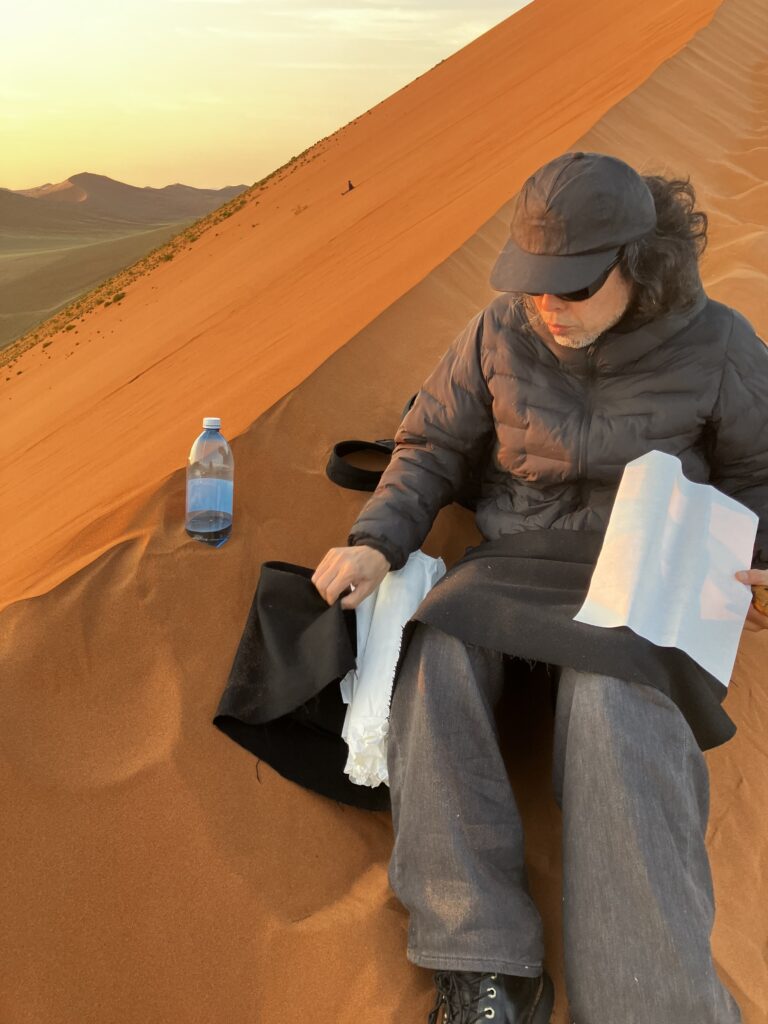
We climbed DUNE40 and waited for the sun to rise.
The dreamlike moon and the rising sun felt like a Namibian version of “Morning Relay.”
There on the dune, I wrote these words in calligraphy:
“Experiencing the morning relay in Namibia.
May I continue to experience it around the world.”
A wish offered to the rising sun.
With gratitude for the magnificent rhythms of nature.
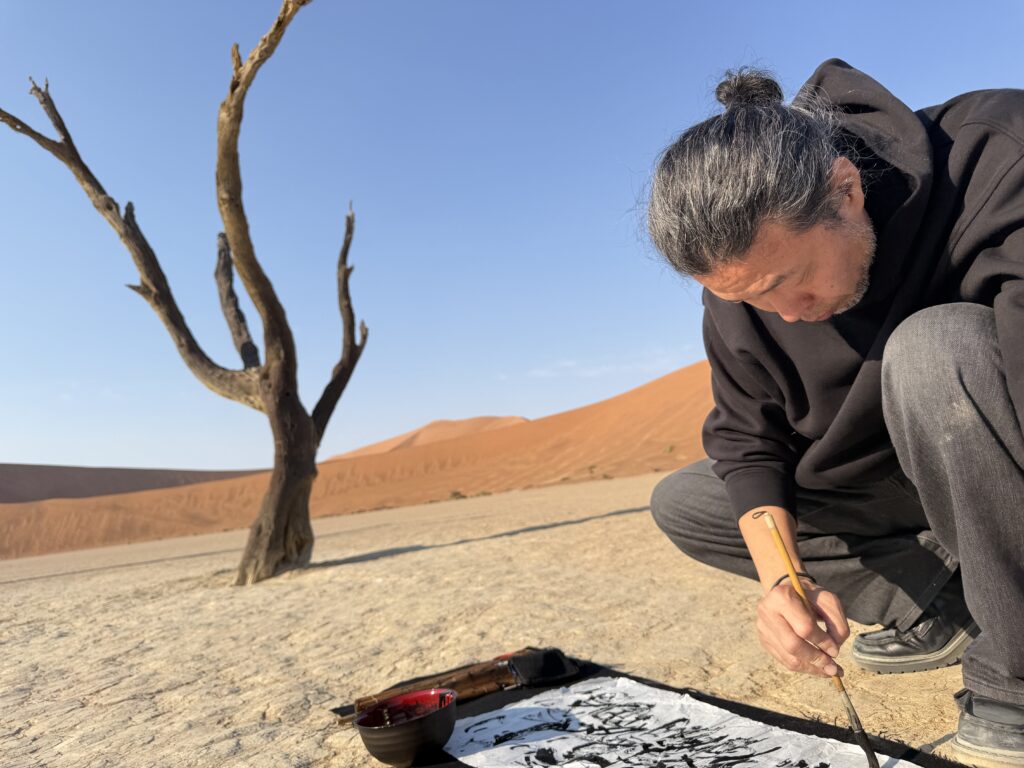
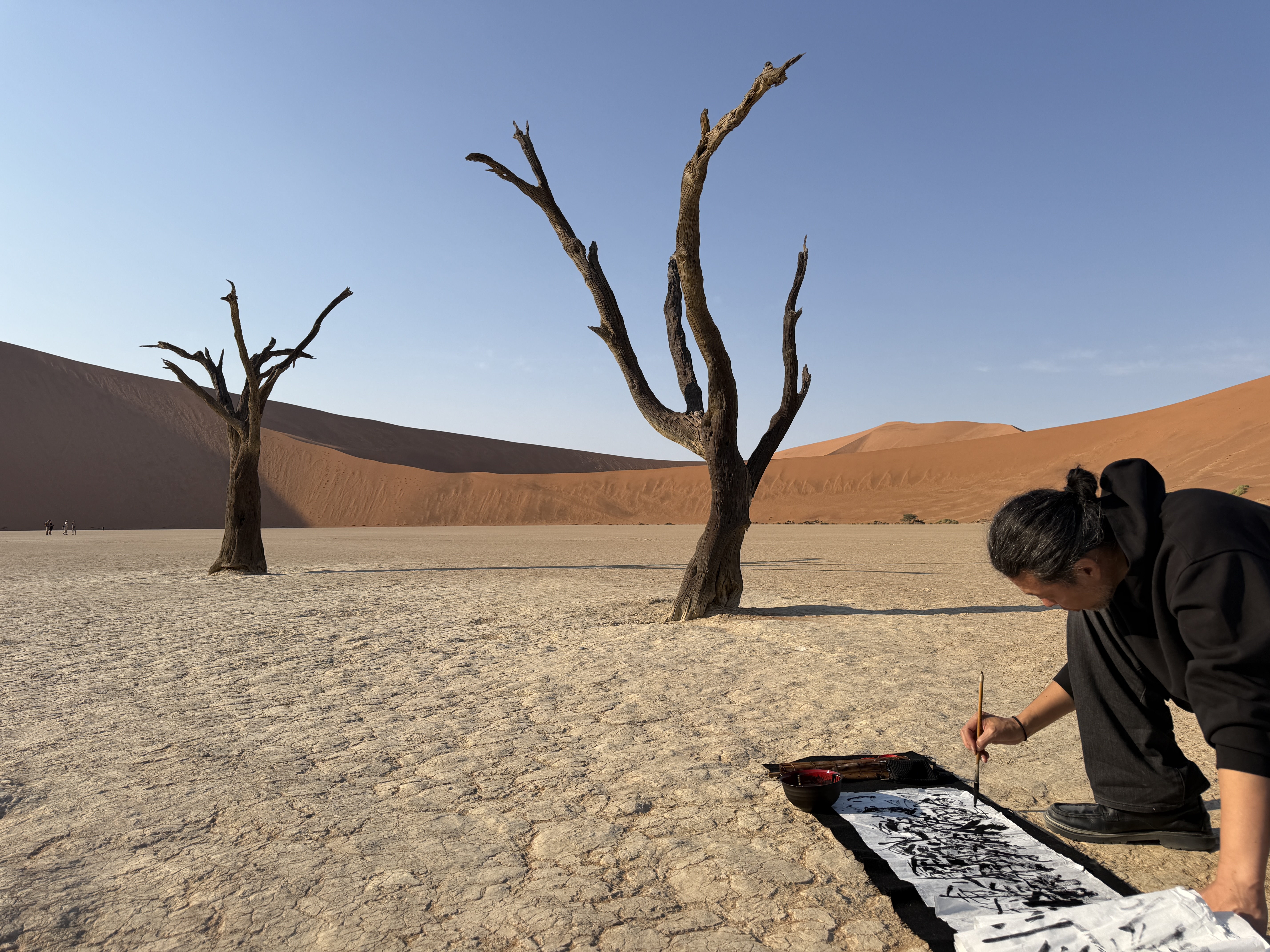
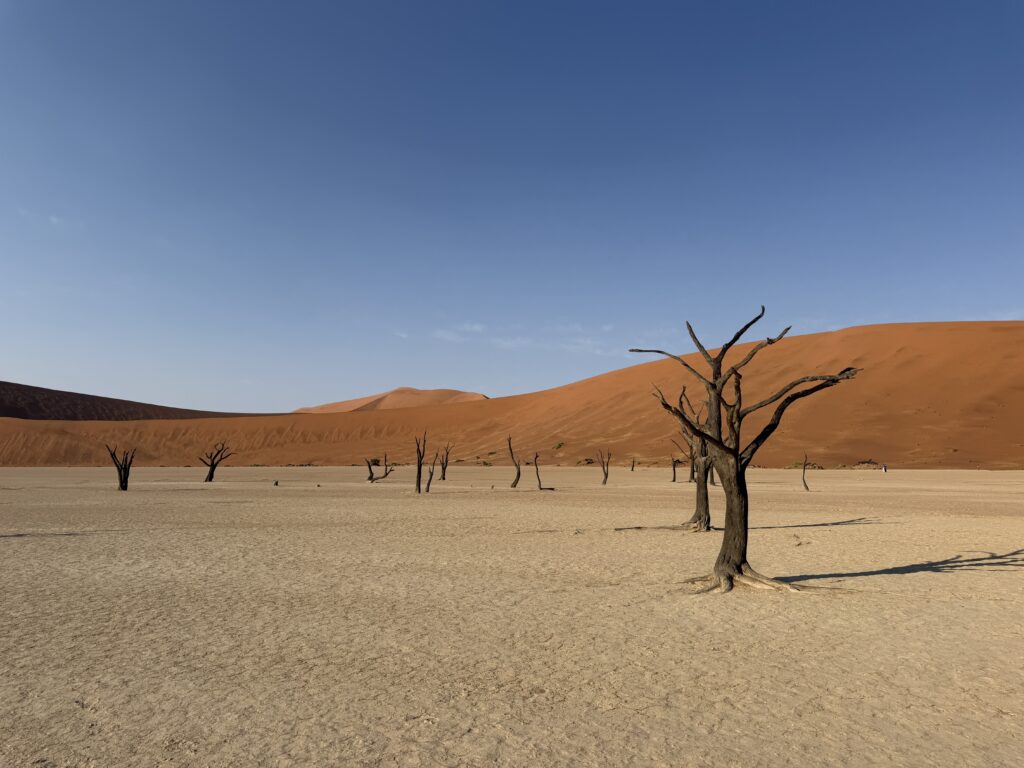
DEAD VLEI
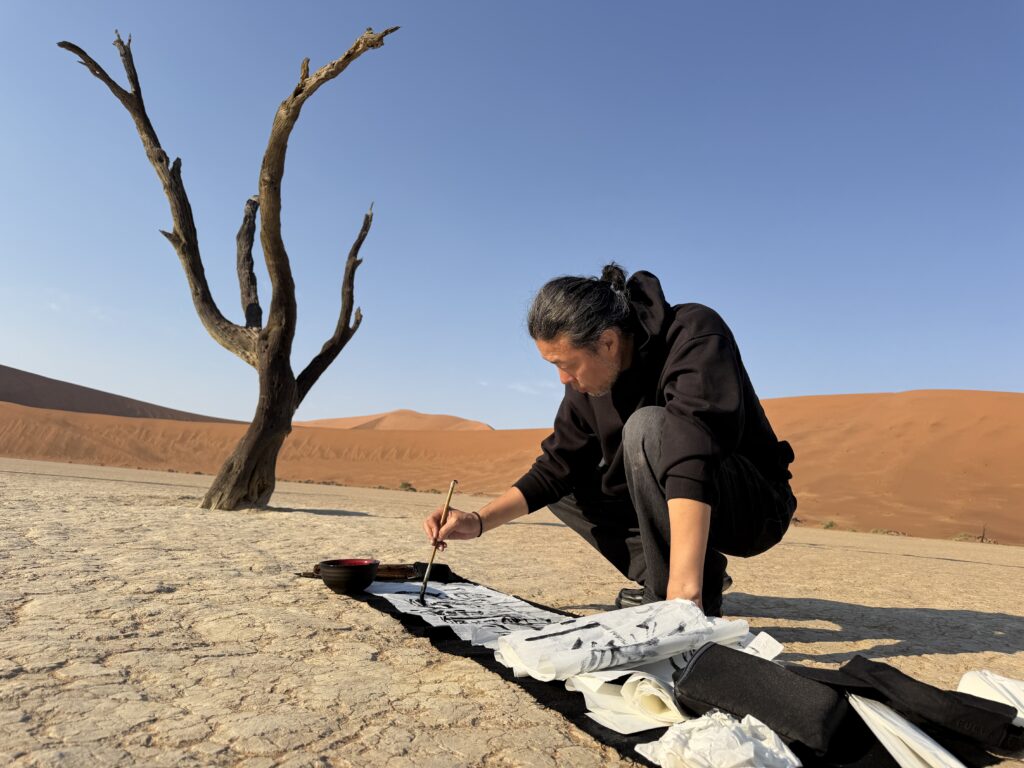
Here at Deadvlei — the “dead marsh” — water once flowed in when the river flooded, allowing camel thorn trees to grow.
Later, as the dunes shifted and blocked the flow of water, the trees eventually died. Yet because of the extremely dry climate, they did not decompose. Some have remained standing here for more than 900 years.
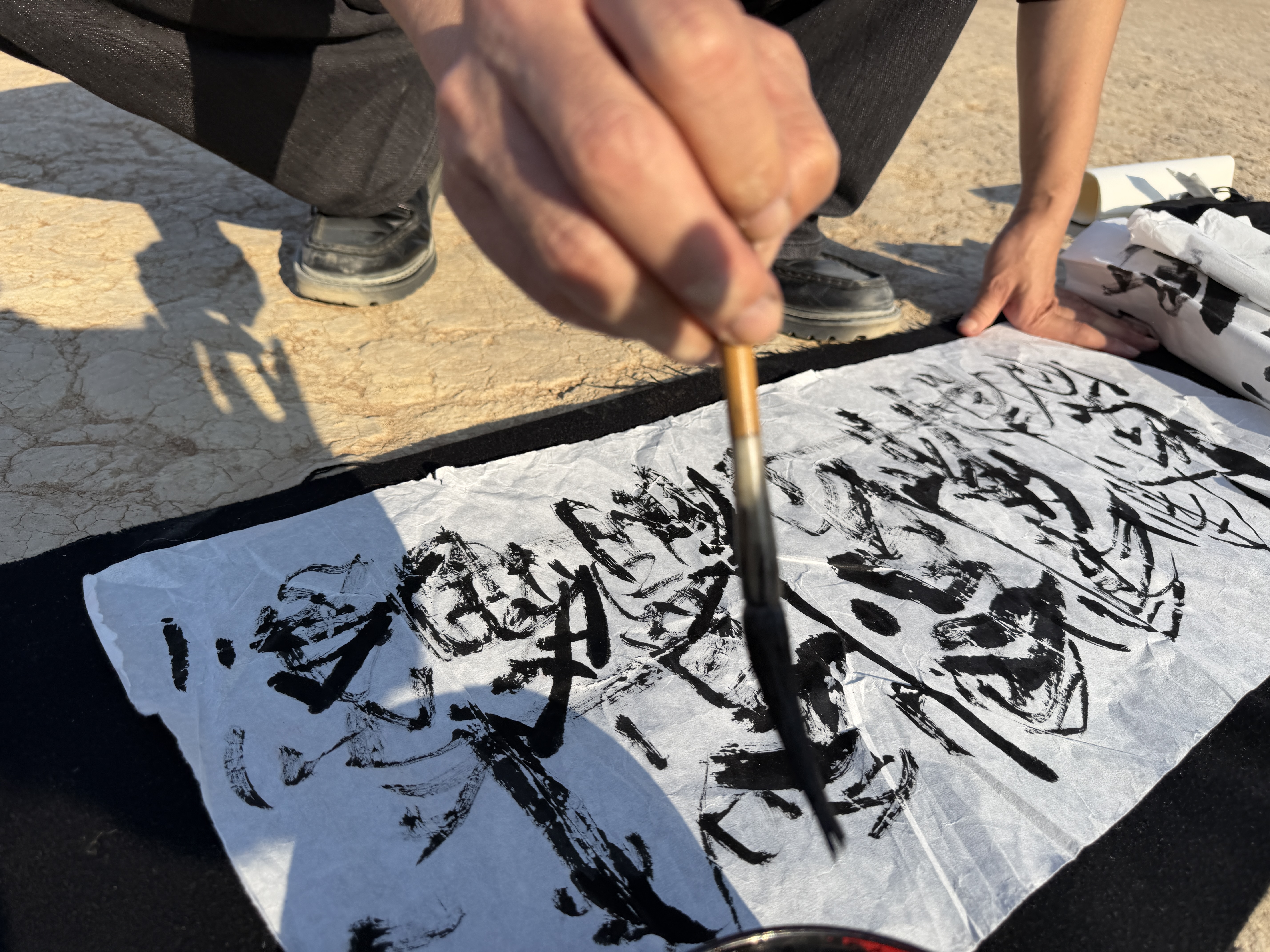
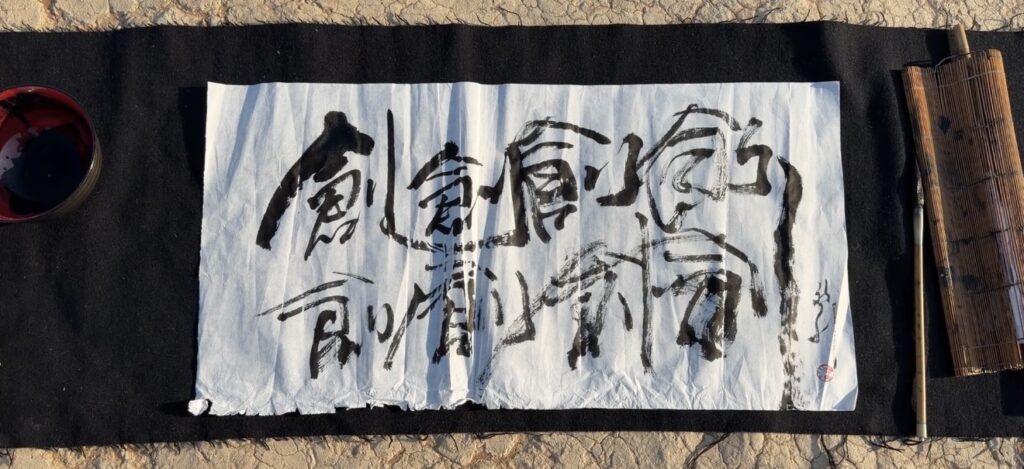
創 × 創
Creation × Creation
Even after their lives have ended, these trees continue to remain.
In the same way, I hope to continue creating throughout my life — and that the works I create will remain long after I am gone.
With that thought in mind, I wrote these two characters:
創 × 創 — Creation × Creation.
From there, we moved on to Sossusvlei — the “dead-end marsh” — just a short distance from Deadvlei.
Here, the Tsauchab River flows inland until it is blocked by the enormous sand dunes, preventing it from ever reaching the ocean. This is where the river comes to an end, leaving behind a vast, flat basin of salt and clay.
The water that remained was milky white, but in this arid land, it is an invaluable source of life, attracting many animals.
As I stood there in complete silence, listening only to the birds singing, I suddenly found myself thinking of fishing along the river near my office back home in Sabae, Japan.
One place without water.
Another where water remains.
Two landscapes lying so close together, yet so completely different.
All around the world, there are places filled with inspiration for art.
I want to go farther.
To see more of the world.
To keep creating.
And that desire only grows stronger.
Angola
Museu nacional de antropologia
ANGOLA
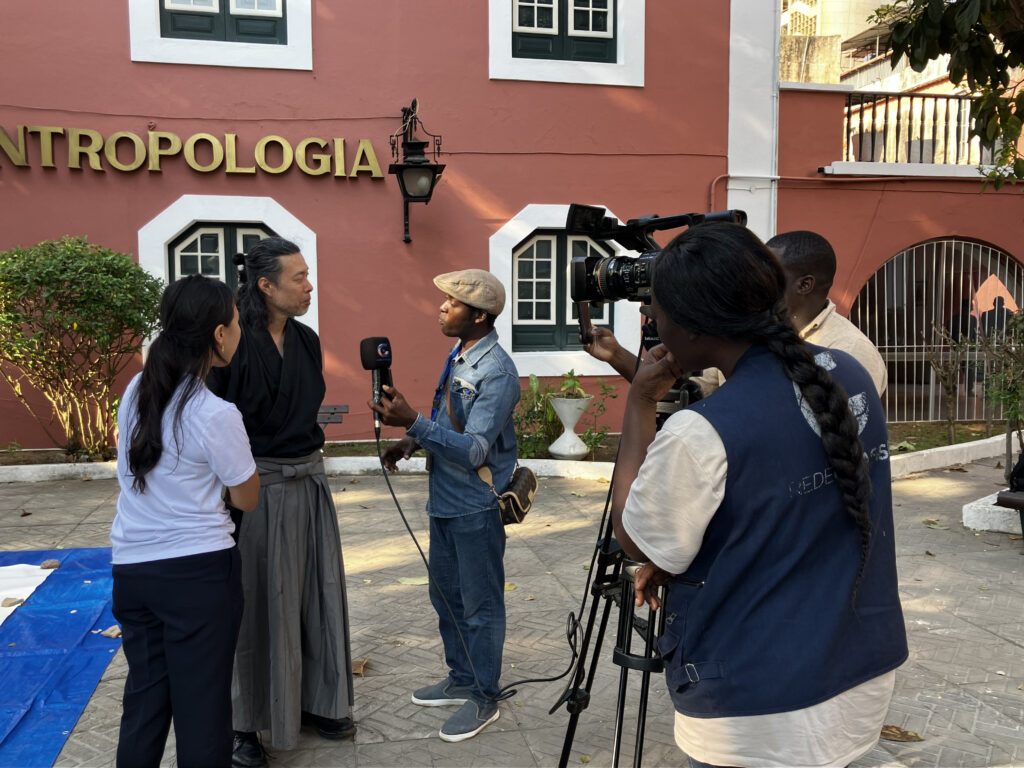
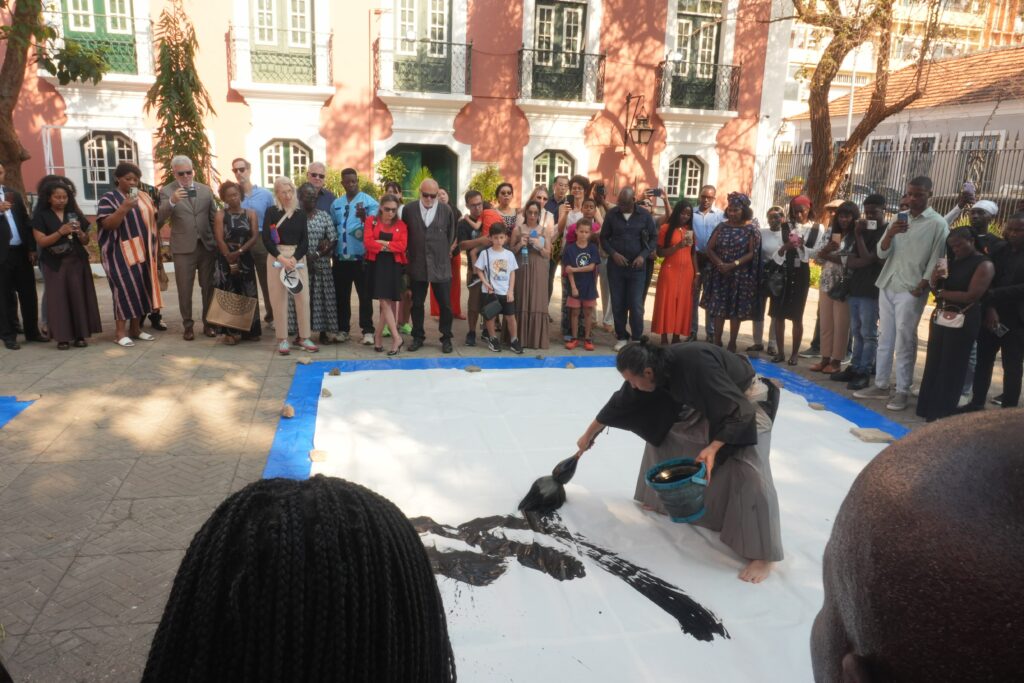
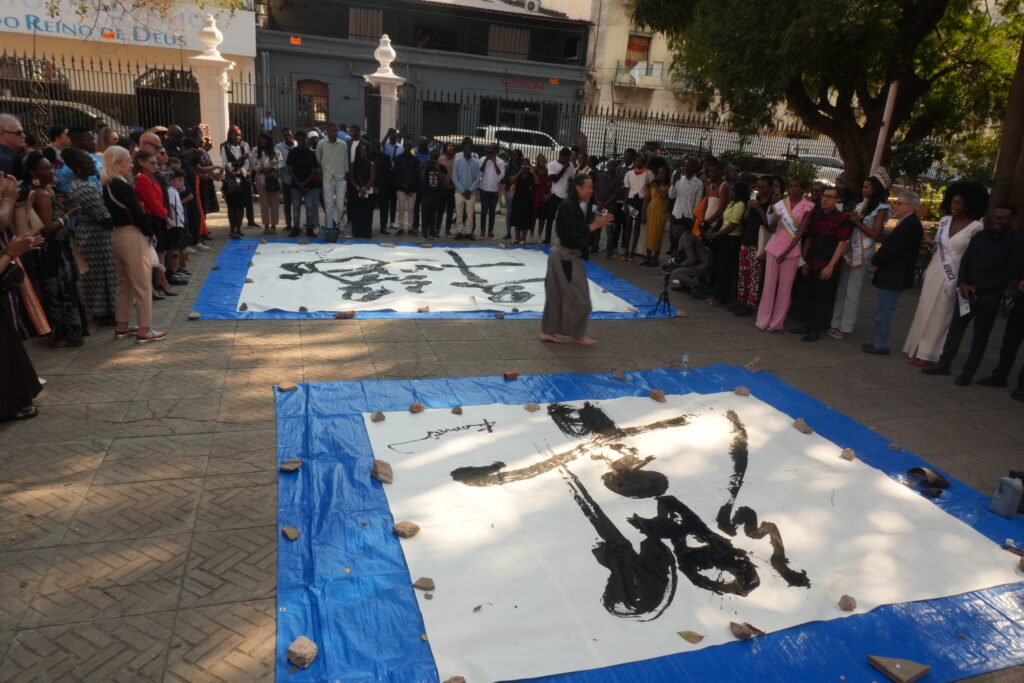
Museu Nacional de Antropologia
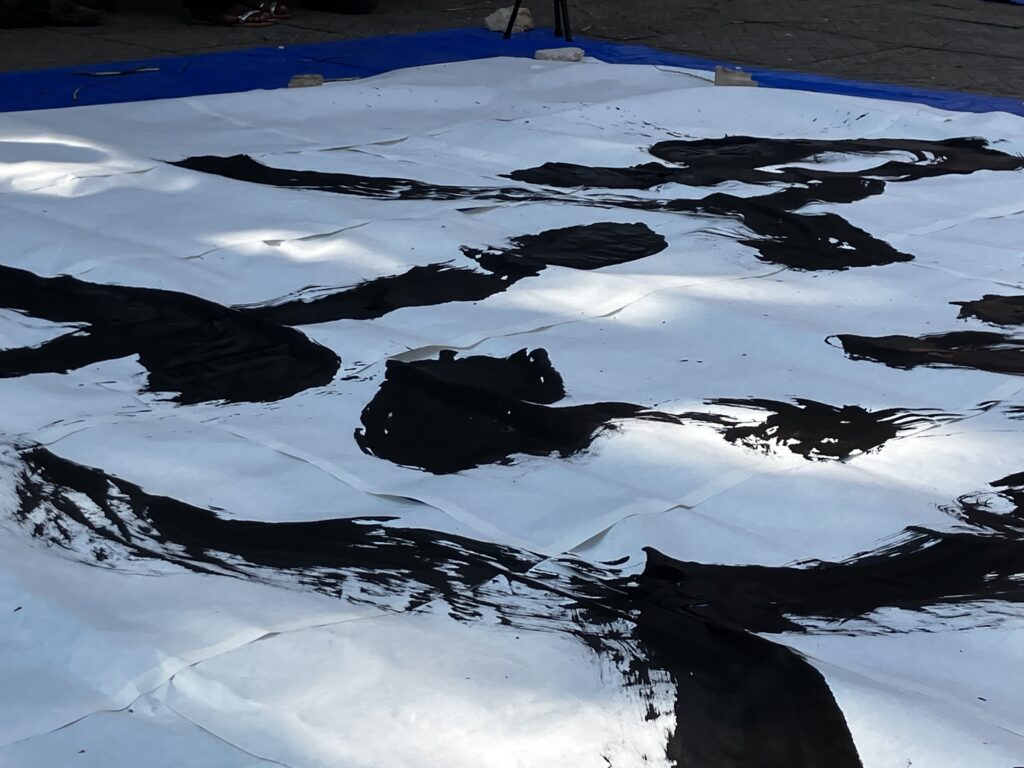
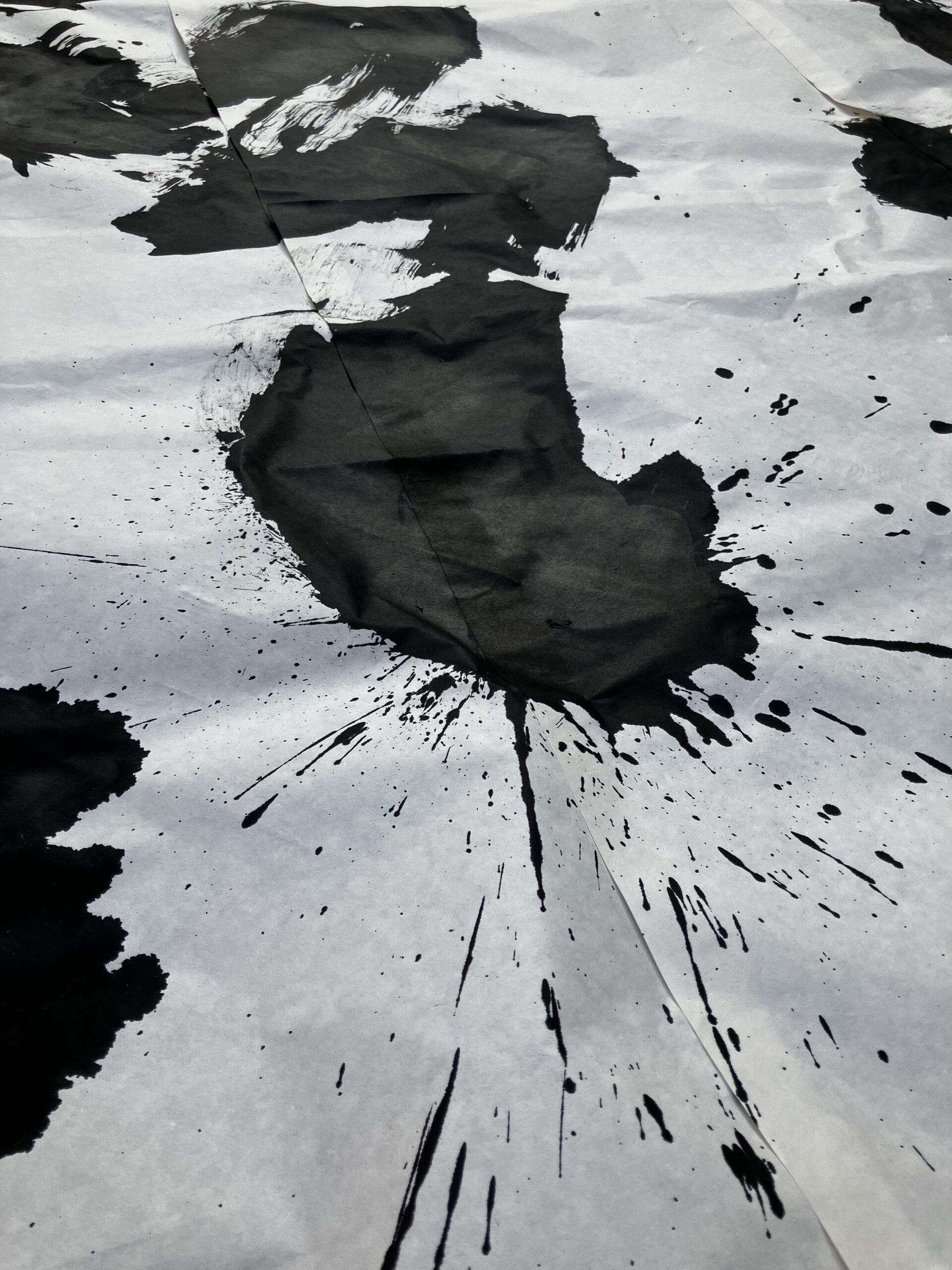
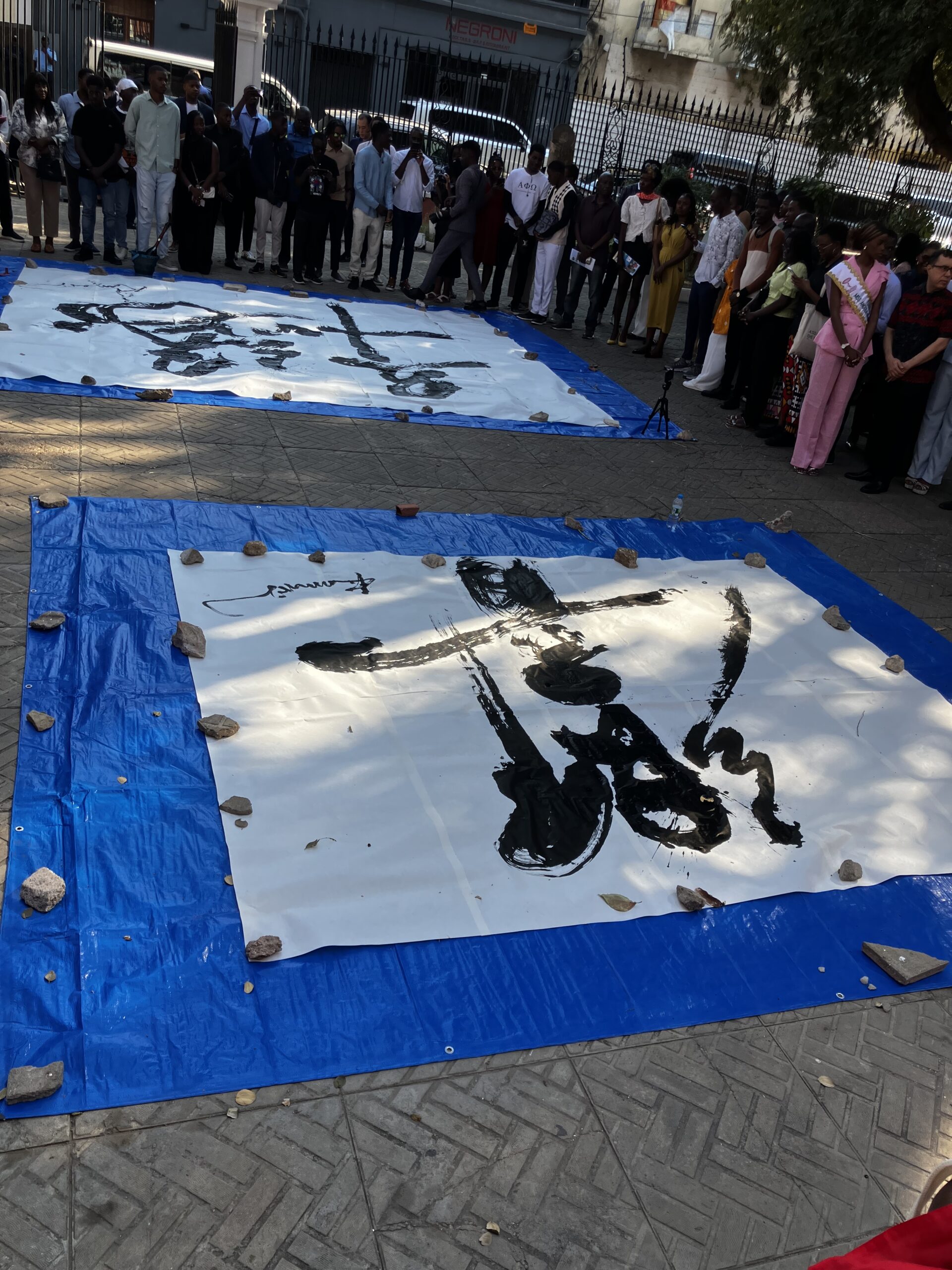
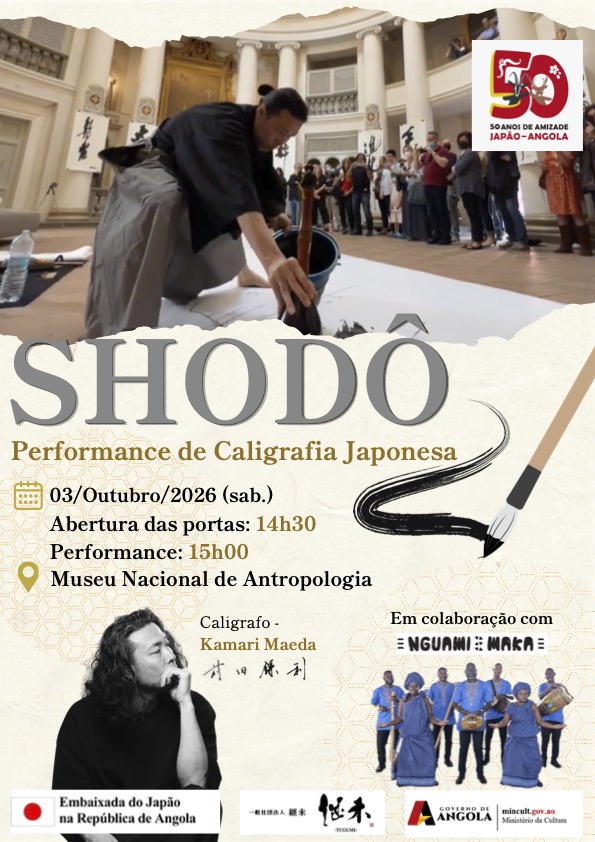
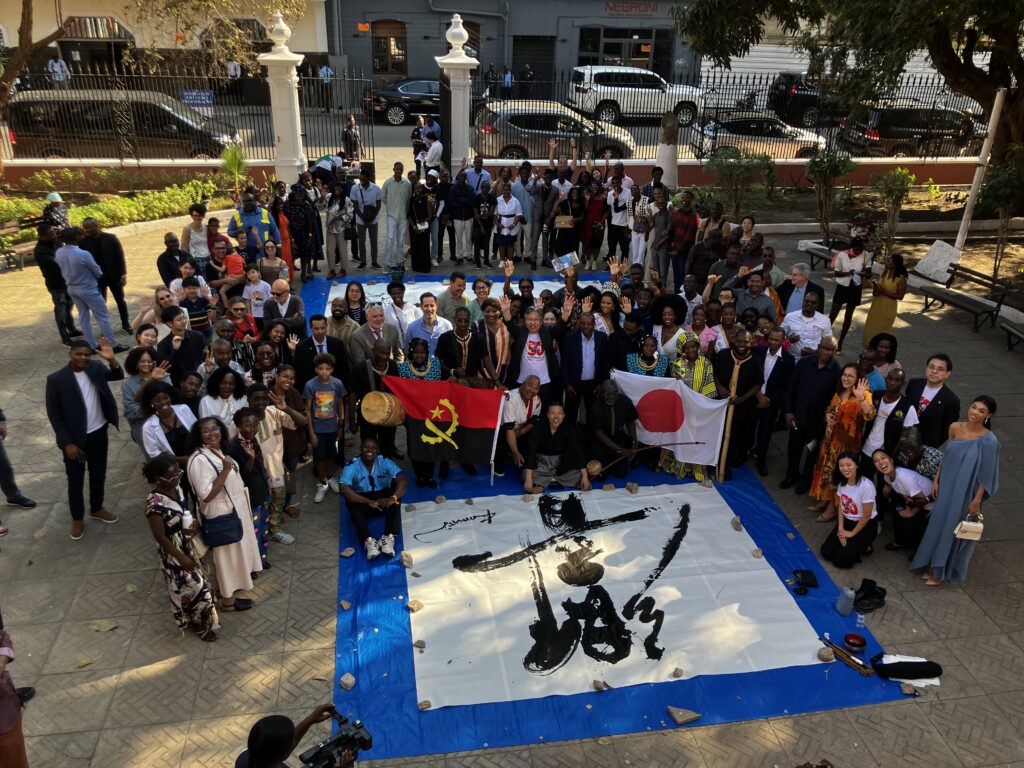
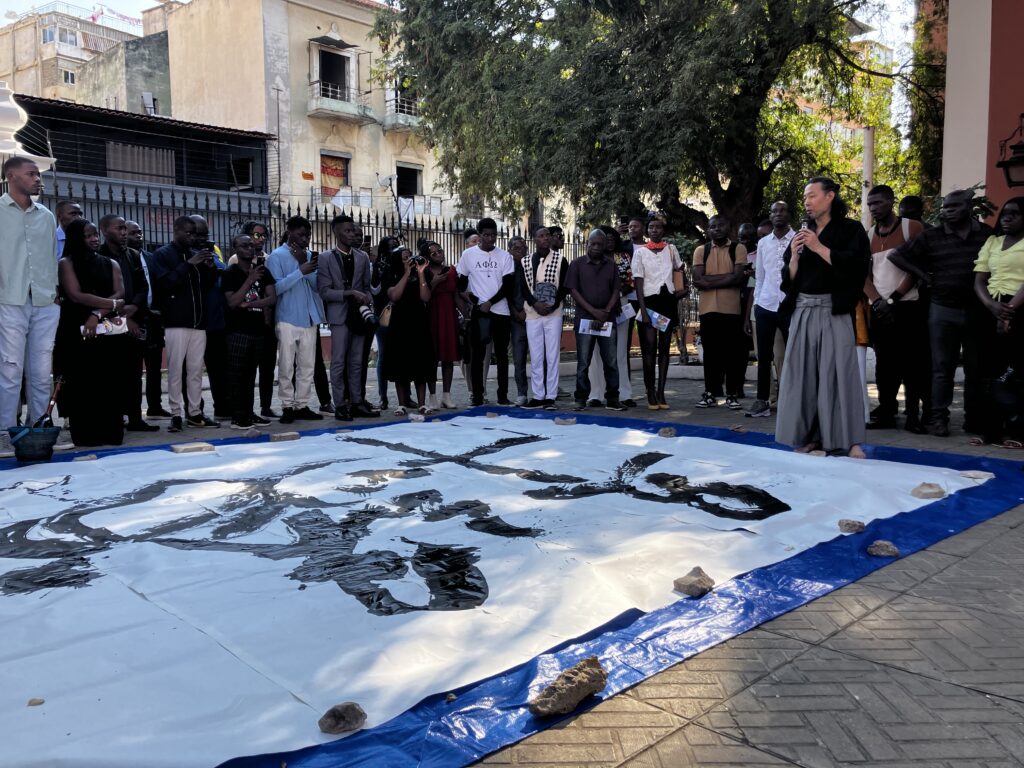
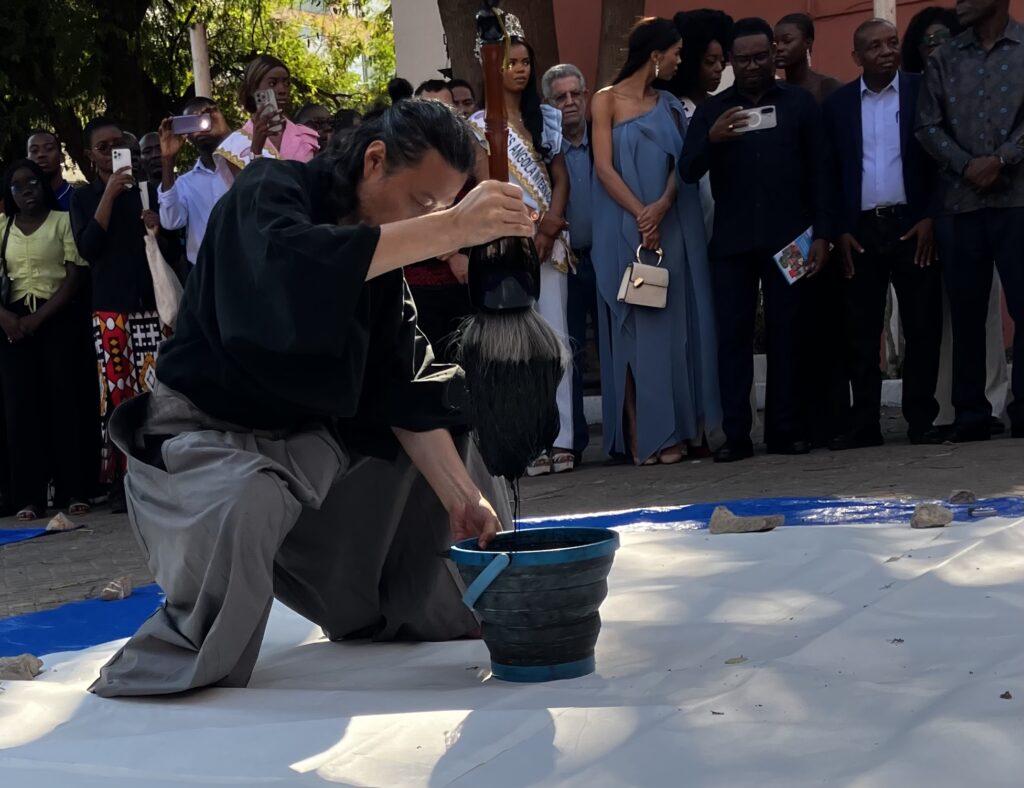
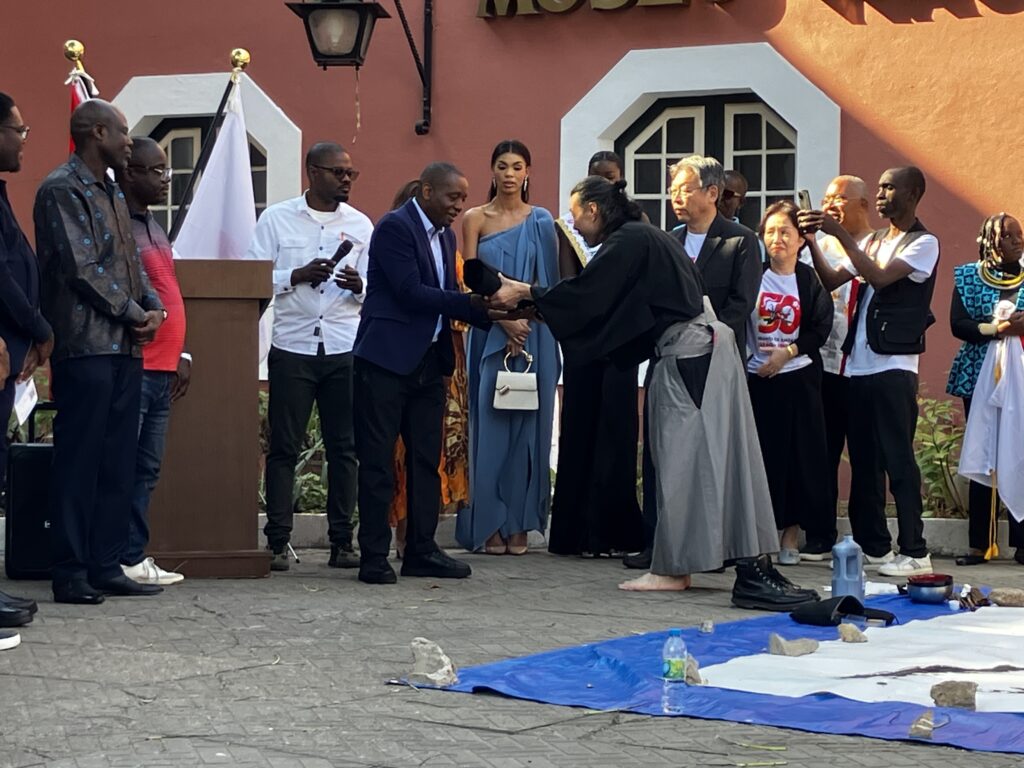
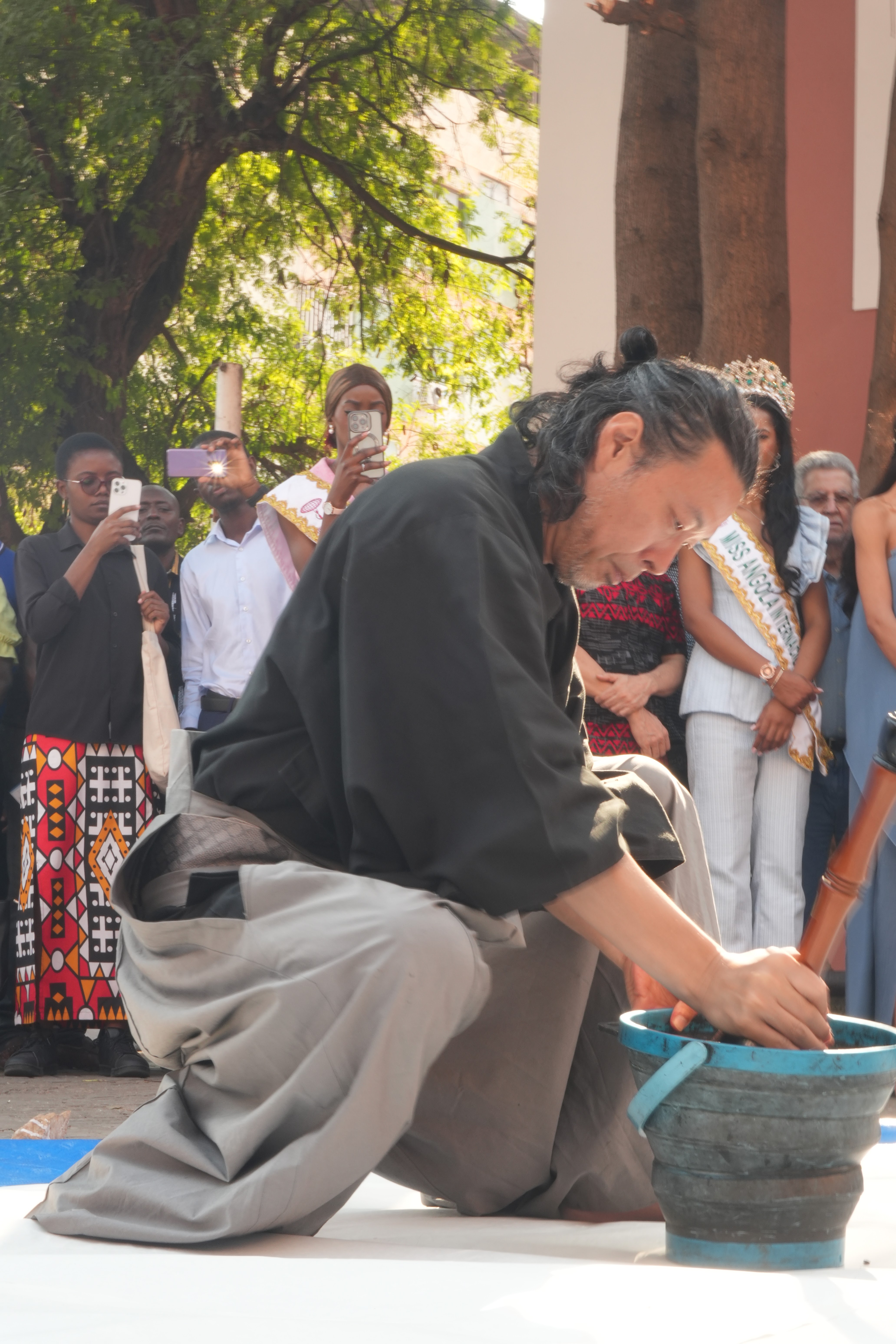
More than 100 people joined us for a special performance celebrating the 50th anniversary of diplomatic relations between Angola and Japan.
I performed to the music of Angolan artists Nguami Maka.
The first work was:
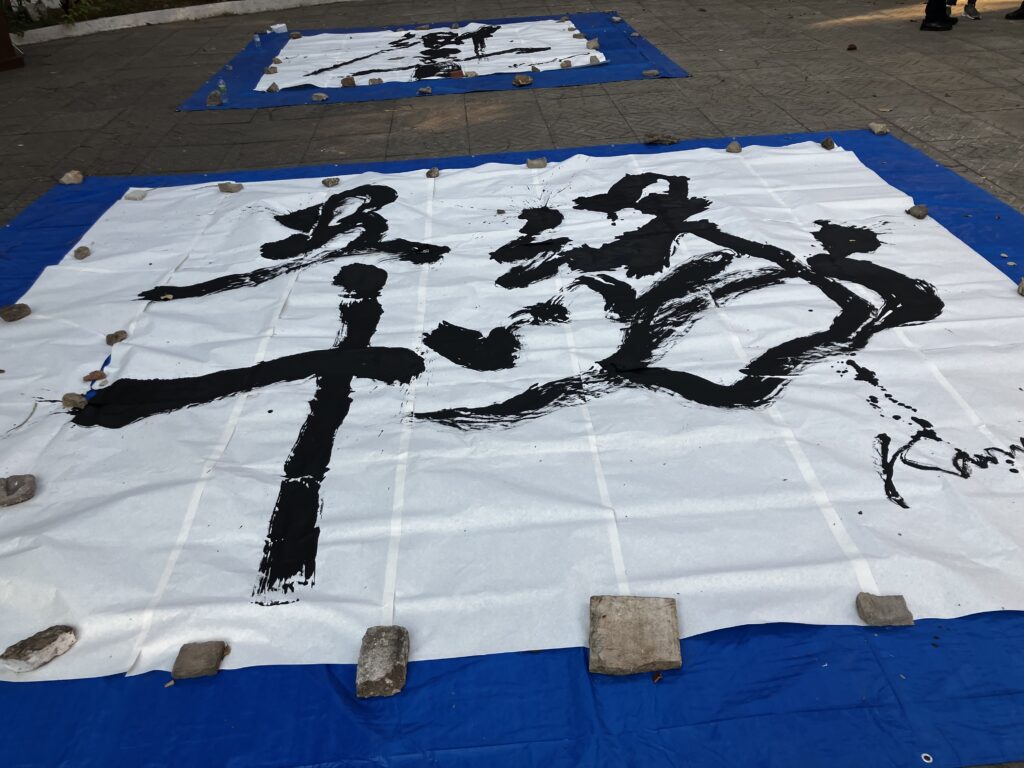
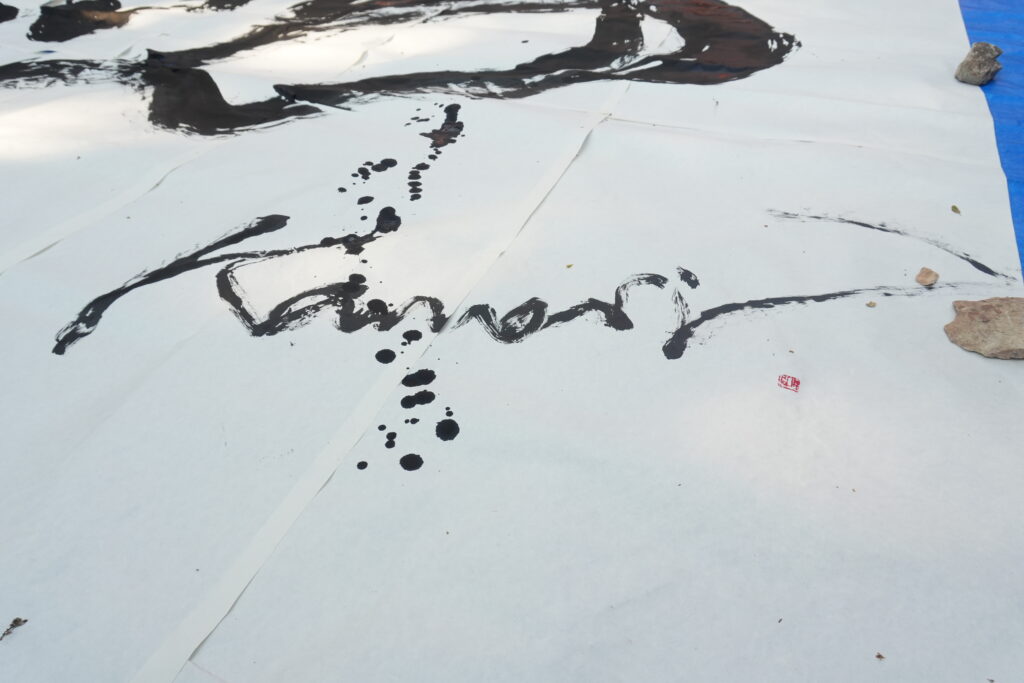
響 — HIBIKI (Resonance)
2.5m × 3.5m
Inspired by their distinctive rhythms, I expressed the sensation of Angolan music resonating through our bodies. The “sound” element dances with the rhythm, while the vertical stroke represents the sound traveling all the way from Angola to Japan.
The second work was:
五十縁 — GOJŪ-EN (Fifty Bonds)
5m × 5m
Fifty years of relations between Japan and Angola are more than simply the passage of time. They are the accumulation of countless encounters and bonds between people.
In Japanese, “fifty years” is 五十年.
I replaced 年 (year) with 縁 (bond/connection):
五十年 → 五十縁
Fifty Years → Fifty Bonds
With the hope that this 50th anniversary will be not a destination, but a milestone toward many more decades—and centuries—of friendship.
For this performance, Nguami Maka played “Angola Ondo,” a piece previously created in collaboration with Japanese artists.
Music and calligraphy connect us beyond borders.
Both works will be donated to and become part of the collection of the Museu Nacional de Antropologia.
My heartfelt gratitude to Ambassador Sano, the Embassy of Japan in Angola, everyone involved with the museum and event, and all who joined us.
May this bond lead to new encounters and future activities for peace around the world.
在アンゴラ日本国大使館
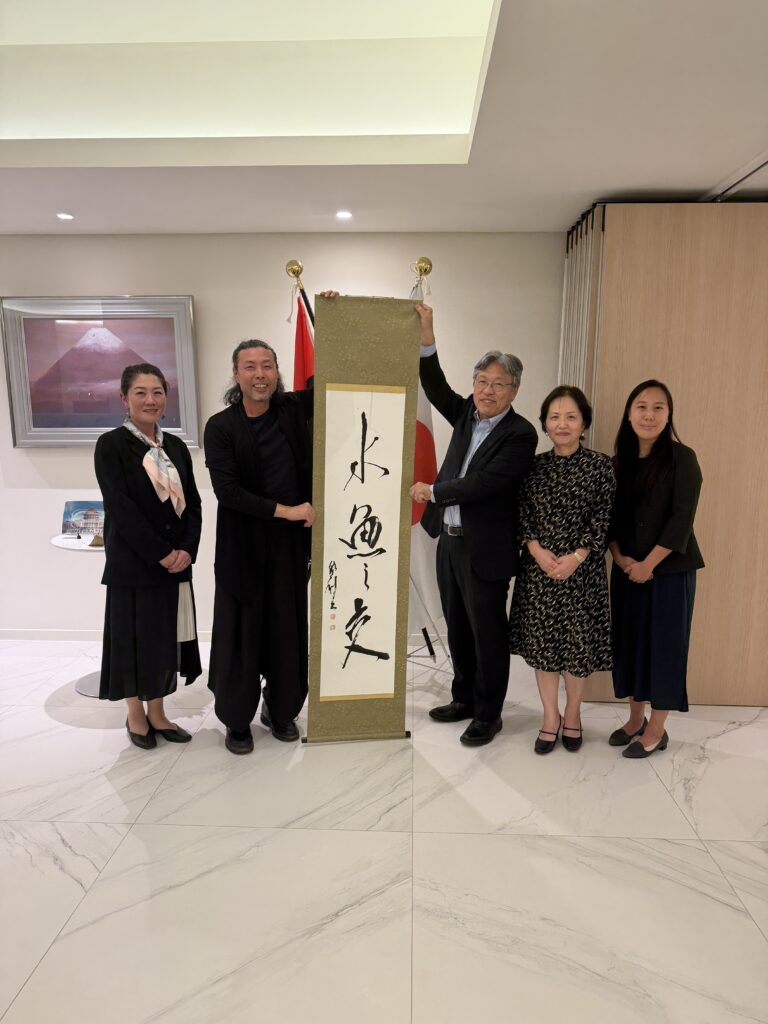
I had the honor of paying a courtesy visit to the Embassy of Japan in Angola.
The words I had the privilege of creating in calligraphy were:
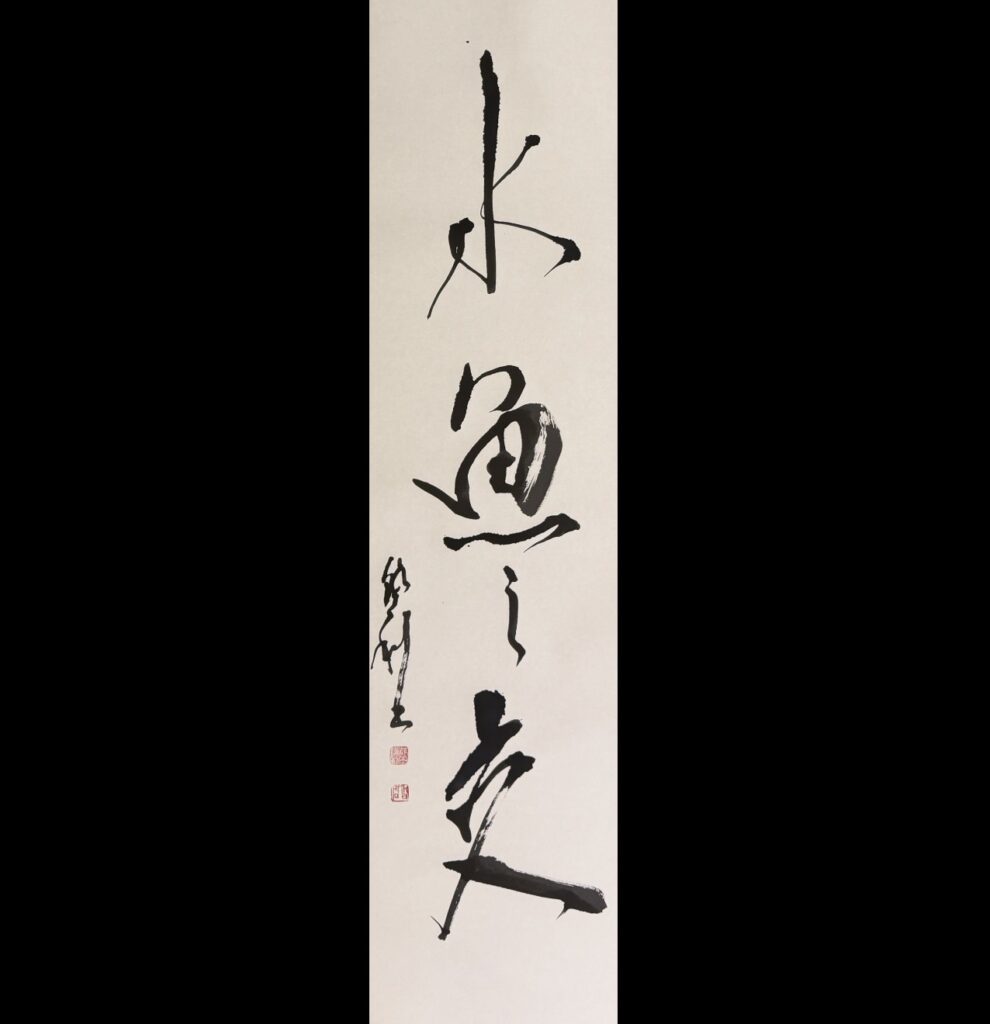
水魚之交 — “The Bond Between Fish and Water”
these words, which originate from the Records of the Three Kingdoms, in the Biography of Zhuge Liang.
They derive from the words of Liu Bei, describing his relationship with Zhuge Liang:
“Having Kongming by my side is like a fish having water.”
From this expression came the phrase 水魚之交, symbolizing an inseparable bond — a relationship in which each is deeply connected to and essential to the other.
Ambassador Sano chose these words to express his vision for the relationship between Angola and Japan: two nations connected by a close and mutually meaningful bond.
Angola, like Japan, is also blessed with abundant marine resources, with fresh fish such as grouper and sea bream found in its waters. This shared connection to the sea adds another layer of meaning to the words 水魚之交.
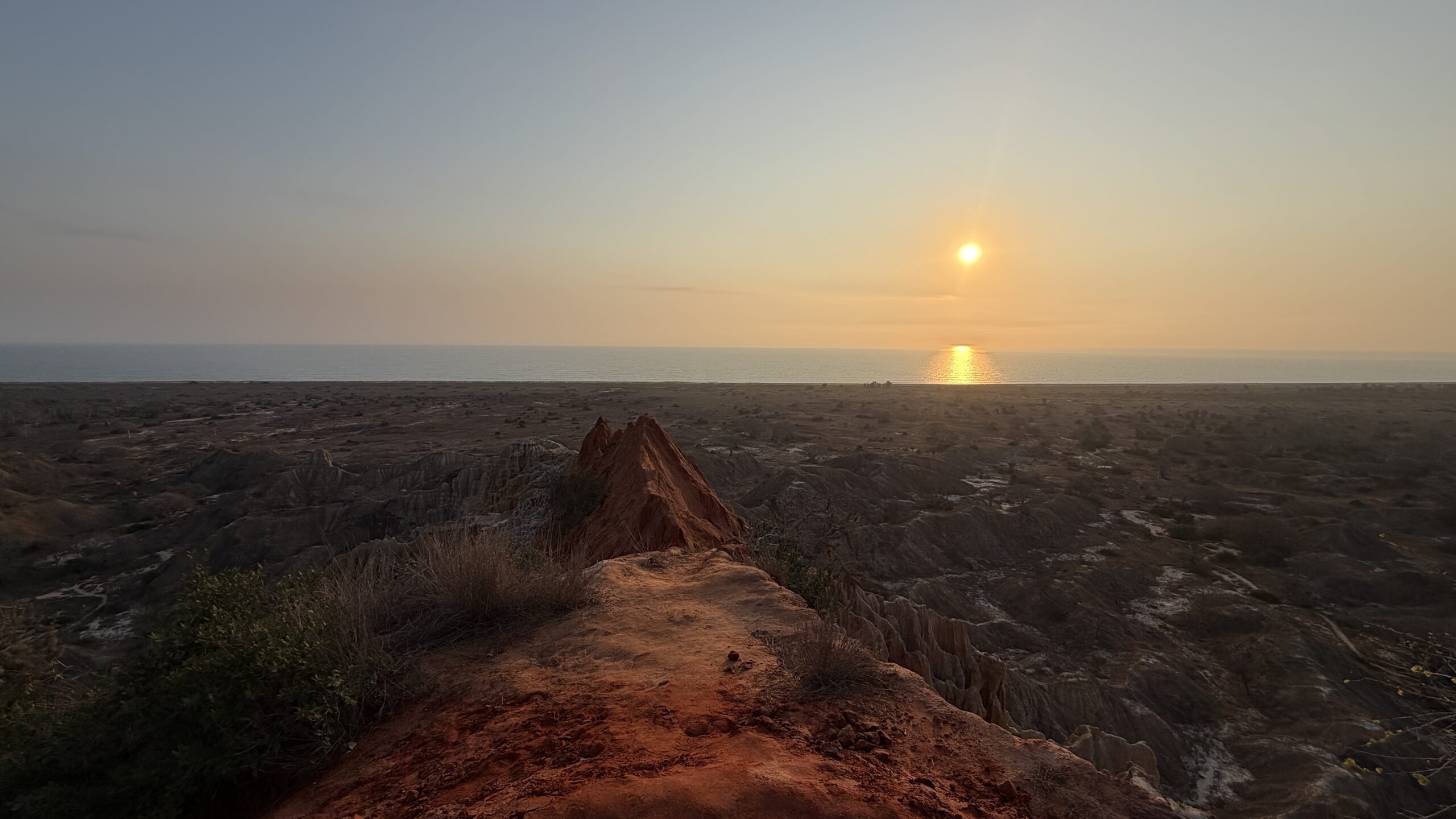
月の展望台
Angola — Luanda
Viewpoint of the Moon
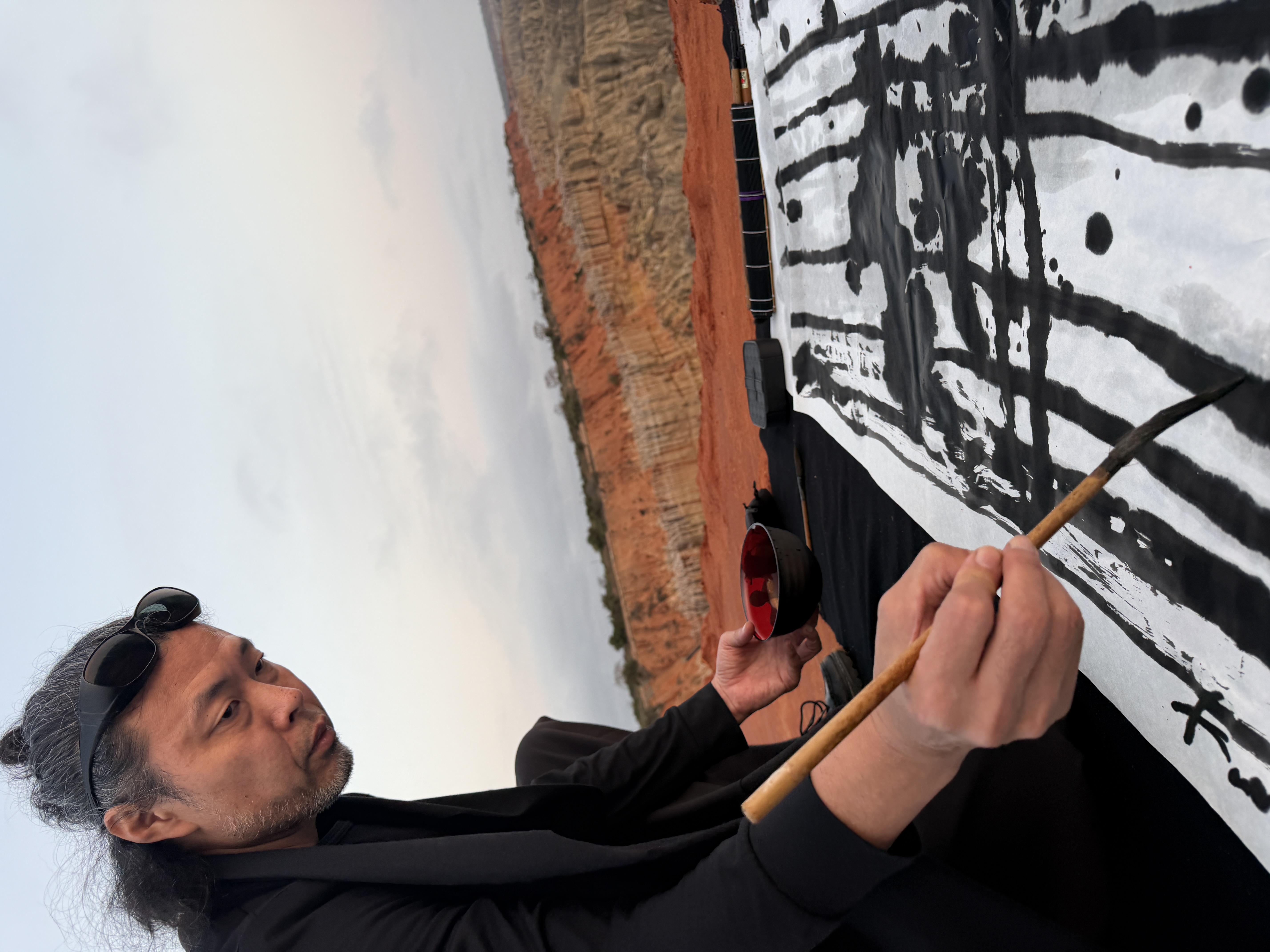
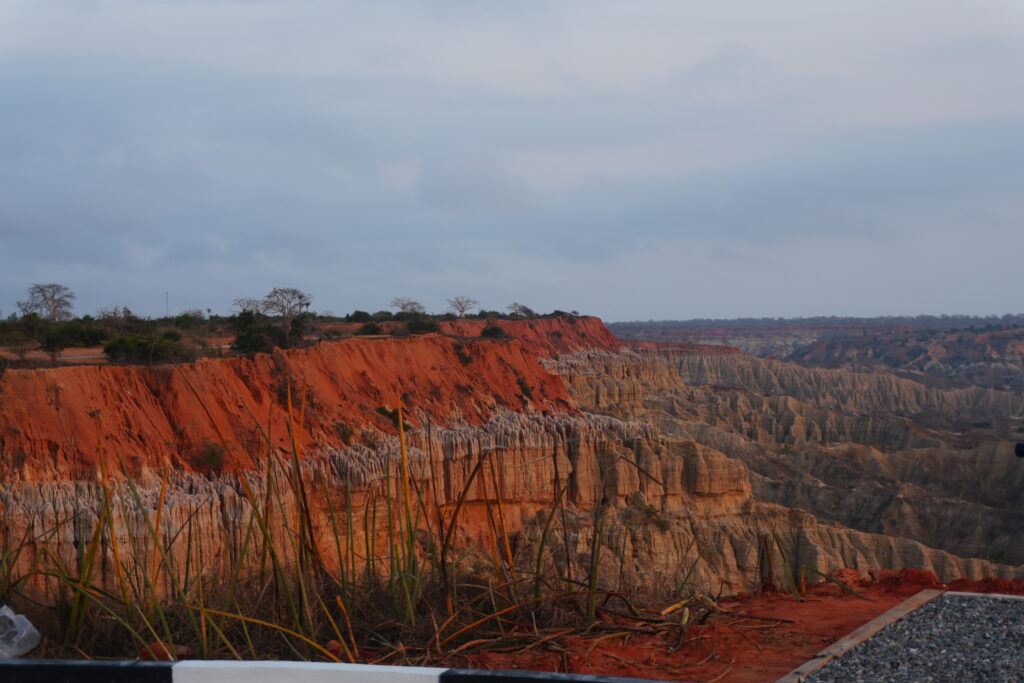
Known as the “Viewpoint of the Moon,” this place takes its name from its striking, moon-like landscape — a colorful terrain sculpted and eroded by water over countless years.
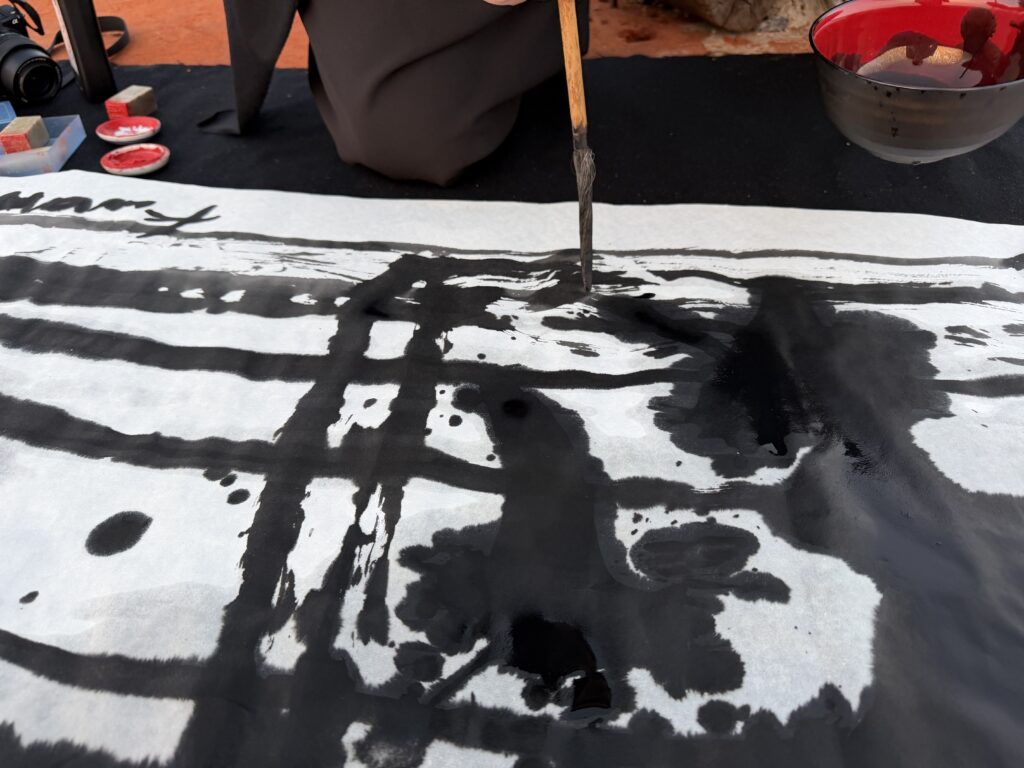
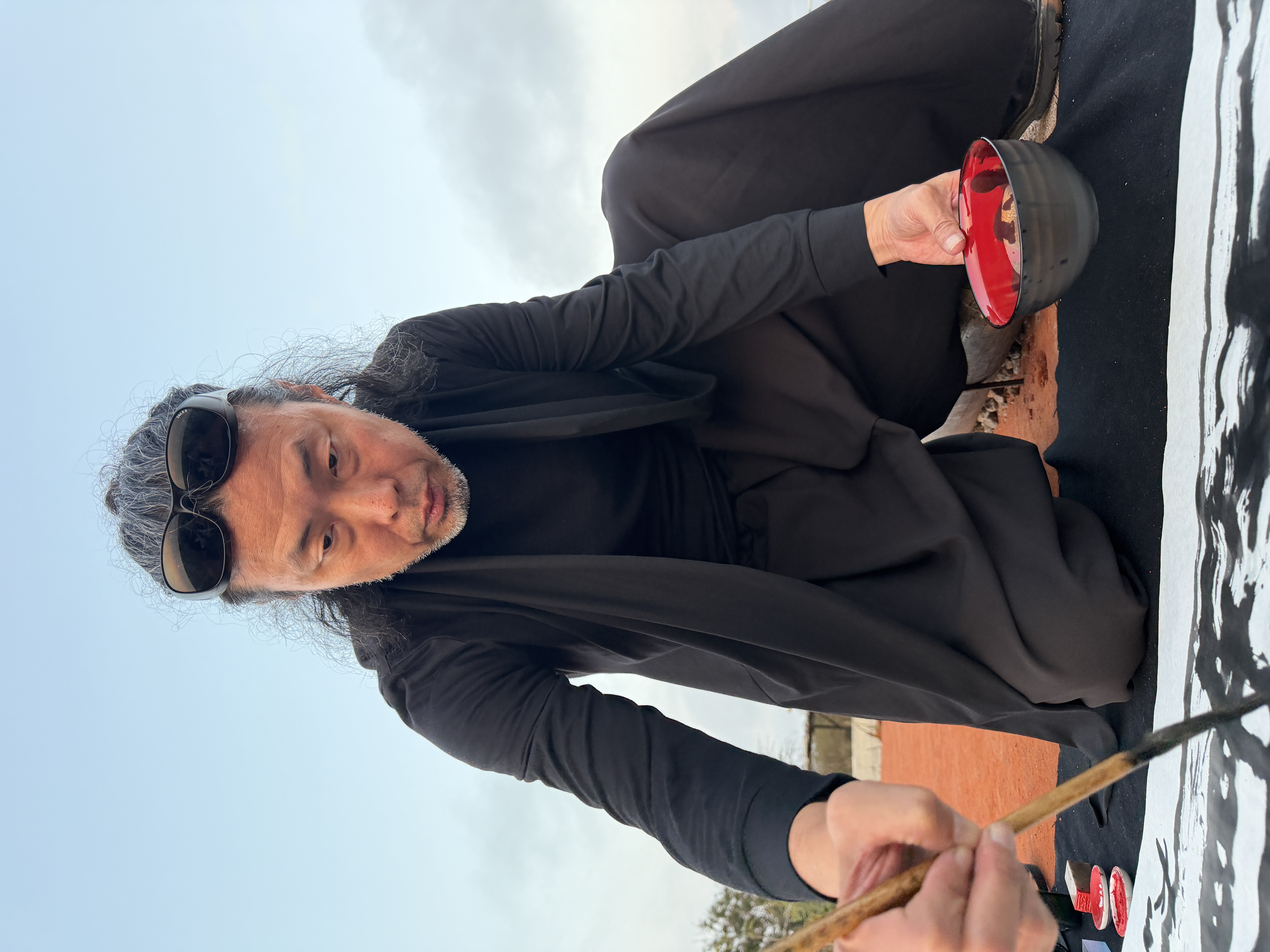
Here, surrounded by this extraordinary landscape, I created a work in calligraphy.
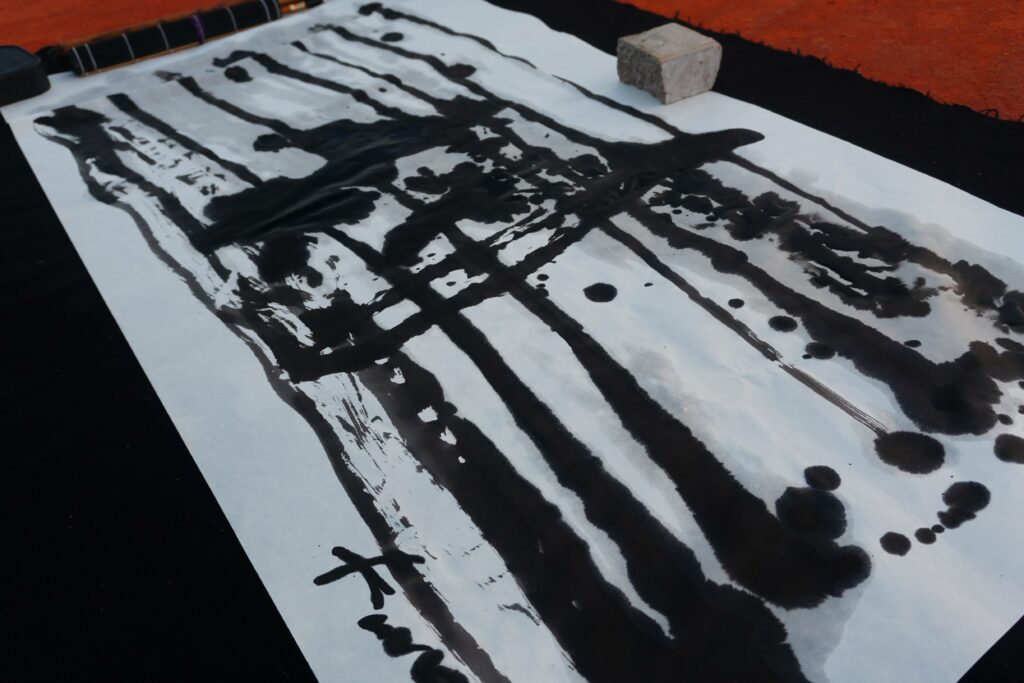
刻 — Kizamu
To carve. To engrave. To leave a mark.
The passage of countless years carved into the earth.
The memories of people.
And my own thoughts and intentions.
I carve them all into my work.
First, I drew lines with water, inspired by the traces that water itself has carved into the land.
Then, I layered ink over them, one layer upon another, like memories accumulating over time.
Finally, I wrote the character 刻, engraving this moment into my own memory as well.
The sunset sinking into the South Atlantic was breathtaking until the very last moment.
I simply couldn’t take my eyes off it.